
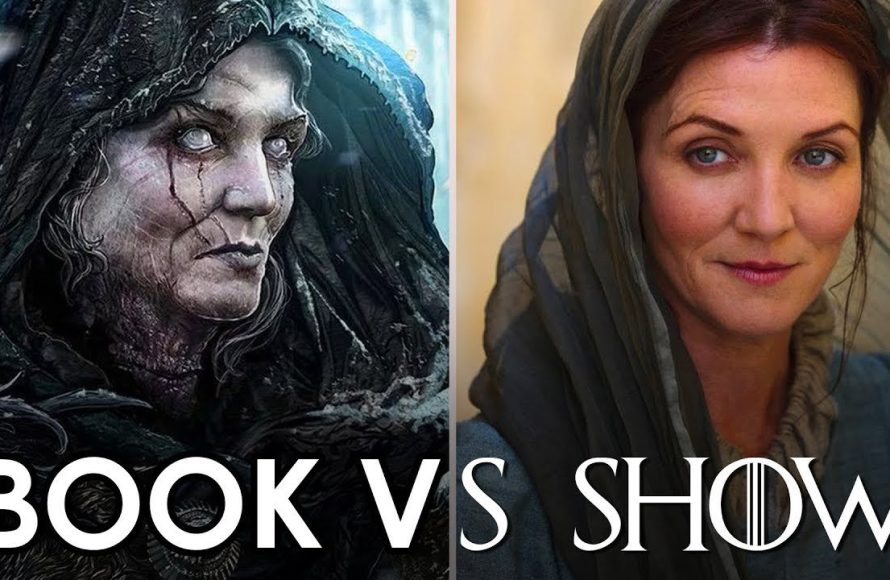
Yes, generally, most fans consider the Game of Thrones books superior to the show due to their greater depth, complexity, and faithfulness to the source material.
The debate rages on, doesn’t it? Are the Game of Thrones books better than the show? It’s a question that sparks heated discussions among fantasy enthusiasts worldwide. Many fans cite the nuanced characters and intricate plots found within the pages as reasons they favor the books.
The show, while visually spectacular, often deviated from George R.R. Martin’s original vision. This divergence, particularly in later seasons, left some viewers feeling disappointed with the adaptation. So, which medium truly captures the spirit of Westeros?

Are the Game of Thrones Books Better Than the Show?
The question of whether George R.R. Martin’s “A Song of Ice and Fire” book series is superior to the HBO adaptation, “Game of Thrones,” is a debate as fiery as dragon breath. Both are monumental achievements in storytelling, but they offer very different experiences. Let’s dive into the details and explore what makes each version unique.
Deeper Dive into the Story: Books vs. Show
One of the biggest differences lies in the sheer depth of the narratives. The books have a complex, interwoven plot with countless characters, each having their own detailed background, motivations, and perspectives. The show, while impressive, had to streamline many of these elements to fit the confines of a television series. Think of it like this: the show gives you the big picture, while the books let you examine every brushstroke in minute detail.
More Characters, More Perspectives
George R.R. Martin introduced us to a massive cast. The books have characters like Young Griff, Arianne Martell, and Victarion Greyjoy, who either get very limited screen time in the show or don’t appear at all. Each character offers another lens through which we understand the world of Westeros and how complicated and morally gray every action can be. The show, due to time and budget limitations, combined some characters and removed others, which changed the overall dynamic. It simplified the story in ways that some viewers enjoyed, but others felt robbed of depth.
Consider this table highlighting some characters that were completely cut or significantly changed in the show:
| Book Character | Show Equivalent/Changes |
|---|---|
| Young Griff | Absent from the show entirely. |
| Arianne Martell | Her role was substantially reduced and combined with Ellaria Sand. |
| Victarion Greyjoy | His plotline was combined with his brother, Euron Greyjoy, who was significantly different in character. |
| Lady Stoneheart | Absent from the show after Catelyn Stark’s death. |
The Power of Internal Monologue
A major advantage of the books is access to the internal thoughts and feelings of the characters. We get to see their inner struggles, their fears, and their complicated motivations. The show, relying on actors to convey this information, sometimes falls short or simplifies these nuanced emotions. This interiority is one reason that many readers feel a much deeper connection to the characters in the books, really knowing them from the inside out. When Tyrion has a witty thought, or when Arya is wrestling with her sense of justice, we are there right with them, feeling their doubts and frustrations.
The Pacing: A Marathon vs. A Sprint
The pacing of the books and the show is significantly different. The books take their time, creating a rich and complex tapestry. They delve into side plots, cultural details, and historical anecdotes, giving the world a sense of being lived-in. The show, for the sake of keeping the audience engaged, moves at a much faster pace. This means certain plotlines are rushed, details are missed, and the build-up to key moments isn’t always as powerful as in the books.
Slow Burn Development
The slow burn of the books allows for character development and relationship dynamics to unfold gradually and realistically. In the books, character relationships grow over chapters, and sometimes over several books. The show needed to condense these developments, leading to some jarring character shifts that felt less earned. Think about how relationships like Jaime and Brienne or Sansa and Littlefinger develop differently over time in both formats. This difference can alter how viewers perceive the character and their relationships.
Plot Divergences: Where the Roads Split
As the series progressed, the show began to deviate more and more from the source material. This is especially true after the fifth book, “A Dance with Dragons,” as the show ran out of published material. These deviations created some of the most heated debates between book purists and show fans. For instance, the way certain characters meet their end in the show differs from the books (or where their stories seem to be heading), and some major plot points are completely rearranged. These changes can feel like a major departure to readers who have their own mental picture of how the story will unfold.
Some of the biggest divergences include:
- The fate of Stannis Baratheon: In the show, he is defeated and killed in battle at Winterfell. In the books, Stannis is still very much alive (as of the last published book) and involved in a complicated siege.
- The role of Dorne: The show’s Dornish storyline was heavily criticized for its poor adaptation and simplification compared to the intricate political scheming and character details in the books.
- The character development of Euron Greyjoy: The show version of Euron is more cartoonishly evil, while the book version is a much more terrifying and nuanced villain.
- The handling of the final season and ending in general: This is the most controversial and well-known divergence, with many book fans being extremely dissatisfied with the show’s rushed and simplified finale.
The Magic System and Worldbuilding
George R.R. Martin’s books offer a more detailed and nuanced exploration of the magical aspects of the world. The magic in Westeros is mysterious and often feels dangerous and unpredictable. The books allow us to experience that more fully with more frequent accounts of the magic system, the religion and the legends. The show, while depicting some of the magic well, often glossed over the intricacies. For example, the powers of the greenseers, wargs, and the Children of the Forest, feel more developed and significant in the books compared to their show counterparts.
Mythology and Lore
The books delve more into the history of Westeros, exploring the legends of the Long Night, the rise of the Targaryens, and the nature of the Others. This deep worldbuilding adds another layer of enjoyment for the readers, helping us to understand the current political and social climate within the world. The show, while giving some glimpses into Westeros’ history, doesn’t give it quite the level of attention or detail as it is explored in the books. All of the little stories and histories that the characters tell adds much-needed background to the overarching plot.
A Matter of Perception: Visuals vs. Imagination
One of the joys of reading is imagining the world and the characters in our minds. The books give us a framework, and then our imaginations fill in the details, making it a deeply personal experience. The show, however, provides a specific visual representation, which for some, may feel more restrictive. Some viewers find it hard to separate their image of the characters from the actors in the show. Others prefer the consistency that visual depictions offer.
Emotional Impact and Character Investment
Many readers feel a much stronger emotional connection to the characters in the books, due to their depth and complexity. The interior monologues and extensive backstories allow us to become deeply invested in their journeys. While the show provides a visual connection to the characters through the actors’ performances, the books tend to foster a more emotional investment due to the time we spend understanding their thoughts and feelings. This is where the book format truly shines. This is perhaps why readers often become more attached to the characters within the books.
The Power of Language
George R.R. Martin is a master of descriptive language, using vivid metaphors and evocative prose to bring his world to life. The books allow us to experience this rich language firsthand, enhancing the reading experience. The show, being a visual medium, uses language in a different way, often relying on dialogue and action rather than internal narration. Readers can enjoy the descriptive language and can connect with the story differently than someone who is watching the show.
The Unpredictability
Both the books and the show are known for their unpredictability, but that feeling is still different between the two. In the books, major character deaths or plot twists feel more shocking because we’ve spent more time getting to know them. Because the show has less time, and is focused on the major characters, the unpredictable aspect can be a little less jarring. While both forms of the narrative offer their own level of suspense, the books allow the reader to become more deeply invested in those moments. The books can also add a lot more twists and turns that the show has simplified or removed altogether.
Ultimately, whether you prefer the books or the show is a matter of personal preference. Both offer unique experiences and both have brought George R.R. Martin’s rich world to a global audience. Some may value the depth and nuance of the books, while others prefer the action-packed storytelling and visual spectacle of the show. However, those who have spent time reading through the “A Song of Ice and Fire” series often find that the books provide an experience that is richer, more complex, and more satisfying in the long run.
The books offer a deeper dive into the world of Westeros with more characters, intricate storylines and the ability to explore each character’s inner thoughts, creating a rich and layered experience. The show provides a visually stunning and more accessible version of the story, while still captivating and entertaining. Each version has its own strengths and weaknesses, offering a different perspective to enjoy the epic saga.
Are the Game of Thrones BOOKS worth reading?
Final Thoughts
Ultimately, the books offer a richer, more detailed experience. The show, constrained by budget and time, necessarily cut elements. This leads to a less nuanced narrative.
Therefore, while the show provided a visual spectacle, the ‘are the game of thrones books better than the show’ debate often favors the source material. The books possess more intricate plots, character development and depth. For a true and complete experience, one must read the books.

