
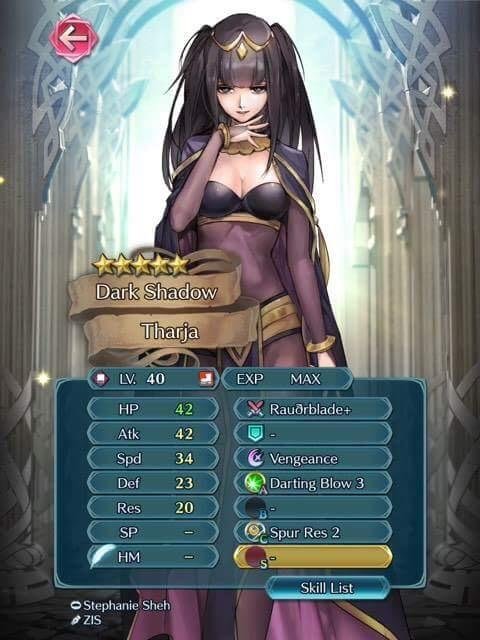
In games, HP stands for Hit Points, representing a character’s or entity’s health or life force.
Ever wondered about those numbers constantly fluctuating during gameplay? You often see a bar or a numerical value going up and down, it’s all related to health. What does HP mean in games? It is essentially the measure of how much damage a character can take before being defeated. This basic metric is incredibly important in various games.
Understanding HP is crucial to strategizing your next move. It guides how you interact with the game and your opponent. Knowing that your HP is low means you might need to seek cover or healing items.

What Does HP Mean in Games?
Have you ever been playing a video game and seen a number next to a little heart, a bar that’s going down, or maybe even a picture of a character looking really hurt? That number, or that bar, is probably showing you the character’s HP. But what does HP actually mean? It’s something that’s super important in almost all video games, and understanding it will help you play better and have more fun! Let’s dive in and learn all about HP.
HP: The Short and Sweet Explanation
Simply put, HP stands for Hit Points. Think of it like a character’s health or how much damage they can take before they’re in trouble. When you get hit by an enemy, a monster, or even fall off a cliff, you lose some of your HP. If your HP goes all the way down to zero (or sometimes even just gets very low!), your character might get knocked out, defeated, or even need a retry in the game. It’s your character’s measure of ‘how healthy’ they are. It’s a very crucial piece of information to always be aware of during game play. It’s one of the fundamental mechanics that keep games interesting and challenging.
How Hit Points Work
HP acts like an internal meter for your character. Most games use a numerical display that indicates the exact amount of hit points your character has left, like a health bar or number displayed on screen. Sometimes, HP is represented visually, such as by a heart icon (think the Legend of Zelda series) or a health bar that slowly depletes, showing the player how much “life” their character has left. Here’s the basic concept:
- Starting HP: At the beginning of a game, or when a level starts, characters typically have a set amount of HP, representing the character’s base health. The initial amount may vary between character and depend on the game, where tankier characters may have higher starting HP versus squishier ones.
- Taking Damage: When your character is attacked by enemies or faces dangers in the game, you lose some HP. The damage is deducted from your character’s current HP.
- HP Reaching Zero: If your HP drops to zero, your character is usually defeated, and may need a respawn or a retry, depending on the game rules.
- Healing: Sometimes, games let you recover your HP by using items, resting at specific spots, or through other game mechanics.
HP Bars
Many games represent HP with bars. Here’s how it works:
- Full Bar: When the bar is completely full, your character is at their maximum health or has full hit points.
- Depleting Bar: As your character takes damage, the bar gradually goes down, indicating the loss of hit points.
- Empty Bar: When the bar is completely empty, your character’s health has hit zero, and you usually face a consequence like needing to restart.
HP bars are great because they allow players to quickly and easily see how much health their character has and how much damage they are taking, without needing to pay attention to a number value.
Numerical HP Values
While some games display HP with a health bar, many games use numbers instead. A character might have 100/100 HP, meaning 100 current HP out of 100 maximum HP, or 50/75 HP, which means you’ve taken some damage, leaving 50 current HP out of 75 maximum HP. You see this type of representation often in Role Playing Games (RPGs), and it allows players to track their exact health and see when healing is essential. This format lets players understand the impact of damage with greater precision. You’ll often see this with buffs or debuffs that alter the current or max amount of a character’s HP.
Why Is HP Important?
HP is one of the most important game mechanics, and it has a key purpose in games, influencing game play in many ways.
- Difficulty: The amount of HP your character has, how much damage enemies do, and how easily you can restore HP directly affect the difficulty level of the game. The more HP and the less damage you take, the easier the game might seem, and vice-versa.
- Survival: Keeping track of your HP and keeping it above zero is crucial for surviving and progressing through the game. Every attack that lowers your character’s HP is a threat, and often there are key game events linked to avoiding death.
- Strategy: Managing your HP is essential to developing a strategy. You must consider how much damage you can take and where you can restore HP. Knowing how much HP you have allows you to plan your strategy carefully, such as using healing items, taking cover, or avoiding certain enemies.
- Resource Management: HP is a resource you must manage. Using healing items when you are running low, and knowing when to engage in a fight are key skills that come from understanding the importance of HP.
- Immersion: HP also adds to the immersion of a game. It provides a sense of risk and reward, making player choices more impactful. Knowing that making a mistake can hurt your character and cause you to lose HP adds to the stakes of the game.
Variations of HP in Games
While the basic idea of HP remains the same, different games tweak and refine it in unique ways. Here are some things to look for:
Maximum HP and Temporary HP
Your character usually has a maximum HP, which indicates the highest possible amount of hit points they can have. This is typically increased as your character levels up, or by equipping items. Sometimes you will get temporary HP. Temporary HP, often shown as an additional health bar or a bonus to your existing number, which is temporary and usually comes from game items, spells, or character abilities. For example, a shield could grant temporary HP which would disappear after taking damage or running out after a period of time.
Regenerating HP
In some games, HP slowly regenerates or recharges over time. This might be automatic or might require you to hide from danger for a little bit, or some other game condition. In these games, if you take a hit, you can regain HP while avoiding further damage. Regenerating HP allows you to take some risks and provides you with an option to heal passively.
Different Damage Types
Many games have various damage types, like fire, ice, poison, or physical attacks. Sometimes, certain enemies and characters might be vulnerable or resistant to different types of attacks, and that also may affect how much HP your character loses. For example, a fire type character will often take less damage from fire-type damage.
Armor and Resistance
You might find that some armor or items can reduce the amount of HP you lose when taking damage. Such equipment provides your character with more protection. Games may have resistance stats for various damage types, reducing the overall amount of damage dealt.
Status Effects
There are also effects like ‘poison’ and ‘burn’ in games, which can cause your character to continually lose HP over time. These damage-over-time effects can be very dangerous, and may require a special item or action to remove.
Healing Mechanics
Games offer different ways to regain HP, like using potions or magical spells, or by having a support character heal you. Some games have safe zones that automatically restore a character’s HP.
Examples of HP in Different Game Genres
Let’s see how HP appears in some different types of games:
Action Games
Action games often have fast-paced combat, where quick reflexes and knowing how much HP you have left are vital. HP might be represented by a health bar, or a number value, as you’re quickly trying to take down enemies. In these types of games, you might also have ways to quickly regain HP in combat through item usage or some sort of healing ability. In action games, it’s important to keep track of your HP in real-time as you quickly maneuver through dangerous situations.
Role-Playing Games (RPGs)
RPGs typically feature characters that gain experience to level up, increasing their maximum HP, and learning abilities. HP is often a numerical value. In RPGs, you usually take turns fighting with enemies, and knowing how to heal your character and avoid damage is a major focus. You often take time to manage your HP while exploring different environments in these types of games.
Platformers
In these types of games, a lot of damage can come from environmental dangers, like spikes and other obstacles. Your character may only have a few HP, so you need to be really careful to avoid taking damage. Often in platforming games, when your character takes damage, they will be knocked back, sometimes increasing the risk of you losing even more HP.
Puzzle Games
While not always present, many puzzle games will incorporate an HP system when combat is present. The HP is used as a measure of failure, where taking too many hits may cause you to fail the puzzle you are in.
Survival Games
Survival games often revolve around resource management and character health, and HP becomes a crucial aspect in these types of games. In these games, your character may take damage from combat with animals and other players, and also environmental dangers. Resource management and knowing when to take risks and when to rest is a key skill needed in these types of games.
Tips for Managing HP
Here are a few handy tips to help you with your in-game health:
- Pay Attention: Always keep an eye on your HP bar or number during gameplay.
- Use Cover: Whenever possible, use walls and objects in the game world to protect yourself from attacks.
- Heal Smart: Don’t wait until your HP is extremely low to use healing items or abilities.
- Avoid Damage: Try to avoid unnecessary risks, and dodge incoming attacks to conserve your HP.
- Plan Ahead: Think about where you are going to find healing before going into a fight.
Understanding HP is an essential aspect of mastering video games. It’s not just a number or a bar; it’s a crucial resource that you must monitor and protect. By understanding how HP works, you can improve your gameplay, and take calculated risks. With that knowledge, you’ll be able to make the most of your gaming time, and see why HP is such an important part of games!
HP in Video Games
Final Thoughts
In short, HP in games represents a character’s health or vitality. When a character takes damage, their HP decreases. If HP drops to zero, the character usually dies or is defeated.
Essentially, what does hp mean in games? It is the quantifiable measurement of how much damage a character can withstand before they are eliminated from the gameplay. HP management becomes critical for success in many different gaming genres.

