
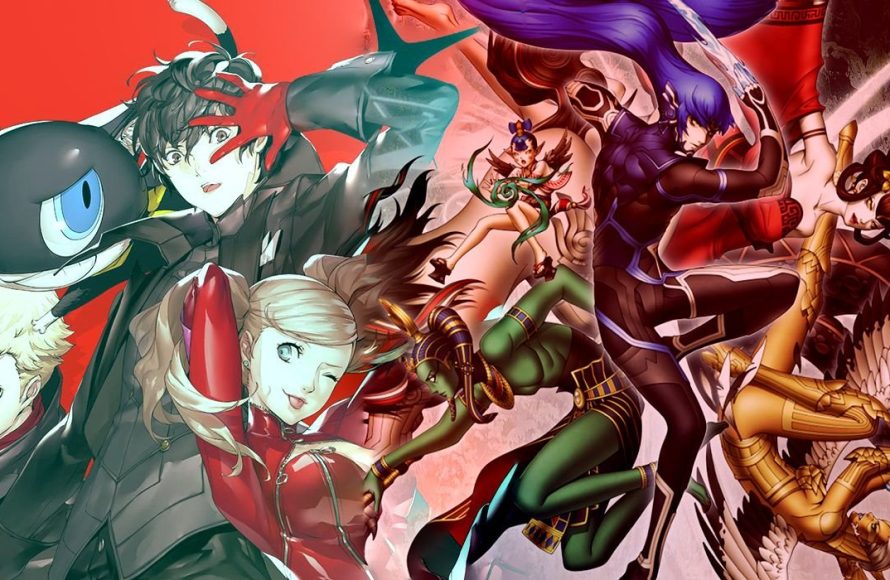
While not directly connected through a single, continuous narrative, the Shin Megami Tensei games share thematic and mechanical elements, along with recurring characters and concepts, making them spiritually, rather than directly, linked.
Ever wondered if the demons you fight in one Shin Megami Tensei title are related to the ones in another? Many fans ask, are the Shin Megami Tensei games connected. It’s a question that pops up often, given the series’ expansive nature across different platforms.
The truth is, it’s a bit more complicated than a simple ‘yes’ or ‘no’. While direct sequels exist, many games within the franchise exist as standalone experiences, despite recurring elements.

Are the Shin Megami Tensei Games Connected?
So, you’re diving into the world of Shin Megami Tensei (SMT), and you’re probably wondering: are all these games connected? It’s a fair question! The SMT series is big, with lots of different titles, spin-offs, and even different names. Sometimes it feels like they share characters or ideas, but the stories seem different. Let’s get into the nitty-gritty and figure out how these games are linked together (or not!). We’ll explore the core series, different spin-offs like Persona and Devil Survivor, and other bits that help to build the complete picture. Think of it as a fun investigation into this complex gaming world.
The Core Shin Megami Tensei Series: A Family Tree of Chaos?
The main Shin Megami Tensei games, usually numbered like “Shin Megami Tensei I”, “Shin Megami Tensei II”, and so on, often share a similar universe, but they’re not all part of one continuing story. Think of it like different branches of a family tree. They have common roots, but they grow in different directions. While some games are direct sequels to others, most can be enjoyed without needing to have played previous titles. So, what makes them feel connected even though they might not have the same characters or exact same storylines?
Shared Themes and Concepts: The Glue That Holds It All Together
Many things create a feeling of connection. One big part is the underlying ideas. The struggle between Law and Chaos, the role of humans and demons, and the idea of how choices can shape the world. These kinds of things are present throughout the main series, and even across spin-offs. These shared concepts create a web that connects all of these games, even if their characters and stories are different. For example, you’ll often see angels as representatives of Law and demons associated with Chaos. This gives each game a familiar feel even if the specifics of the plot are different.
- Law vs. Chaos: This is a core theme in nearly every SMT game. You’ll often make choices that nudge the world towards one or the other, or perhaps a neutral path.
- Demons as Allies: Instead of just fighting demons, you can often negotiate with them, and even make them your allies. These demons often show up in different games and they are a big part of the whole experience.
- The Power of Choice: In SMT games, your decisions really matter. They change the story, how characters react to you, and the ending of the game. It makes the games more than just simple adventures; it makes them stories of impact.
Direct Sequels vs. Parallel Worlds
Now, let’s talk about how the connections actually play out. Some games, like Shin Megami Tensei II which is a direct sequel to the first game, take place in the same world, with direct character and event connections. The events of the first game directly influence the second. But there are many other SMT games that have no direct connection in terms of characters and events. These games can be considered part of the same “multiverse” of SMT, exploring different variations of the shared themes and ideas, like alternative timelines. Each timeline explores the conflict between Law and Chaos differently. The first two games take place in Tokyo, Japan, while other games might be in different settings. The core feeling is there but the experiences are different.
The Spin-offs: Branching Out Into New Territories
Here’s where things get really interesting! The SMT series has a large number of spin-offs, like the very popular Persona and Devil Survivor series. These games borrow many of the same ideas and demons, but they often set their own course. So, are they connected to the main SMT series?
Persona: Social Links and Self-Discovery
The Persona series is probably the most popular spin-off, and it is very different from the mainline games. Instead of focusing on Law and Chaos on a large, world-altering scale, Persona focuses on the personal lives of high school students and their journeys of self-discovery. They also use Personas which are like “manifestations” of the inner selves of the characters. While the core gameplay, like demon negotiation and combat is from mainline SMT, the way it is used, and the story themes are completely different from the main titles. The Persona games are essentially in their own universe and they do not share the same continuity with mainline SMT games.
- Focus on Characters: Unlike the main series, which focuses on the larger battle between law and chaos, Persona puts a lot of attention on character relationships and personal growth.
- Social Links: Building connections with other characters is a key part of the Persona games. These relationships affect the character’s stats and the game story.
- Different Setting and Tone: The Persona games are set in modern-day Japanese towns or cities, with a focus on school life, friendships, and problems of growing up. This is different from the more apocalyptic settings of the main series.
Devil Survivor: Strategy and Time Pressure
The Devil Survivor series, on the other hand, mixes strategy RPG gameplay with SMT’s usual demon summoning. While it does borrow a lot of the demon designs, it takes place in separate universes with its own stories and characters. They may have similar elements, like demon negotiation, and the idea of the world changing based on the character’s actions, but they do not share the same continuity as either the core SMT or Persona games. The Devil Survivor games, like Persona, are set in modern Japan, but with a more apocalyptic feel. The games involve strategic battle gameplay and a real-time day and night system which adds to the feeling of the end of the world.
- Strategic Gameplay: Devil Survivor has a big focus on strategy, requiring players to carefully plan their moves on a grid-based battlefield.
- Real-Time Elements: The day/night system, and certain time-sensitive objectives add pressure to the game.
- Multiple Endings Based on Choices: Similar to the main SMT games, your choices matter in Devil Survivor. Your choices will determine the ending you will receive.
Other Spin-offs: A Diverse Universe
There are even more spin-offs of the SMT series, each with its own unique perspective and gameplay style. For example, the Devil Summoner series has a more detective-themed setting. Games such as Digital Devil Saga explore heavy themes with a unique battle and story system, using the idea of human characters who can turn into demons. Each of these different spin-off titles helps to create the large and diverse universe of the Shin Megami Tensei franchise. These spin-offs make the SMT franchise very interesting for gamers, and offer varied experiences while being connected to the main concepts of the series. Below are some of the other notable spin-off series:
- Devil Summoner Series: These games have a detective-like tone, often involving investigation and demon summoning in modern cities.
- Digital Devil Saga Series: These games focus on a more narrative-driven experience, with the main characters who can transform into demons.
- Strange Journey Series: This game is more similar to the core SMT experience, but with a focus on exploration.
The Shared Elements: A Deep Dive into SMT Connections
While the various Shin Megami Tensei games have their own stories, they are all connected by some common elements. These things create a sense of familiarity across the series, even when the stories are not the same. Let’s take a closer look at those elements.
Demon Designs: The Recurring Cast
One of the most obvious things that connect the SMT games is the demons themselves. Many classic demons appear in almost every SMT game and spin-off. Characters like Jack Frost, Pixie, and many others show up repeatedly. Seeing the same demons makes it feel like you are playing in the same world even if the characters and storyline are completely different. These demon designs are now iconic within the series, with each game putting its unique take on these old favourites.
Gameplay Systems: Negotiate, Fuse, Fight!
Beyond the shared demon designs, you can see shared game systems across the games. The core elements are the same: demon negotiation, demon fusion, and turn-based combat. You will have to talk with demons to convince them to join your team, and then fuse them to make new and stronger demons. These basic elements are the same across many titles, connecting the games beyond story lines and characters.
The Alignment System: Law, Chaos, and Neutrality
The most important idea present in many of these games is the alignment system. Many of the games have the player choose between the extremes of Law and Chaos, or a Neutral path. Law means having order and following the rules while Chaos is about being free and making your own decisions. Your choices and actions will shape how the game will end, based on which direction you decide to go. These alignments are not simply good or evil, it is about different ideologies. This theme runs through many of the SMT games, and its a vital part of the connection between them.
| Alignment | Description |
|---|---|
| Law | Focuses on order, rules, and a rigid structure. Often involves a world controlled by a higher power. |
| Chaos | Emphasizes freedom, individuality, and the absence of rigid rules. Sometimes it can lead to anarchy. |
| Neutral | A middle path, attempting to balance Law and Chaos, often focusing on human autonomy and balance in the world. |
The Multiverse Approach: Different Stories in a Shared Universe
So how do all these connections and differences come together? It seems like Atlus, the maker of these games, likes to use a multiverse approach. This means that the different SMT titles may take place in parallel worlds that share some basic ideas and demons, but have their own specific stories and settings. This way, you can enjoy all the games without having to worry too much about following a specific timeline. Think of it like how Marvel has different comic series happening in parallel universes, with similar characters and situations but unique timelines.
The multiverse idea allows the SMT series to be very flexible. The makers can create different stories in the SMT world, and still feel connected by core ideas and systems. It provides freedom to introduce new elements, while making the games feel familiar to long-term fans.
In the end, while there isn’t one single storyline that connects all Shin Megami Tensei games, there’s a deep web of shared themes, demons, gameplay systems, and a common “multiverse” setting. Each game offers a new story to experience, but each one also holds something familiar to longtime fans. Whether you are jumping into a mainline SMT, exploring the world of Persona, or trying your hand at the strategic battles of Devil Survivor, you will see the essence of what makes Shin Megami Tensei a very unique and captivating series.
Persona's Shared Universe Timeline (feat. @Macca) | A Line Through Time
Final Thoughts
Ultimately, the Shin Megami Tensei games are generally not directly connected in terms of narrative. Each title typically features a new setting, characters, and conflicts. However, some games share thematic elements, demons, and recurring concepts, making them feel part of a larger, loosely-connected multiverse.
These common threads create a feeling of interconnectedness. This makes the question of “are the shin megami tensei games connected” a complex one, with a yes and no answer depending on your interpretation. Each game offers a unique experience while retaining key series ideas. The main concept, however, remains consistent.

