
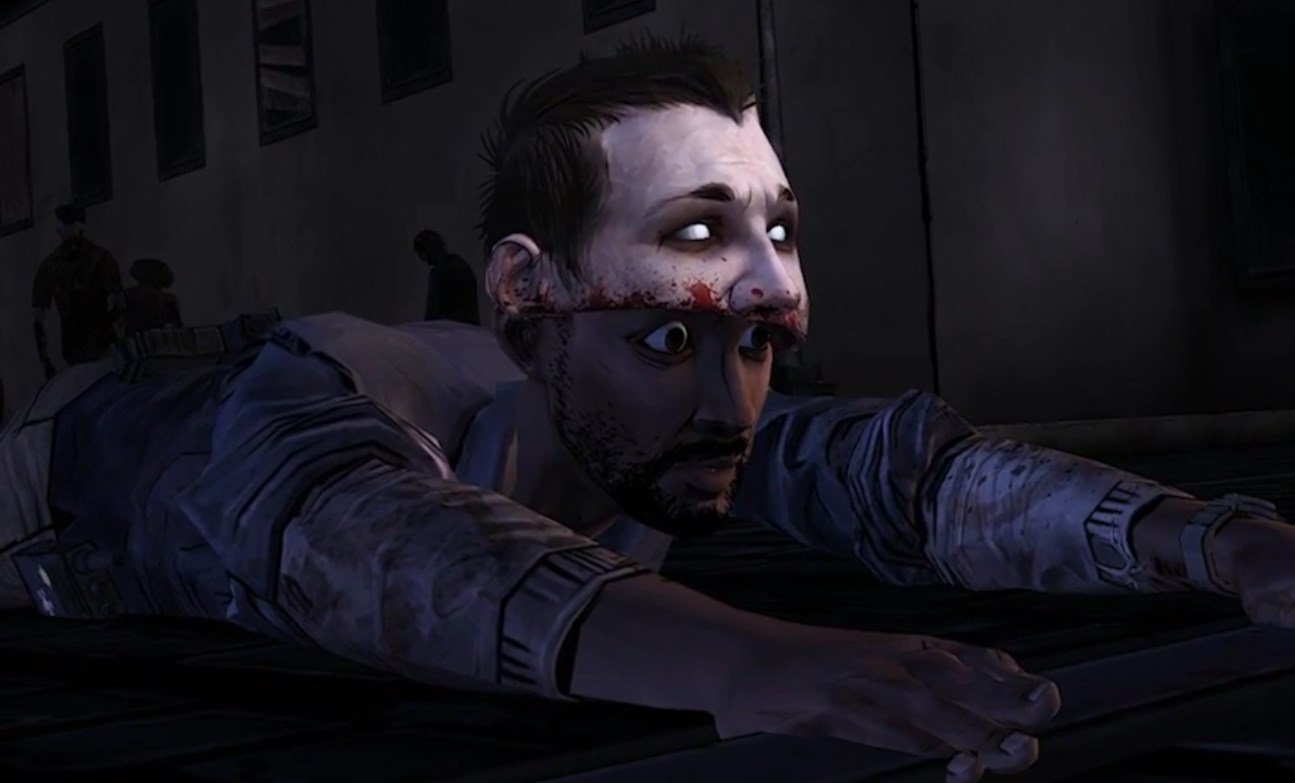
The Walking Dead Telltale games are considered canon within their own Telltale universe, but not in the main comic book or TV series canon.
The zombie apocalypse has gripped our imaginations across different media. We follow the survivors’ struggles in comics, on television, and through video games. But a question often surfaces: are The Walking Dead Telltale games canon? This topic sparks many discussions, especially since the games feature their unique characters and stories. Fans often wonder how they fit into the overall world of The Walking Dead.

Are The Walking Dead Telltale Games Canon?
The question of whether Telltale’s The Walking Dead games are canon within the larger The Walking Dead universe is a big one for fans. It’s like trying to fit puzzle pieces together, some of which seem like they might not quite belong. The short answer is: it’s complicated! There isn’t a single, easy answer that everyone agrees on. Let’s break down what ‘canon’ means and how the games fit (or don’t fit) with the comic books and the TV show.
Understanding Canon in The Walking Dead Universe
Before we dive into the specifics, let’s talk about what “canon” actually means. In simple terms, canon refers to the official storyline and events that are considered “real” within a fictional universe. Think of it like the official history book for a made-up world. In the case of The Walking Dead, we have the original comic books by Robert Kirkman, which are the foundation of the entire franchise. Then, there’s the popular TV show, which adapted some of the comic’s storylines but also made its own changes. Now, where do the Telltale games fit into all of this?
The Comic Book Canon: The Original Story
The comic books are the source material, and many consider them the most definitive version of The Walking Dead story. The comics present a certain set of characters, events, and rules for the zombie apocalypse. Everything that happens in the comics, without deviation, is definitely considered canon within the comic universe. The TV show, while it takes a lot of inspiration from the comics, makes significant changes to plot points and character arcs. For instance, some characters that die in the comics survive much longer in the show, and vice versa. This means the show has its own canon that’s separate, even if it shares a lot of the same DNA.
The TV Show Canon: A Different Path
The Walking Dead TV show has created its own timeline and set of stories over many seasons. While it started close to the comic’s events, it soon developed its own unique paths. Characters were introduced or developed differently, timelines shifted and several stories were added that do not appear in the comics. This difference establishes the TV show as a separate but related story, making it its own distinct entity within the Walking Dead universe. Therefore, what’s true in the TV show’s canon isn’t necessarily true in the comic’s canon, and vice versa. The relationship is more about inspiration than direct replication.
Telltale’s Games: A Story of Their Own
Now, let’s talk about the Telltale games. These games, while set in the Walking Dead world, don’t directly follow the comic book or the TV show timelines. Instead, they tell their own stories, often intersecting with events that are happening in those other canons, but from a different perspective. Think of them as a series of very powerful side stories that take place in the same universe. The games focus on new characters like Lee Everett and Clementine, giving you a different lens to experience the zombie apocalypse. This difference is important when considering canonicity. The characters you control in the games, their choices, and the outcomes are unique to the gaming experience.
Key Differences that Raise Canon Questions
Here are some of the reasons why there is often debate about the canonicity of the Telltale games:
- New Characters and Storylines: The focus on new characters like Lee, Clementine, and the various groups they encounter in the games create entirely new stories that don’t exist in the comics or the TV show.
- Player Choices and Consequences: In the Telltale games, the player’s decisions drastically change the story’s path. This means that there are multiple endings and plot variations, making it difficult to fit one concrete path into any linear canon.
- Occasional Timeline Conflicts: While the games are set in the same world, there are certain inconsistencies with the timelines established in the other Walking Dead media.
- Limited Character Overlaps: Characters from the comics or TV show are very rarely seen in a major role in the games. There are cameos by some familiar faces, but the game’s focus mostly is on creating an independent narrative.
The Role of Narrative and Interpretation
Ultimately, the concept of canon isn’t always black and white. It often comes down to interpretation and how fans choose to see the different pieces of the Walking Dead universe. Here’s a look at some arguments from both sides:
Arguments for the Games Being Canon
- Shared Universe: The games clearly exist in the same universe as the comics and the show. The same rules about walkers apply, and the overall world state is consistent.
- Complementary Stories: The games add richness and depth to the Walking Dead world by exploring different perspectives and stories, something that complements the narratives of the comic and tv show.
- Robert Kirkman’s Approval: Robert Kirkman, the creator of The Walking Dead, has expressed a positive view on the games, acknowledging that they are part of the overall universe.
- Expanding the World: The games introduce new locations and types of characters that weren’t explored in the comic or TV show. this expansion can be seen as a part of the universe, and not necessarily something that contradicts it.
Arguments Against the Games Being Canon
- Divergent Storylines: The significant differences in plot, player choices, and endings make it difficult to create one consistent storyline that can fit into the established timelines of the comics or the show.
- Inconsistencies: There are certain contradictions between the games and the other media regarding character locations, events, and timelines.
- Independent Story: The games are really a self-contained narrative that functions well on its own without needing to perfectly align with every detail of the comics or the show.
- Gameplay Focus: The games are primarily built as interactive stories, meaning that the focus is more on player experience and choices rather than adhering strictly to a pre-defined canon.
So, Are They Canon? The Final Verdict
The truth is, there isn’t a single, officially recognized answer to the question. Here’s a nuanced view that might help:
A Multi-Canon Approach
Many fans and even the creators of the Walking Dead franchise often describe each medium as having its own canon. This is a multi-canon approach which acknowledges that the different narratives exist in the same universe but have their own distinct storylines. This means that the comic books have their own canon, the TV show has its own canon, and the Telltale games have their own canon. They exist as related but separate entities. Therefore, the games don’t necessarily need to fit into the same storyline of the comic books or the TV show to be considered valid Walking Dead stories.
The Games as a “What If” Scenario
Another good way to think of the Telltale games is as a set of “what if” scenarios within the Walking Dead universe. They explore the world from new perspectives, showing the impact of the zombie apocalypse on different groups of people. These stories are just as valid and meaningful even if they don’t directly affect the storyline of the comic books or TV show. This perspective allows the players to enjoy the games without getting caught up in complicated canon debates.
The Importance of Enjoying the Story
Ultimately, the question of whether the games are canon should not detract from the experience of playing them. The Telltale games have given fans some of the most emotionally powerful and gripping moments in The Walking Dead universe. The story of Lee and Clementine, the heartbreaking choices, and the deep connections made are meaningful. Whether or not the games are considered “officially” canon, their place in the hearts of The Walking Dead fans is undeniable. The games add a different perspective to the entire story, allowing players to immerse themselves in the world in a way that is not possible with comics or a TV show.
The Telltale games provide a unique experience and offer fans another way to engage with the themes and characters they love. So, instead of worrying about the technicalities of canon, maybe it’s best to simply appreciate the games for the great storytelling that they are. Think of it like this, the Telltale games are their own beautiful story within the vast world of The Walking Dead, and that’s wonderful enough.
RANKING THE WALKING DEAD TELLTALE GAMES
Final Thoughts
The Telltale Walking Dead games’ canon status remains complicated. They are largely considered separate from the comic and TV show continuities. Some characters and events align, but major divergences exist.
Ultimately, ‘are the walking dead telltale games canon’ is a matter of interpretation. The games present their own contained narrative within the wider franchise. Players must decide if they fit their personal understanding of the Walking Dead world.

