
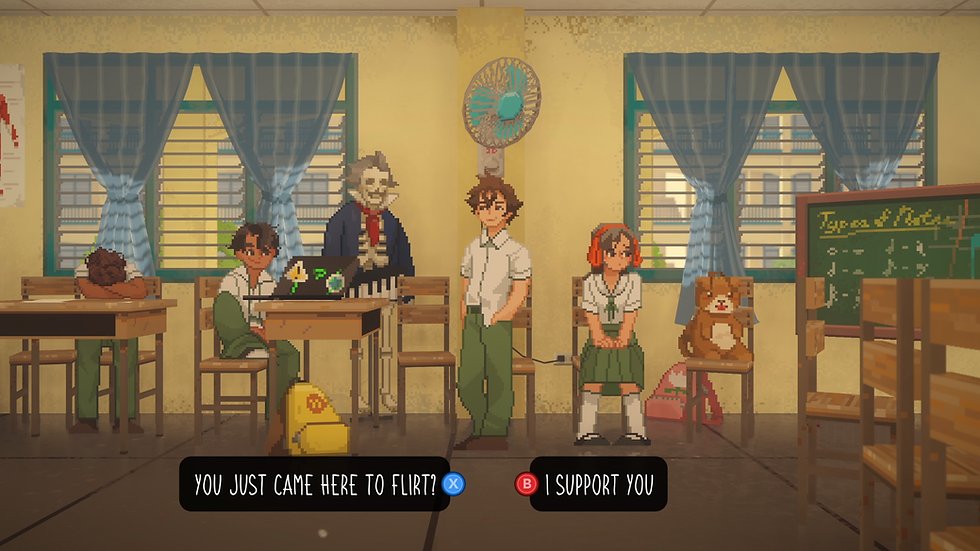
There are no inherently correct choices in Until Then; the game emphasizes player agency and the narrative adapts to decisions.
Have you ever wondered if there’s a ‘right’ way to play? Many players ask, are there any correct choices in Until Then game? It’s a fascinating question, and it speaks to the heart of player interaction in story-driven experiences.
This game avoids simple right or wrong pathways. Instead, Until Then focuses on how your decisions shape the story and impact the relationships you build. This means the game encourages exploration of different possibilities rather than pursuing a single optimal path.

Are There Any Correct Choices in Until Then Game?
Okay, let’s dive deep into the world of “Until Then” and tackle a big question: Are there actually right or wrong choices in this game? It’s a question many players ask as they navigate the emotional story. The simple answer? It’s complicated! There’s no single path that guarantees a “perfect” ending, and that’s part of what makes the game so special. It’s less about making the “correct” moves and more about experiencing the story and seeing how your decisions shape the journey of Mark and the people around him. But while we don’t have a strict checklist of right or wrong, we can explore how choices affect the narrative and the characters.
Understanding the Narrative’s Design
Before we get into specific choices, it’s important to understand how “Until Then” is designed. This isn’t a game where you win or lose in the traditional sense. Think of it more like an interactive story. The game is crafted to explore the themes of loss, memory, and connection. Your decisions act as threads that weave together the story, creating a unique tapestry for each player. It’s about the personal journey you create.
The Illusion of Right and Wrong
Many games present choices where it’s obvious which one is “good” and which one is “bad.” “Until Then” often blurs those lines. A choice that feels right in the moment might have unexpected consequences down the road. Similarly, what feels like a mistake might lead to a deeper understanding of a character or situation. The game often presents you with difficult decisions, not because it wants to trick you, but because real life doesn’t have easy answers.
The Impact of Player Agency
Player agency is the idea that your actions directly influence what happens in the game. In “Until Then,” your choices impact Mark’s relationships, his personal growth, and the events that unfold. This isn’t just about reaching a different ending. It’s also about experiencing the nuances of the relationships he has with the different characters in the story. Every conversation, every item you investigate, every decision can change the tone of the story and the connections between the characters. You are writing Mark’s story as you play.
Exploring Choice Categories
While we’re not talking about right or wrong, it helps to think about different categories of choices within the game. These categories highlight how your actions affect the world of “Until Then.”
Dialogue Choices
Conversations are a major part of “Until Then.” The way you interact with other characters shapes their perception of Mark and influences their relationships with him. These decisions also provide clues and context about past and current events. You might be polite and understanding, confrontational, or even hesitant. Each approach can lead to distinct reactions and story developments. For example:
- Being empathetic in conversations can help Mark forge deeper bonds with certain characters.
- Choosing to be dismissive might make those characters less likely to help him.
- Even silence can sometimes speak louder than words.
It’s all about how you decide to express Mark’s inner feelings to the world around him.
Investigation Choices
“Until Then” involves lots of exploration. You spend a lot of time looking at the environment, reading messages, and finding objects. The things you choose to investigate and the order in which you find them can uncover details that might not be obvious otherwise. You might find hidden objects that reveal important backstory or trigger new conversations. What you focus on shapes your perception of the mystery and impacts what you understand.
Action Choices
Sometimes, the game presents you with direct action choices. Will you go to this place or that place? Will you complete this task or that task? These choices may not always be dramatic, but they often open or close off certain paths. For instance, deciding to spend time with one character might mean missing an opportunity with another. These types of decisions create a branching storyline that is personal to you.
The Role of Character Relationships
A huge focus of “Until Then” is Mark’s relationships with the people around him. Your choices heavily influence those relationships, shaping whether they are strong, fragile, or broken. Let’s take a closer look at how your interactions play a role:
Building Bonds
Through your actions and conversation choices, you can create close connections. Choosing to be there for someone when they’re in need can create a really strong bond. Likewise, sharing personal feelings or being honest helps to build trust. The care and attention you show can have a really big impact on how those people view Mark and how they support him throughout the game.
Navigating Conflict
Not all relationships are smooth. Some choices will lead to arguments, disagreements, or even betrayals. How you handle these moments can determine if the relationship can be repaired or if it will be permanently damaged. It might mean admitting a mistake, defending your actions, or even giving someone space. These moments of conflict and tension are just as important to experience as the positive ones and help make the story more real.
Long-Term Consequences
The effects of relationship decisions often aren’t immediate. What you say or do in one scene might influence the character’s actions later in the story. A character you ignored at the start may become less helpful later, and someone you helped early on might return the favor down the line. This encourages you to think about how your choices may affect characters in ways you can’t even predict.
Exploring the Theme of Memory
Memory is at the heart of “Until Then”. Mark is struggling with his memories, and your decisions can influence how he sees his past, how he comes to accept it, or how he copes with it. Here’s how that’s presented:
Memory Reconstruction
As Mark tries to piece together his past, you will explore his memories. This isn’t just about recalling events, but also about how he interprets them. Your choices in exploring those memories and interactions can change Mark’s understanding of what happened, affecting him and his relationships. It also means that memories might change, just like in real life.
Dealing with Loss
The theme of loss is important in the game. Your decisions influence how Mark processes his feelings about loss, particularly in dealing with people from his past. Will he embrace the memories, or will he try to suppress them? How does he want to honor those who are no longer around? Your actions shape the tone of the narrative and his growth from the pain.
Shaping Mark’s Identity
Through the process of remembering and reflecting, Mark grows and changes. The decisions you make impact who he becomes by the end of the story. Is he someone who is held back by the past or is he someone who has found peace with it? The answers are based on the choices you make throughout the story.
The Importance of Multiple Playthroughs
Given that there’s no one “correct” path, playing “Until Then” more than once will allow you to explore different perspectives of Mark’s journey. Each time you play, your choices will lead to different scenarios, conversations, and conclusions. You get to experience the storyline in a new way and see how one choice leads down a totally different path. There are not any wrong or right choices, but there are many different pathways.
Discovering Different Outcomes
You might notice different character interactions each time you play. Some characters that were supportive in one playthrough might be distant in another. A simple change in dialog might reveal a whole new side of a character or event. This makes it worthwhile to revisit the game and see the story from all the angles possible.
Understanding the Nuances
Each play gives you new information and a different lens through which to view everything. This helps to uncover things that might be missed on the first playthrough. It’s a journey that grows in complexity the more you play it, and you’re discovering something new with each step.
Personalizing the Experience
Ultimately, your experience with “Until Then” is unique to you. The choices you make reflect your personality, your perspective, and how you connect with the story. This helps create a sense of engagement with Mark’s journey and its message.
Practical Examples of Choice Consequences
Let’s look at some examples that can illustrate how your decisions can affect the game. These are simplified examples to help explain the process and are not actual game spoilers.
Example 1: The Choice of Confession
Let’s say that you meet a character who is clearly upset, and Mark has the option of asking them what is going on or pretending that nothing is wrong. If you choose to confront them directly, the character might be grateful for the opportunity to talk and will feel more connected to Mark. However, they could also be defensive and refuse to talk at all, building a wall around Mark. On the other hand, ignoring the issue might prevent immediate conflict, but could create distance and a lack of trust in their relationship moving forward.
Example 2: The Choice of Exploration
Imagine that Mark is looking around a room. There is a specific item, such as an old letter, that you could read but there is also a window he can look out of to see what is going on outside. If you read the letter, you might get an important piece of information that helps Mark understand some key events from the past. However, looking outside the window might mean that Mark spots someone that he has to interact with, which leads to new conversations. How you prioritize these types of exploration choices will lead to unique experiences for the user.
Example 3: The Choice of Support
Suppose that Mark is trying to help a friend, but there are different ways of doing it. He can give them advice based on what Mark has experienced, or he can offer support while letting the friend make their own decisions. Giving advice might help the friend directly, but could also cause them to feel like they have to depend on Mark. Giving them support allows them to choose the right path on their own, but they may make mistakes that could hurt them later. These kinds of decisions show that there is no “correct” option but just different ways of approaching situations.
The Beauty of Ambiguity
Instead of a clear path to victory, “Until Then” offers a space for contemplation and introspection. The lack of right or wrong gives it a unique place in the world of video games. It forces you to think deeply about the consequences of your choices. The game is all about the unique journey of Mark, and the choices you make to create it.
The beauty of “Until Then” lies in the fact that it’s not about getting everything right, but about going through the journey and being involved with Mark. Your choices help to shape the story and create a personal and emotional journey through a world filled with memory, relationships, and loss.
HEARTBREAKING | "Until Then" (Full Game Playthrough)
Final Thoughts
The ‘Until Then’ game presents a narrative driven by choices. Players must navigate difficult situations. Every selection impacts the storyline and relationships. It’s vital to consider consequences.
Ultimately, the question remains: are there any correct choices in until then game? There aren’t definitive right or wrong paths. The game emphasizes personal experience, reflecting the complexities of life. The narrative’s strength lies in its subjective nature.

