
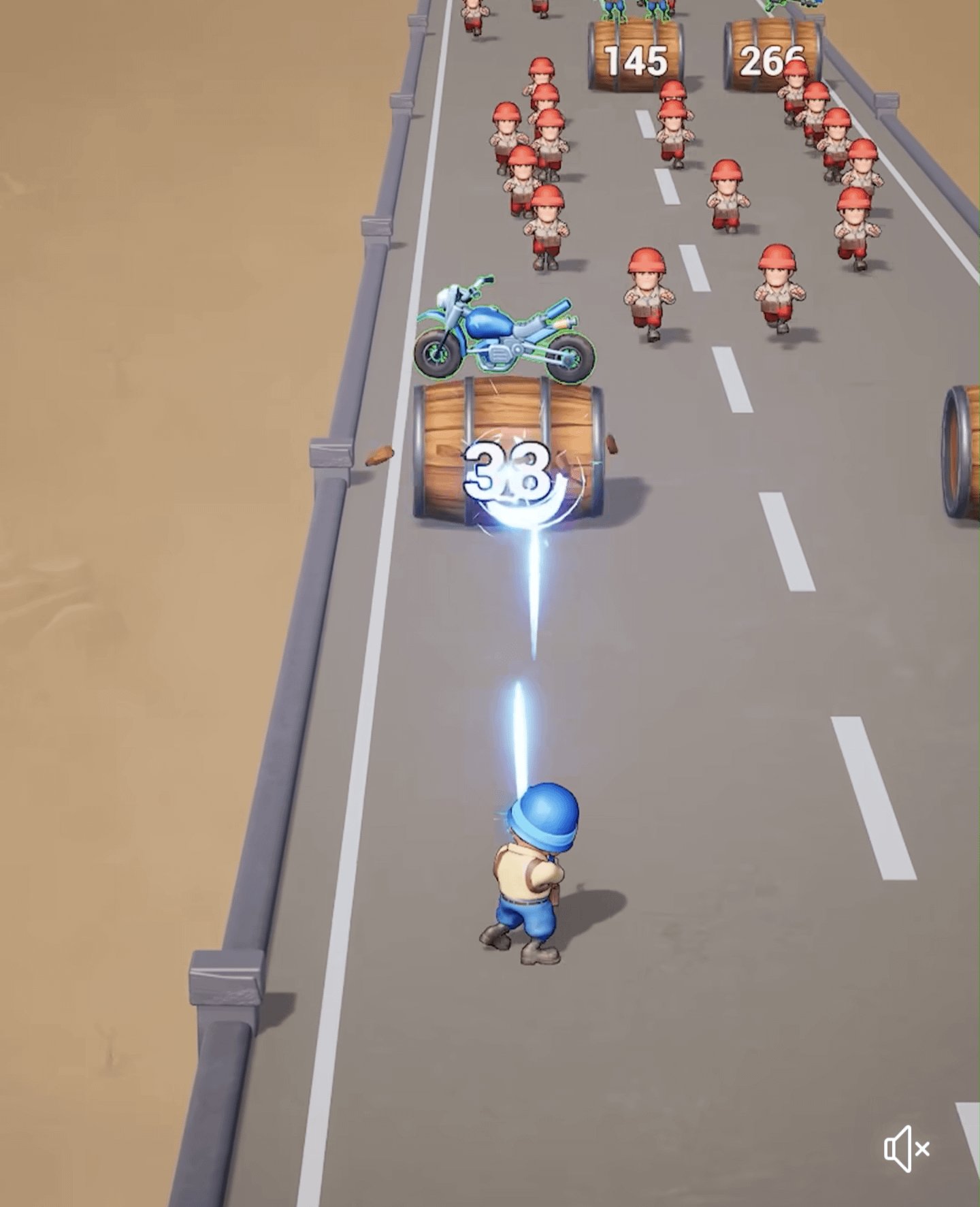
Yes, some mobile games do resemble their advertisements, but often the gameplay is simplified or features elements not shown in the ads.
Ever scrolled through your phone and thought, “Are there any games like the ads I keep seeing?” It’s a common question, because those flashy commercials can be so enticing. You might picture a complex puzzle, or a vast open world, but the reality is often very different.
Many ads show exaggerated gameplay or even features that don’t exist in the actual game. This makes it hard to know what you’re actually getting. So while there might be a hint of truth, it rarely matches the ad exactly.

Are There Any Games Like the Ads?
Ever seen those game ads, you know, the ones with the super-complex puzzles or the epic battles where one wrong move means game over? They look so cool, right? Like, ridiculously hard but also super fun at the same time. You might wonder if these games actually exist – if the real games are as exciting as what you see in the commercials. This is a very common question, and many gamers wonder, what is the actual real game behind these flashy ads.
The Great Disconnect: Reality vs. Advertisement
The short answer to “are there any games like the ads?” is often, “kind of, but not really.” Let’s face it, game ads are designed to grab your attention and make you download the game. This often leads to some creative liberties being taken. Think of it like a movie trailer; it shows the most exciting scenes and often uses special effects or camera tricks to amp up the drama. Game ads are similar. They often show parts of the game that aren’t the main focus or that have been embellished to make them seem more interesting.
Why the Differences?
There are several reasons for the differences between what you see in game ads and the actual gameplay.
- Clickbait Factor: The main goal of an ad is to get you to click and download. Over-the-top scenarios, impossible-looking puzzles, and ridiculously hard levels are designed to create a sense of challenge and intrigue. They want to make you think, “I can beat that!”
- Exaggerated Gameplay: Ads will often show the most interesting or visually impressive portions of a game. This might be a high-level boss fight or a very specific challenge. This creates the illusion that the entire game is like that, when often it’s not.
- Simplified Mechanics: Complex game mechanics are often simplified to appeal to a wider audience. A strategy game might show units clashing in a very basic way for the ad, but the actual game might have a lot more depth.
- Staged Scenarios: Some ads even show fabricated situations that don’t happen at all in the game. These scenarios are specifically made to look challenging or unusual.
- Use of pre-rendered footage: Some ads use video footage that is not part of the actual game. This footage might be a high-quality animation or a scene made using other software.
Types of Deceptive Ads and Their Corresponding Reality
Let’s break down some common types of ads and see how they measure up against the actual games.
The Puzzle Master Ads
You’ve seen these, right? The ones showing intricate puzzles where moving one block or pin in the wrong direction spells instant failure. These ads make it look like the game is a never-ending series of brain-teasing challenges.
- Ad Presentation: The ad often shows a single puzzle, often very difficult, with multiple ways to fail. It feels like the game is all about these kinds of logic problems.
- Game Reality: In the real game, the puzzles are usually much easier, or they aren’t the central focus at all. They might only pop up occasionally. The game may have much simpler puzzles or have a completely different type of gameplay.
The “I’m So Bad at This” Ads
These ads usually feature someone failing at the game, sometimes in comical ways, over and over. The point is to make you think, “I can do better than that!” and prompt you to download and try the game for yourself.
- Ad Presentation: These ads deliberately show someone making mistakes. This is so the viewers think they are more skilled than the person shown in the ads. This is done to create a sense of aspiration and challenge.
- Game Reality: The actual game might have some challenges, but it usually isn’t as consistently difficult as the ads portray. The focus might be on other aspects of the gameplay like grinding for materials or city building. These aspects won’t be shown in the ads.
The Epic Battle Ads
These ads show huge battles with lots of action, explosions, and special effects. It might feel like a real-time strategy game, but often, that’s not the case.
- Ad Presentation: These ads show units clashing in a very intense way, with special abilities and dramatic effects.
- Game Reality: In many cases, the real game is a turn-based strategy or idle game where you don’t directly control the action. The actual fighting might be automatic. The player only has to make basic strategy decisions, and does not take part in the battles in real time.
The “Building Empire” Ads
These ads often show the growth of a town or empire, often with a focus on building and managing resources. It makes it look like the gameplay has a lot of depth.
- Ad Presentation: These ads often highlight the city building aspect of the game, and the growth of the town over time.
- Game Reality: The actual game might be a much simpler, casual game with only basic resource management. The ads make the building aspect seem much more complex than it actually is.
Why Do Companies Do This?
So, why do game companies make these ads if the games aren’t always like what’s shown? The answer, in short, is marketing. Game ads need to stand out in a very crowded digital marketplace. Companies use any method available to make their game look better than the others. In other words, they are making a sales pitch.
- Grabbing Attention: Over-the-top ads are more likely to get noticed and make people curious.
- Playing on Desire: The ads tap into the player’s desire for challenge or accomplishment.
- Increase Downloads: All the methods above are used to achieve a higher rate of download and therefore more players in the game. More players equal more revenue in many games, especially mobile games.
How to Spot the Difference: Tips for Smart Downloading
So, how do you avoid downloading a game only to find it’s nothing like the ad? Here are some tips:
Look Beyond the Flash
Don’t just rely on the visuals of the ads. Pay attention to the gameplay snippets provided in the ad itself. Is it a single challenge you are seeing, or are you seeing a consistent display of what the actual gameplay looks like. Often the actual gameplay is not shown in the ads.
Read Reviews
Before you download any game, take a moment to check reviews on the app store. Look for common complaints and common positive things. Pay attention if they mention a big difference between what is shown in the ads and the actual game.
Check Gameplay Videos
Look on video sharing websites for gameplay videos. These will show you exactly what the game looks like and how it is played. Look for channels that have a focus on game reviews. These reviewers will often give an honest opinion of whether or not the game is like what is shown in the ads.
Try Before You Buy (If Possible)
If the game has a free trial or a demo version, always try it before spending money. This is especially good to do with any game that showed a flashy ad, as they are often the games that have very big differences between the ad and the real game.
Be Realistic
Understand that ads are primarily for marketing. They will show the game in the best light. Don’t expect that the entire game will have the same high level of detail and excitement that are often shown in the ads. Go in with an open mind and realistic expectations.
Examples of Games and Their Ads
Let’s look at some specific examples to illustrate the differences between ads and gameplay.
Example 1: The Puzzle Game
- Ad: An ad might show a complex pin-pulling puzzle, where one wrong move leads to instant doom.
- Game Reality: The actual game is a match-3 puzzle, with simple, repetitive gameplay. The pin-pulling puzzles might be available as a small side mode, but they are not the core gameplay.
Example 2: The Strategy Game
- Ad: The ad shows real-time battles between huge armies, with dramatic slow-motion effects and epic clashes.
- Game Reality: The game is an idle game, where battles are automatic. The player mainly manages resources and does not directly control units during combat. The epic battles of the ads are nowhere to be seen.
Example 3: The Building Game
- Ad: The ad shows a thriving city being built from scratch, with lots of choices about placements of buildings and upgrades.
- Game Reality: The game is very simple and mostly automated. The player just has to tap to upgrade things, with very little real building options. The city building from the ads is an illusion.
Finding Games That Match Your Tastes
Even though many ads exaggerate gameplay, there are still a lot of great games out there. Here’s how to find games that match your interests:
- Focus on Genres: Start by picking genres you enjoy. Do you like puzzles, action, strategy, or something else?
- Look for Developer Reputation: Check the developer of the game. Established developers are often more reliable.
- Watch Gameplay by Content Creators: Look for content creators who specialize in the type of games you like. They can show you real gameplay and give honest opinions.
- Use Online Game Communities: Join online forums and communities dedicated to gaming. Ask other players for recommendations of games they have played.
- Don’t Give Up: It might take some time, but you will eventually find games that match what you like.
Finding a game that matches your interests will take some time and effort, but it will be worth it in the end. Don’t let the flashy ads get you down. There are still plenty of awesome games to play.
In conclusion, while the ads for games can be very exciting and enticing, they often don’t accurately reflect the actual gameplay. Understanding why these differences exist and how to spot potentially misleading ads will help you avoid disappointment. Use reviews, gameplay videos, and your own instincts to find games you’ll truly enjoy. Don’t rely solely on the flashy marketing that you see in the ads.
I Turned Fake Mobile Game Ad into a Real Game
Final Thoughts
Ultimately, finding exact matches proves difficult. Many game ads showcase highly stylized or misleading scenarios. The core gameplay in the actual mobile app is often different.
So, are there any games like the ads? While some elements might be present, the ideal match rarely exists. Advertisements frequently use creative license. The gameplay experience tends to diverge significantly from the ads.

