
Yes, visual novels are games, as they offer player interaction and often include choices that impact the narrative and outcome.
So, you’re pondering, are visual novels games? It’s a valid question, considering they often prioritize storytelling over traditional gameplay mechanics. Many people find it a little different compared to action or strategy games and wonder if it truly fits within the “game” definition.
These narratives can be incredibly engaging, presenting players with branching storylines and diverse characters to interact with. The degree of choice and its impact vary, yet the player’s agency often shapes how the experience unfolds.

Are Visual Novels Games? A Deep Dive
The question of whether visual novels qualify as “games” is one that sparks much debate in the gaming community. It’s easy to see why. When you picture a video game, you might imagine jumping, shooting, solving puzzles, or exploring a vast world. Visual novels often ditch those elements entirely or minimize them, focusing more on narrative and character interactions. So, are visual novels actually games? Let’s explore the arguments and dive into what makes them unique.
Defining “Game”: What Makes a Game a Game?
Before we can decide if visual novels fit the “game” mold, we need to agree on what constitutes a game in the first place. This definition isn’t as clear-cut as you might think. Some people emphasize interactivity, while others focus on goals, challenges, and rules. Here are some key characteristics often associated with games:
- Interactivity: Games generally require input from the player. This can be anything from pressing buttons on a controller to clicking a mouse or even making a choice from a list.
- Rules: Games often have rules that dictate how you play. These rules establish boundaries, create objectives, and give structure.
- Goals: Most games present players with goals. These could be winning a match, completing a level, or unraveling a mystery.
- Challenge: Games typically present some level of challenge. It might be strategic thinking, hand-eye coordination, or problem-solving skills.
- Feedback: Games usually offer feedback to the player, letting them know whether they are succeeding or failing. This feedback can be visual, auditory, or tactile.
- Winning and Losing: Many games have a clear win and lose condition, though this is not always the case.
It’s important to remember that not every game needs to have all of these aspects to qualify as one. Different types of games emphasize different aspects. For example, a puzzle game might focus heavily on challenge and rules, while a simulation game may be more about exploration and experimentation.
Visual Novels: The Storytelling Powerhouse
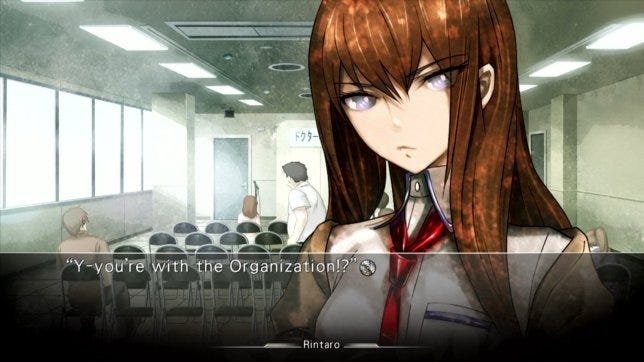
Visual novels, at their core, are interactive stories. They generally present a narrative through text, accompanied by images of characters and backgrounds. Think of them as a cross between a book and a video game. Here’s a breakdown of common elements:
- Text-Based Narrative: Most of the storytelling is conveyed through written dialogue and narration.
- Character Sprites: You often see images of characters, called sprites, who display different expressions to match their emotions.
- Background Art: The scenes are usually accompanied by detailed background images that set the stage.
- Choice-Driven Progression: The defining feature of many visual novels is the ability to make choices that impact the story and character relationships.
- Multiple Endings: Based on your choices, the narrative can branch out to different conclusions.
- Limited Animation: You might see occasional animations, like blinking eyes or characters moving slightly, but they are usually not very complex.
How Visual Novels Interact
While visual novels aren’t about fast-paced action, the player interacts in a meaningful way. The key interaction lies in the choices the player makes. These choices can dramatically alter the plot, influence character relationships, and lead to different endings. Choosing what to say or how to react is a form of gameplay, even if it isn’t the same as controlling a character’s movement or aiming a gun. The player actively participates in shaping the narrative.
Beyond the Text: Other Elements
Many visual novels include other elements that enhance the player experience:
- Sound Effects and Music: These elements set the mood and create an atmosphere that helps immerse you into the narrative.
- Voice Acting: Some visual novels have voice acting which adds emotional depth and makes the characters feel more real.
- Mini-Games: Occasionally, visual novels might incorporate small mini-games to break up the narrative and add some variety to gameplay.
- Collectibles and Extras: Some include collectibles, art galleries or extra story sections, adding an extra layer for completionist gamers to enjoy.
The Core Argument: Are Choices Enough?
The big debate centers on whether the interactivity of visual novels, primarily focused on choices, meets the criteria of a game. Some argue that it doesn’t. They see visual novels as glorified digital books with a few choice points, not interactive gameplay. They argue that pressing a button to proceed to the next line of text doesn’t count as interactivity; that’s just moving through the text. They think games need action, skill, or complex problem-solving to be called a game.
On the other hand, many argue that the very act of choosing and impacting the story does constitute gameplay. Your decisions influence the narrative’s direction, and achieving a specific outcome is like completing a goal. You are actively involved in directing the story and interacting with the world in a meaningful way. The experience is not passive reading; you play a role in the unfolding narrative. This position says, despite the lack of “traditional” action, it is a form of game because the player exerts their agency and the game presents them with choices and consequences.
Consider these points:
- Agency and Influence: The core element that sets a visual novel apart from a regular book is the feeling of agency you receive. Your choices matter, even if they don’t involve complex mechanics.
- Narrative Engagement: The focus on characters and storyline can be engaging and impactful, just in a different way than other kinds of games. The emotional depth and character development are what some gamers enjoy most.
- Strategy in Choice: Some visual novels require you to strategize based on your knowledge of character’s personalities or the world’s rules.
Visual Novels as a Genre, Not a “Sub-Game”
It’s helpful to think of visual novels not as a sub-genre of games, but as a distinct genre on par with action, strategy, and RPG games. They have their own specific style, mechanics, and focus. We wouldn’t expect a platformer to tell a deep story the way a visual novel does; the same should be true in reverse. Some people like action-packed games, while others love story driven experiences. Visual novels offer a specific type of experience that some gamers enjoy very much.
Visual Novels vs. Interactive Fiction
It’s common to compare visual novels to interactive fiction, also known as text adventures. Interactive fiction is similar in the way that it’s text based, but the primary mode of interaction is that players type out commands like, “go north” or “pick up sword.” The main difference is the presence of the visual component in visual novels. While both present stories, visual novels offer more visual information and less text based choices as a primary mode of interaction.
Examples and Diversity in Visual Novels
The visual novel genre is incredibly diverse. It’s important not to lump every visual novel into a single category. There’s a huge variety within the genre, and not every title follows the same formula. Here are some examples of how visual novels vary:
- Romance: Some visual novels focus heavily on romance, allowing players to date different characters, these are generally called dating sims.
- Mystery/Thriller: Others focus on suspenseful stories with plot twists and shocking reveals.
- Slice-of-Life: Some are grounded in everyday life, focusing on character development and relationships.
- Fantasy/Sci-Fi: Many visual novels are set in fantastical or futuristic worlds, with all sorts of strange creatures, magic, or new technology.
- Kinetic Novels: Some visual novels eliminate choices entirely, presenting a linear story where the player has minimal impact other than progressing through the text. Even these are sometimes considered visual novels by the community despite the lack of choice.
This diversity illustrates that visual novels are not simply “one thing.” They offer various experiences, and the gameplay can change significantly depending on the title.
How Different Visual Novels Approach Gameplay
Here is an example of a few differences among various titles, and how they may fit into the game/not a game discussion.
| Visual Novel Type | Gameplay Emphasis | Interactivity | “Game” Argument |
|---|---|---|---|
| Dating Sim | Romance, relationship building, character stats | Choosing how to interact with different characters to earn their affection and affection points. | Strong, relies on player agency to achieve their goal of romancing a character, or a certain ending. |
| Mystery/Thriller | Solving mysteries, making deductions, unravelling the plot | Choices that lead to different story paths, clues that are unveiled through interacting with characters and locations. | Strong, often requires logical thinking, choice of how to investigate clues, and the player is rewarded for correctly deducing the conclusion, |
| Slice-of-Life | Character development, social simulation, interpersonal relationships | Choice of how to respond to interpersonal situations, relationship building choices. | Moderate, less emphasis on win/lose conditions, but the choices the player makes do impact the overall narrative and how the plot progresses. |
| Kinetic Novels | Experiencing the narrative, enjoying the art and story, immersion. | Minimal, usually only to progress through the story and the occasional mini game, if there is one. | Weak, little agency from the player, but still an experience with narrative structure, character sprites, and a visual experience. |
The Importance of Perspective
Ultimately, whether or not you classify visual novels as “games” often comes down to personal perspective. There isn’t necessarily a right or wrong answer. If your idea of a game requires action and challenges, you may not see visual novels as games. But if you believe that interactivity, choice, and goal-oriented narratives qualify a game, then visual novels absolutely fit. It is important to have an open mind when trying a visual novel; you may find that you like the slow, character focused narratives.
The most important thing is to appreciate visual novels for what they are: a unique and compelling way to tell a story. They are a different form of interactive entertainment that prioritizes narrative and character development over fast-paced gameplay and complex skill mechanics. Just because something is different, doesn’t mean that it has less value, or isn’t a form of a game.
Many gamers enjoy visual novels for their engaging stories, memorable characters, and thought-provoking themes. Others find them boring or tedious. This is fine; different types of experiences appeal to different types of players. What one player considers fun, another might find monotonous. The visual novel genre serves a space in the gaming market, and has fans who enjoy these specific types of games.
Instead of asking if visual novels are “games”, perhaps we should appreciate that they exist as a unique type of digital experience, offering a compelling alternative to the action-packed or competitive games in the market. The way they use choice to tell stories, make players feel like they have a tangible impact on the world, and the ability to tell compelling, emotional narratives makes them special and enjoyable to many gamers.
Ultimately, the definition of a “game” is up to each individual to determine. Whatever your opinion, the visual novel will continue to be a valid form of entertainment for many years to come.
The Guide You Need for Buying Visual Novels
Final Thoughts
Ultimately, the debate on whether visual novels are games boils down to how we define games. They offer interactive storytelling with choices affecting the narrative. Many consider the interactive component, even with minimal gameplay, qualifies them as such.
The core question, “are visual novels games?”, persists. Some view them as interactive books, others as games due to user input and progression. They occupy a unique space blurring genre lines.

