
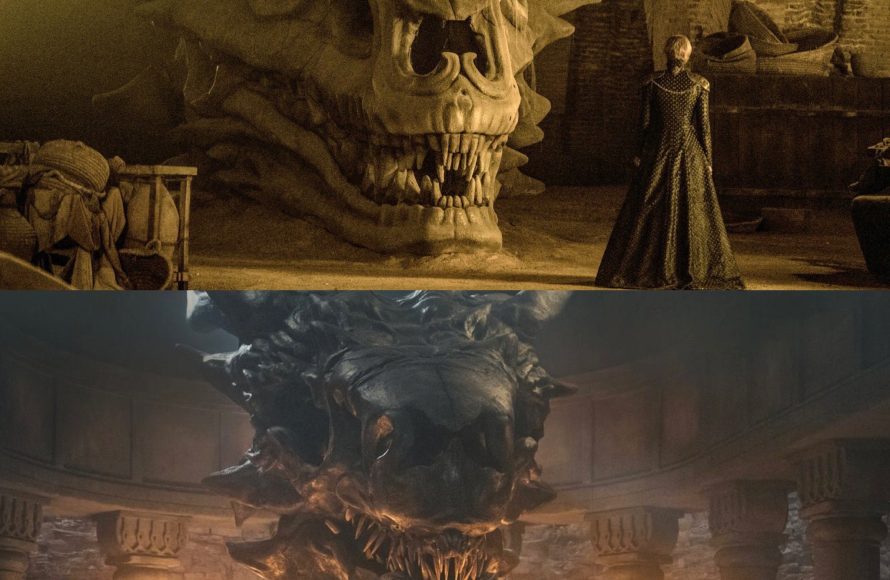
The dragon skull in Game of Thrones is Balerion the Black Dread’s skull, housed in the Red Keep.
The imposing, skeletal remains of a monstrous creature captivate many viewers of Game of Thrones. You might find yourself wondering what dragon skull is in Game of Thrones, specifically the one displayed in the Red Keep. That massive skull is not just any dragon; it belonged to Balerion the Black Dread, the largest and most fearsome dragon to ever fly over Westeros.
His skull serves as a stark reminder of the Targaryen dynasty’s power and their connection to the dragons, now relics of a bygone era.

What Dragon Skull is in Game of Thrones?
Let’s dive right into the fascinating world of Westeros and explore the spooky, impressive dragon skulls we see in Game of Thrones. You probably remember seeing these giant bony remains, especially in the dungeons of the Red Keep, where they’re hard to miss! But which dragon belonged to which skull, and what’s the story behind them? It’s more interesting than you might think! We’re going to go on an adventure to learn all about the dragon skulls in the show, why they’re there, and what they represent.
The Dragon Skulls of the Red Keep
The most prominent place we see dragon skulls in Game of Thrones is within the Red Keep, the royal castle of King’s Landing. The Targaryens, who once ruled Westeros with their dragons, kept the skulls of their fallen fire-breathers as a reminder of their power. It was a bit like having trophies, but instead of winning them in a sports game, they were the remains of giant creatures. These skulls weren’t just for show; they represented the Targaryen dynasty’s might and the fear they could inspire. But which dragons are these skulls actually from?
Balerion the Black Dread’s Skull
The biggest and most famous skull in the Red Keep belongs to Balerion, also called the Black Dread. He was a colossal dragon, the largest ever ridden by a Targaryen. Think of a bus, then make it fly and breathe fire – that was Balerion! He was ridden by Aegon the Conqueror, who used him to unite the Seven Kingdoms under the Targaryen rule. Balerion was so powerful that his fire could melt stone and steel. His skull, even after all these years, is massive, and seeing it in the show makes us really understand the size of the dragons from the past. It’s said that Balerion’s skull was so large that a whole group of people could walk around inside of it. This gives you an idea how truly HUGE he was.
The Story of Balerion
Balerion was a unique dragon in many ways. He was actually born before the Targaryens even came to Westeros. He was one of the dragons that traveled with them from Valyria. This makes his skull a historical marker of the beginning of the Targaryen rule. He was around during the time of Aegon’s Conquest, so that means he must have participated in a lot of battles. Imagine the damage that he caused while he was alive. Even his skull tells a story of fire, power, and the start of a dynasty.
Other Dragon Skulls in the Red Keep
Besides Balerion’s, there are other dragon skulls in the Red Keep’s dungeons. While they are not named specifically on the show, they each belong to a dragon that lived during the Targaryen reign in Westeros. The skulls serve as symbols of the Targaryens’ dominance, which came with a price. Having the remains of these powerful creatures in the castle showed everyone that the Targaryens had the power of dragons on their side. Although, that power wasn’t infinite.
The Symbolism of the Skulls
Power and Domination: The skulls represent the unmatched power the Targaryens held.
History and Legacy: They are physical reminders of the Targaryen’s past victories and rule over Westeros.
Warning: They also silently warn against crossing the Targaryens.
Faded Glory: The skulls, now just bones, also show how time can weaken even the strongest of powers.
These skulls aren’t just decorations; they’re storytellers. They tell of a time when dragons ruled the skies, and the Targaryens ruled the land.
Dragon Skulls Beyond the Red Keep
While the Red Keep holds the most prominent collection of dragon skulls, there might be other instances of dragon remains mentioned or alluded to in the wider Game of Thrones universe. They might not be as visible or emphasized as those in King’s Landing, but they contribute to the overall lore of the series. The fact that dragon bones are scarce outside of royal collections shows how hard it was to actually come across them during the series timeline.
Dragon Bones and Other Remains
We know that dragon bones can sometimes be found in the wild. These remains are often seen as something magical or powerful. The people in Westeros usually don’t forget that dragons were real and very powerful, even when they’ve been gone for a while. The bones themselves can sometimes even be used to create unique materials or in strange rituals, which makes them even more mysterious. The finding of dragon bones serves as a stark reminder that these magnificent creatures did exist and have left a lasting legacy on the world.
The Importance of Dragon Remains
Why are these dragon remains so important to the story?
Evidence of Dragons: The bones confirm the existence of dragons, which some people began to doubt during the long time they were absent from the world.
Power and Magic: Dragon remains are often linked to ancient magic, making them objects of both fascination and fear.
Storytelling: They help flesh out the history of Westeros, showing how dragons once dominated the world.
Symbolism of Decline: The fact that they are now just remains also shows that the dragons’ power can be lost.
How the Skulls are Represented in the Show
The way the dragon skulls are shown in Game of Thrones adds to their impact. The filmmakers went to great lengths to make them look realistic and imposing. They weren’t just some plaster props; they were created to show the power and the history behind them. They are usually placed in dark dungeons, with candles casting spooky shadows on their massive forms. This gives them an eerie and almost ghost-like presence, reminding viewers of the long-gone era of dragon fire.
Visual Impact
The skulls’ size is the first thing that stands out. They take up a lot of space on the screen, and that helps give us a real understanding of how big dragons were. Their bone structure, massive jaws, and sharp teeth are all very detailed, making them appear intimidating and very real. The lighting in the dungeon adds to the creepiness. All these things combined made these dragon skulls very memorable for audiences. It really showed how the show producers were able to make the world so alive and detailed.
Sound Design
The way the sound is used during scenes with dragon skulls is also very important. Often, the only sounds are the echoing drips of water and the rustle of air in the dark. This silence makes these scenes more intense and highlights the historical presence that the skulls represent. This use of sound helps to make the skulls feel more like real things and not just decorations in a set. When you add it to the visual impact, you really understand how these skulls are crucial in the story.
The Meaning Behind the Dragon Skulls
Beyond the historical and visual impact, the dragon skulls in Game of Thrones have a deeper symbolic meaning. They represent a time when magic and power were more prominent in the world. They also tell the story of how that power faded. They also tell of change and how everything in the world is temporary.
Decline of the Targaryens
The presence of the skulls in the Red Keep dungeons speaks to the slow decay of the Targaryen’s power. Once feared and respected, the Targaryens eventually become rulers of an empire that is falling apart. These skeletons are a stark reminder of a bygone era of fire and dominance that’s no longer there. They almost function as a memorial of a great dynasty that had its time.
A Reminder of Mortality
The skulls aren’t just about the Targaryens’ decline; they also show how everything comes to an end. Dragons, who were once the most powerful beings in Westeros, are reduced to nothing but bones. This shows how even the most mighty creatures can be defeated by time and change. This gives us a look at how powerful forces and empires can fall, and it is important to learn from these stories.
The Connection to Daenerys
The dragon skulls become more significant in the later seasons when Daenerys Targaryen enters the scene with her own dragons. Her presence, as someone carrying the Targaryen bloodline and having dragons, makes these ancient skulls even more significant. It shows the power of her heritage and how she can rebuild it. Her dragons represent a new era of power, almost bringing the bones in the dungeons back to life in a way.
How the Dragon Skulls Add to the Story
The dragon skulls aren’t just background elements; they actively contribute to the story of Game of Thrones. They’re a part of the world-building, showing how the history of Westeros is still affecting current events. They serve as a constant reminder of the old world and how it interacts with the new. This provides viewers with context and makes the show so much more in-depth.
World Building
The dragon skulls show how the world is full of history. They’re a part of the architecture and provide context about the past rulers and their power. It really gives us context and understanding of the history of Westeros, which is so important to the overall story. It makes it more than just a TV show; it makes it into a story that feels real and ancient.
Foreshadowing
The skulls often act as foreshadowing elements. They show that things will change and that the return of dragons is a big deal. These skulls remind us that dragons were once a big part of Westeros, and they may be again. These visual cues help to prepare audiences for the changes that happen later in the show. The dragons that Daenerys has are connected to these past creatures, which is why the skulls are important.
Creating a Sense of Wonder and Dread
The combination of historical significance, visual impact, and symbolism makes the dragon skulls important to the overall mood of the show. They give us a sense of wonder at what was once, but also a feeling of fear. They create this atmosphere that is so important for Game of Thrones. They make you feel as though magic is present but also that it can be destructive if not taken care of properly.
The dragon skulls in Game of Thrones are much more than just decorations. They’re historical markers, symbols of power, and reminders of mortality. They show the rise and fall of the Targaryens, the power of dragons, and the effect of time on even the most mighty creatures. From the gigantic skull of Balerion to the unnamed remains in the Red Keep dungeons, they each tell a story that is essential to the fabric of the show. By exploring these dragon skulls, we gain a deeper understanding of the world of Westeros and the complex history that shapes the characters and events. They add layers of meaning to the narrative and serve as a visual representation of the show’s larger themes. The dragon skulls are very well-known within the Game of Thrones series and it would not be the same without them. These dragon skulls will continue to inspire fans and give context to what it was once like when dragons roamed the land. The use of these skulls also helped the show reach its high popularity because of the amazing production team who made these skulls a staple.
Pay no attention to the massive dragon skull #shorts
Final Thoughts
Balerion’s massive skull rests within the Red Keep’s dungeons. It is a stark reminder of the Targaryen dynasty’s power. The skull represents the raw might of dragons. This bone signifies a past era.
What dragon skull is in Game of Thrones? It is the massive remains of Balerion the Black Dread. This skull serves as a grim memento.

