
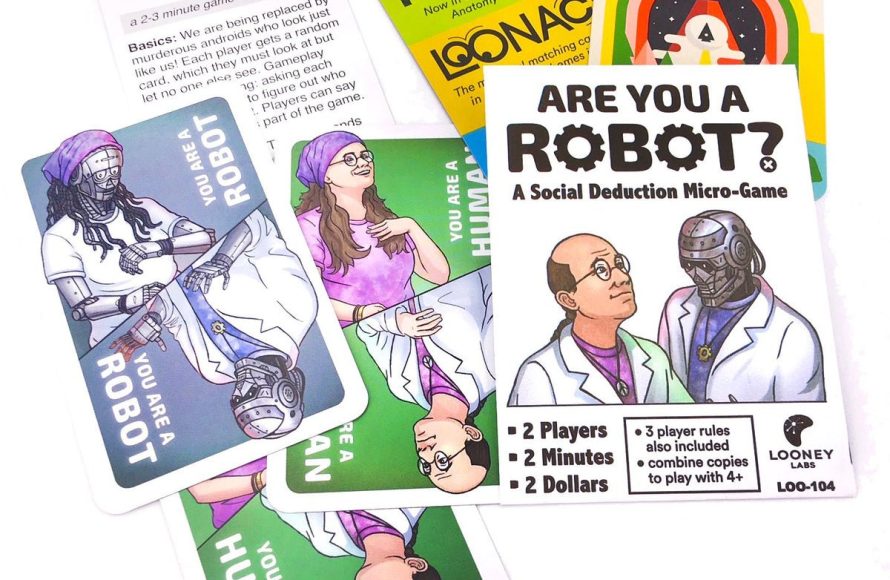
The ‘are you a robot game’ typically uses challenges like identifying distorted images or solving simple puzzles to verify human status.
Ever stumbled upon a quirky little test online asking you to prove you’re not a machine? That’s the “are you a robot game” in action, a common hurdle we face daily. These tests appear everywhere, from signing up for accounts to leaving comments.
This method helps websites differentiate real people from automated scripts. They use various tactics, from CAPTCHAs to reCAPTCHAs. These quick interactions serve as crucial security measures.

Are You a Robot Game: Exploring the World of CAPTCHAs
Have you ever visited a website and been asked to click on pictures of buses or type in a squiggly set of letters and numbers? That’s not just a random online quiz; it’s likely a “are you a robot game,” also known as a CAPTCHA. CAPTCHAs are super important tools on the internet. They act like a digital bouncer, helping websites tell the difference between a real human and an automated program, often called a bot. Let’s dive deep into this interesting world and understand why these tests exist and how they work.
Why Do We Need “Are You a Robot” Games?
The internet is a huge place with lots of activity, and not all of it is from humans. Bots, which are computer programs that can do things automatically, can sometimes cause trouble. They might try to:
- Spam websites with unwanted messages or comments.
- Create fake accounts for harmful purposes.
- Try to guess passwords to hack into accounts.
- Rapidly scrape data, potentially slowing down the server or extracting valuable information.
- Purchase products in bulk quickly, depriving other buyers.
That’s where the “are you a robot game” comes in. These tests are designed to be easy for humans to understand and solve, but difficult for bots to figure out. By making bots struggle, CAPTCHAs help keep the internet safer and more user-friendly for everyone. They’re a form of security, keeping those pesky bots away.
How CAPTCHAs Work
CAPTCHAs rely on the fact that humans are better than machines at certain tasks, especially when it comes to perception and common sense. Over the years, different types of tests have been developed. Let’s look at some common ones:
Text-Based CAPTCHAs
These are some of the earliest forms of CAPTCHAs. They often display letters or numbers that are distorted, skewed, or have added lines. A human can usually still read the text, but bots that rely on simple image recognition struggle.
How they work:
- They present a sequence of characters that are warped.
- They might overlap characters.
- They use unusual fonts or color schemes.
Challenges for bots:
- Distorted text makes it hard for image recognition.
- The use of unexpected fonts throws off algorithms.
Although they were quite popular, text-based CAPTCHAs sometimes frustrate human users as they can be hard to decipher, too.
Image-Based CAPTCHAs
Image-based CAPTCHAs are a more visual way of testing if you are a human. They typically show you a collection of pictures and ask you to identify images related to a specific category. For example, you might have to choose all the pictures that show cars, traffic lights, or crosswalks. These tests leverage our amazing visual recognition skills.
How they work:
- They show a grid of pictures.
- They instruct you to choose images of specific objects.
- They sometimes ask you to select images with a specific item multiple times, sometimes rotating the images to make it difficult for computer vision.
Challenges for bots:
- Image recognition by computers is improving but still has issues with context and unusual angles.
- It can be hard for computers to identify the object, particularly when the images are slightly blurred or taken from awkward angles.
Audio CAPTCHAs
Audio CAPTCHAs are essential for people who have visual impairments or difficulties reading text. These present a sequence of numbers or letters spoken aloud. The sound is usually distorted with background noise or voice modulations, which bots find hard to interpret but humans with their hearing can recognize.
How they work:
- They play a sound containing numbers, letters, or short words.
- The audio is often distorted with background noises or echoes to make it harder for computer programs.
Challenges for bots:
- It is hard for bots to understand distorted or complex sounds.
- Voice recognition might struggle with artificial noises and other disturbances.
“No CAPTCHA reCAPTCHA”
Google introduced “No CAPTCHA reCAPTCHA,” which has become quite popular, especially with the “I’m not a robot” checkbox. This appears simple, but it’s more complex than it looks. This type of CAPTCHA works by analyzing your behavior on the website. Your mouse movement, typing speed, and how long you linger on a page can all be clues. If your behavior seems human-like, you are likely to be able to proceed. If the behavior seems bot-like, a more complex CAPTCHA might be presented.
How they work:
- It analyzes user behavior patterns.
- It provides a checkbox, often with just a simple “I’m not a robot” text, that requires you to click on it.
- If the analysis is ambiguous, it presents a traditional challenge like image selection.
Challenges for bots:
- Bots have difficulty simulating authentic human movement patterns.
- They can be tracked using cookies and other web technologies.
Behavioral CAPTCHAs
These newer CAPTCHAs focus on how you behave rather than what you can identify. For example, you might be asked to solve a simple puzzle or follow instructions to manipulate objects on the screen. This requires a degree of interaction that is more difficult for bots to simulate.
How they work:
- They ask you to perform a simple task.
- Examples are drawing a shape, dragging objects, or solving a mini-puzzle.
Challenges for bots:
- Bots struggle to understand the task in the context of a puzzle or a behavioral interaction.
- They can not interact with the interface in a genuine human-like manner.
Are CAPTCHAs Always Effective?
While CAPTCHAs are helpful tools, they’re not perfect. Bots are constantly evolving, and their developers try to find ways around these challenges. Here are some common workarounds that bots use to try and bypass these tests:
- OCR (Optical Character Recognition): Advanced bots use OCR to decipher text-based CAPTCHAs. This is like teaching a computer to “read” text images.
- Crowdsourcing: Some bots send CAPTCHA images to real humans to solve for them, like a digital sweatshop, then return the answer to the bot.
- Machine Learning: Bots can use machine learning to try and identify patterns in image-based CAPTCHAs, enabling them to choose the correct images with greater accuracy over time.
- Bypassing entirely: Some bots are designed to target websites without CAPTCHAs or use weaknesses in how the CAPTCHAs are applied.
Due to these reasons, CAPTCHA systems need constant improvement and evolve to make them more reliable. Website operators have to think of smarter methods to protect their websites, and CAPTCHAs remain one of the most useful tools to combat automated attacks.
The Future of “Are You a Robot” Games
The “are you a robot” game is not going anywhere soon. As technology advances, so will CAPTCHAs and the methods bots use to get around them. There’s a constant cat-and-mouse game between the security systems and the bot creators.
Future CAPTCHAs might utilize even more advanced approaches:
- Behavioral Analysis: Focusing on more sophisticated analysis of your interaction, such as the speed and accuracy of your mouse movements or even subtle patterns in your typing.
- Biometric authentication: Using fingerprints or face recognition to verify that a real person is behind the interaction.
- AI-Powered Challenges: Developing smarter and more personalized tests that can adapt to the user.
- Contextual CAPTCHAs: Integrating the test with the action you’re performing on a website to add another level of difficulty for bots.
The evolution of these challenges will likely continue, with more focus on the user’s experience as well. The goal is to keep the web secure and safe, while at the same time making sure that real users have an easier time. The ultimate aim is for the ‘are you a robot game’ to be invisible to humans, but still effective at blocking bots.
Ultimately, CAPTCHAs play a big part in keeping the internet a safer and more usable place. They will continue to evolve as the battle between security measures and bot developers continues, and the technology will likely keep getting better and smarter. So the next time you are asked to click on the picture of a bus, or identify a distorted number, remember that you are part of a system that helps protect the online world.
Jason's Board Game Diagnostics of Are You a Robot?
Final Thoughts
Ultimately, the ‘are you a robot game’ tests our ability to distinguish human behavior from automated responses. It’s a simple concept with surprisingly complex implications. We navigate these digital challenges daily.
This constant interaction with these checks shapes how we engage with technology. The future will likely bring even more sophisticated tests.

