
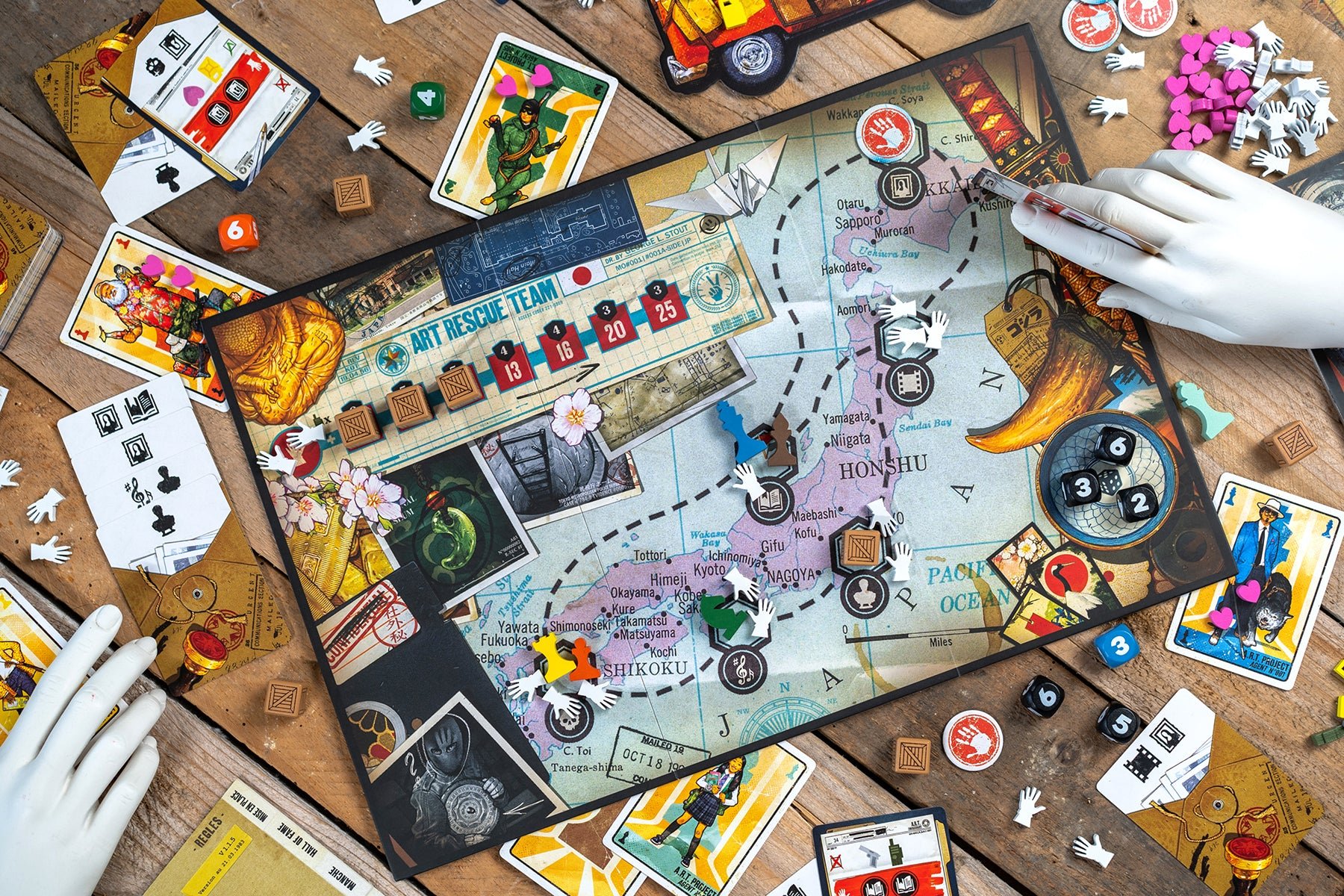
An art project game combines creative expression with game mechanics, encouraging engagement and learning through playful activities.
Ever tried turning a blank canvas into a competitive sport? It might sound unusual, but that’s precisely what an art project game does. It’s about blending the fun of gaming with the joy of creating art, making it accessible to everyone.
These games use various rules and challenges to spark creativity. They push you to think outside the box, experiment with different media, and develop your artistic skills while having a good time. It’s a new way to think about making.

Art Project Game: Turning Creativity into Play
Art is awesome, right? But sometimes, getting started on an art project can feel a little… daunting. What if you could make the whole process more like a game? That’s where the concept of an “art project game” comes in! It’s all about injecting fun and playfulness into the world of drawing, painting, sculpting, and everything in between. We’re not talking about video games here. We mean using game-like elements, rules, and challenges to spark your imagination and make creating art even more engaging. Let’s dive deep and explore how to make art projects feel like an exciting adventure!
Why Make Art a Game?
Think about your favorite games. What makes them so fun? Often it’s the challenge, the sense of accomplishment, or the ability to think creatively within some boundaries. An “art project game” can bring those same feelings to artistic pursuits. Here’s why turning art into a game is a great idea:
Breaks Down the Fear: A blank page can be scary. But when you approach it with a playful mindset, the pressure is off. Games encourage experimentation and the understanding that it’s okay to make “mistakes.”
Sparks Creativity: Rules and challenges can actually push your creativity in unexpected directions. Limited materials, a timed drawing challenge, or a specific theme can lead to surprisingly original artwork.
Makes Learning Fun: When you are having fun, you are more likely to learn and remember things! An art project game can introduce new techniques, art styles, and art concepts in a way that doesn’t feel like work.
Keeps Things Interesting: Let’s face it, sometimes even our favorite activities can become a bit monotonous. By making art a game, we can keep things exciting and renew our interest in creating.
Boosts Engagement: Games are designed to engage us. When art feels like play, kids (and adults!) are more likely to stick with it, explore it, and enjoy the whole process.
Types of Art Project Games
So, what does an art project game actually look like? There are many possibilities! Here are a few categories to get you started:
Themed Art Games
The idea is to set a theme, which acts as the primary rule of the game. This theme could be anything, from a specific animal or place, to a color or emotion.
Animal Challenge: Everyone draws their favorite animal, but they can only use certain colors. For example, can you draw a purple elephant or a blue bear?
Color Creations: Pick a color and only use shades of that color to create a picture. How many different shades can you make?
Dream Destination: Imagine your ideal place to visit and draw or build it using available materials. What does your dream home look like? What interesting things are there?
Emotion Exploration: Pick an emotion, like joy, sadness, or anger, and try to express it visually. What colors, shapes, and lines best represent that feeling?
Material-Based Art Games
This category focuses on the specific art materials that you use in your game. Sometimes limiting your resources can cause more creativity to flow.
One Line Challenge: Without lifting your drawing utensil from the paper, draw a picture. It can be anything!
Recycled Art: Instead of using new paper, use old newspapers, cardboard boxes, or plastic containers to create art. It is better to reuse or recycle, and it is beneficial to the environment.
Texture Treasure Hunt: Gather different textured items – like leaves, fabric scraps, and buttons – and use them to create a collage. What textures can you find around your house?
Blind Drawing: Pick an object to draw and then try to draw it without looking at your paper! How well can your fingers remember the object?
Limited Tool Challenge: Pick only three colors of markers or paint for your art project. Can you make a full picture using only a few colours?
Nature’s Palette: Go outside and collect natural materials like leaves, twigs, and flowers to create art. What shapes and colors do you find in nature?
Randomized Art Games
These games introduce an element of chance into the art-making process. This can help your imagination take an unplanned route.
Dice Roll Drawing: Assign a drawing element to each number on a die (for example, 1 = a house, 2 = a tree, 3 = a person). Roll the die to determine what you will draw.
Story Starter: Write a few different sentence starters on slips of paper and pick one at random. The sentence you pick will inspire the story you will create in art form.
Color Wheel Challenge: Use a color wheel to pick random color combinations and see what pictures you create. What happens if you use colors that are opposite each other?
Art Prompts Jar: Write different drawing prompts (e.g., “a flying bicycle,” “a giant strawberry”) on slips of paper. Pick one at random to inspire your artwork.
Collaborative Art Games
Art is even better when you share it with someone else. Collaborative art games encourage teamwork and create unique artwork together.
Exquisite Corpse: One person starts a drawing, and then the next person adds to it without seeing the previous person’s drawing. It makes for some very strange and funny drawings!
Storytelling Chain: One person starts drawing a picture with a simple scene or character. The next person adds to the picture and continues the story visually, and it keeps going like this.
Group Mural: Work together to create a large art piece, with each person contributing a section to the whole mural. What unique style will you bring to the team?
How to Play an Art Project Game
Okay, you have some ideas, but how do you actually start? Here’s a step-by-step guide to launching your own art project game:
1. Choose a Game Type: Decide what kind of game you would like to play. Do you want a themed art game, a material-based game, a random game, or a collaborative game?
2. Set Clear Rules: Even though it’s a game, clear rules help guide the creation. Are there any limits on color, shape, or size? Do you have any time limits?
3. Gather Materials: Prepare all of the materials you need for your chosen game. This may include paper, paints, colored pencils, crayons, markers, scissors, glue, and any other supplies you need.
4. Start Playing: Now it’s time to let the game begin! Have fun, experiment, and try not to worry about making mistakes. The goal is to enjoy the process of creation.
5. Share Your Art: Once you’re done, share your artwork with others! You can even create a little gallery to display your creations.
Tips for Making Art Project Games Even Better
Want to take your art project games to the next level? Here are some ideas:
Keep it Simple: Start with simple games and rules. You can always add complexity as you get better. A simple game can be the best way to start!
Adapt the Rules: Don’t be afraid to change the rules to fit the needs of your game. If a rule isn’t working, or you have a better idea, change it up!
Use Music: Playing music while creating art can be a really fun and inspiring experience! Find some music that is relaxing or uplifting.
Don’t be Afraid to Be Silly: Remember, art is all about having fun. The purpose of art is expression, so don’t be afraid to get a little silly!
Celebrate the Process: Focus on the fun of creating, rather than just the final product. Art is a process, and all stages of it can be fun and exciting.
Make It a Habit: Try to incorporate art project games into your regular routine. Set aside a little time each week for creative play!
Benefits Beyond the Fun
While art project games are loads of fun, they also offer some seriously good benefits:
Problem-Solving: Games present challenges that require you to think creatively and work around limitations. This helps in problem-solving.
Fine Motor Skills: Working with art materials helps develop small muscles in your hands, which is crucial for tasks like writing and drawing.
Self-Expression: Art gives you a channel for expressing your thoughts, feelings, and ideas in a non-verbal manner. This helps with communication and expression.
Confidence Boost: Completing an art project, especially when you’ve overcome a challenge, can be a huge confidence builder. Every creation is a step forward.
Concentration and Focus: Working on art projects, especially ones that require you to follow instructions or rules, can greatly improve concentration and focus.
Art Project Games for Different Age Groups
Art project games can be for everyone! Here are some ideas for different ages:
Younger Children (Ages 4-7)
Color Recognition Game: Use paint or crayons to match colors on cards.
Shape Scavenger Hunt: Look for different shapes around the room and create pictures based on what you find.
Fingerprint Art: Use fingers and paint to create pictures of bugs, flowers, or anything else!
Playdough Creations: Mold playdough into different shapes and characters.
Older Children (Ages 8-12)
Cartoon Character Challenge: Create a new superhero or cartoon character with unique powers and abilities.
Perspective Drawing: Learn about perspective and try to draw a realistic cityscape or landscape.
Mixed Media Collage: Combine different materials and techniques to create a textured art piece.
Comic Book Creation: Develop your own comic book characters and storylines.
Teens and Adults
Art Journal Prompts: Use prompts to inspire daily art journal entries.
Abstract Expression Challenge: Focus on expressing emotions through color, shape, and texture.
Art Style Exploration: Try different art styles, like impressionism, cubism, or pop art.
Upcycled Art Projects: Transform old items into new and original artworks.
Incorporating Technology into Art Games
You can even add a digital spin to art project games:
Digital Drawing Apps: Use drawing apps to create digital art with different tools and effects.
Photo Editing Challenges: Use a photo editing app to change existing photos into unique works of art.
Stop-Motion Animation: Create stop-motion videos using your artwork or other materials.
Online Collaborative Art Boards: Use online platforms to collaborate on art pieces with friends or family members.
Making the Most of Your Art Project Game Experience
To make your art project games as enjoyable and educational as possible, here are some final tips:
Embrace Mess: Don’t be afraid to get a little messy! Art is a hands-on activity, so it’s okay if things aren’t perfectly clean.
Be Patient: It takes time to develop artistic skills. Don’t get discouraged if your art doesn’t turn out exactly how you imagined.
Learn From Others: Look at the work of other artists and learn about their processes. You can also use them for inspiration.
Most Importantly: Have Fun: The goal of an art project game is to make art more fun and engaging. So, relax, enjoy the process, and let your creativity flow!
Art project games can truly change how you view the creation of art, making it an exciting and enjoyable journey for everyone. By incorporating playful elements into the art-making process, you can break down barriers, spark imagination, and foster a love for creativity. So, go ahead, pick a game, gather your materials, and start playing. Your art journey is about to get a whole lot more fun!
Game in a Minute: The A.R.T. Project
Final Thoughts
Essentially, combining art and games provides a fun, engaging way to learn. The process encourages creativity and problem-solving skills. This kind of activity is accessible to many age groups.
Ultimately, the ‘art project game’ idea sparks imagination and provides hours of entertainment. It’s a great method to experience art in a dynamic and memorable fashion. You must consider this playful approach.

