
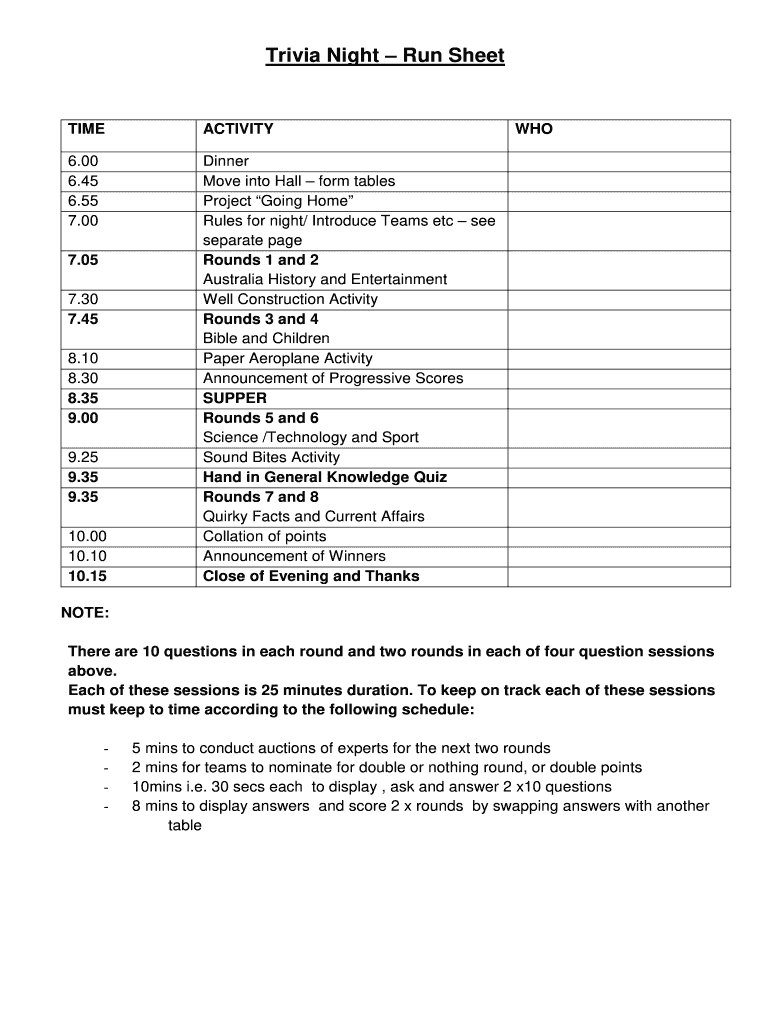
Running a trivia game requires preparing questions, organizing teams or players, setting clear rules, and keeping score.
Ever thought about hosting your own trivia night? It’s a fantastic way to bring people together for some fun and friendly competition. Learning how to run a trivia game isn’t as complicated as it might seem, and with a few key steps, you can become a successful quizmaster.
Let’s explore what goes into organizing a fun and engaging trivia event. From crafting the perfect set of questions to managing the excitement of the game itself. We will cover it all in brief, here’s how it goes.

How to Run a Trivia Game: A Complete Guide
So, you want to host a trivia night? That’s awesome! It’s a fantastic way to have fun, test your knowledge, and spend time with friends and family. But where do you even begin? Don’t worry, we’re here to guide you through every step of running a successful and enjoyable trivia game. From choosing a theme to crowning a champion, let’s dive in!
Picking the Perfect Trivia Theme
First things first, you need a theme! A good theme can make your trivia night much more engaging. Think about who will be playing. Are they movie buffs? History nerds? Do they love music? Tailor your theme to your audience for maximum fun. Here are some popular ideas:
- Pop Culture: Movies, TV shows, celebrities, and trends.
- History: Events, figures, and milestones from different eras.
- Science and Nature: Biology, physics, chemistry, and the natural world.
- Music: Artists, songs, genres, and music history.
- Literature: Books, authors, poems, and famous quotes.
- Sports: Various sports, athletes, records, and events.
- General Knowledge: A mix of questions from different subjects.
- Holidays: Focus on questions related to specific holidays or seasons.
How to Choose Your Theme
Consider these questions while choosing your theme:
- Who is your audience? What are their interests?
- What resources do you have? Can you easily find questions and facts about this topic?
- How diverse can you make it? Can you create a variety of questions with different difficulty levels?
- Is it fun for you? If you’re excited about the topic, your enthusiasm will be contagious!
Crafting Great Trivia Questions
The questions are the heart of any trivia game. You need a good mix of easy, medium, and hard questions to keep everyone engaged. Aim for questions that are interesting and challenging but not impossible. Here’s how to write good trivia questions:
Different Question Types
Variety is key! Use different types of questions to keep things fresh:
- Multiple Choice: Provides several answer choices, making it easier for players to make a guess.
- Fill-in-the-Blank: Requires a precise answer, perfect for remembering details.
- True or False: Simple and quick, great for rapid-fire rounds.
- Open-Ended: More challenging, allows for more in-depth answers.
- Picture Rounds: Show pictures and ask for identification.
- Audio Rounds: Play snippets of music or sounds and ask players to identify them.
Creating a Balance of Difficulty
Aim for a mix that everyone can enjoy:
- Easy Questions: These should be simple for most players to answer, building confidence and encouraging participation.
- Medium Questions: A bit more challenging, requiring some knowledge of the topic.
- Hard Questions: Meant to stump even the most knowledgeable players, offering a challenge.
Where to Find Trivia Questions
- Books: Trivia books are great for inspiration and questions.
- Online: Many websites offer pre-made trivia questions, but always double-check accuracy.
- Your Own Knowledge: Think of interesting facts you know and turn them into questions.
- Friends and Family: Get their input and ask them for questions they might enjoy.
Writing Clear and Concise Questions
Make sure your questions are easy to understand:
- Use clear language: Avoid complicated phrasing or technical terms.
- Be specific: Avoid ambiguous or vague questions.
- Proofread: Check for spelling and grammar errors.
Setting Up the Game
Now that you have your questions, it’s time to set up the game. A little preparation can go a long way in making your trivia night smooth and fun.
Choosing a Venue
Think about your space:
- Home: A great option for smaller groups and intimate settings.
- Bar/Restaurant: Great for larger groups and a more lively atmosphere.
- Community Center: Offers more space and may have extra amenities.
- Online: Use video conferencing platforms to host online trivia nights.
Gathering Your Materials
Make sure you have everything you need:
- Question Sheets: Printed sheets for each team or player.
- Answer Sheets: Separate sheets for players to write their answers.
- Pens or Pencils: Enough for everyone to write with.
- Timer: To keep track of time per question.
- Scoreboard: A whiteboard, poster, or digital scoreboard to track scores.
- Prizes: Small prizes for the winning team or individual.
- Sound System (if needed): For audio rounds or background music.
Deciding on Teams or Individuals
Do you want to play in teams or individually? This depends on the number of people you expect and the atmosphere you want to create.
- Teams: Good for larger groups, promoting teamwork and cooperation.
- Individuals: Better for smaller groups, creates friendly competition among players.
Creating the Game Flow
Plan how your game will run:
- Number of Rounds: Decide how many rounds of questions you’ll have.
- Time Per Question: Set a reasonable time limit for each question.
- Scoring System: Decide how many points each correct answer will be worth.
- Breaks: Plan short breaks between rounds, especially for longer games.
Example Game Flow:
- Introduction and explanation of the rules.
- Round 1: 10 Easy multiple-choice questions.
- Short break (5 minutes)
- Round 2: 10 Medium Fill-in-the-blank questions.
- Round 3: Picture Round
- Short Break (5 minutes)
- Round 4: 10 Hard open-ended questions.
- Final scores calculation and prize distribution.
Running the Game
Now for the fun part – running the trivia game! Here are some tips to make sure it goes smoothly:
Being a Great Host
Your role is crucial:
- Be enthusiastic: Your energy will make the game more fun for everyone.
- Speak Clearly: Make sure everyone can hear and understand the questions.
- Keep things moving: Don’t let the game drag on too long.
- Be fair: Make sure everyone follows the rules.
- Be flexible: Be ready to adapt if things don’t go as planned.
Presenting the Questions
Read the questions clearly and slowly:
- Read each question twice: To make sure everyone has heard it correctly.
- Clearly state any options: If it’s multiple-choice, make sure to list the options clearly.
- Announce the time limit: Remind players how long they have to answer.
- Clarify any misunderstandings: If there’s any confusion, clarify the question.
Collecting and Checking Answers
Be organized when checking answers:
- Have a designated helper: To make the process quicker.
- Go through the answers methodically: Check each answer sheet carefully.
- Be fair and consistent: Ensure equal treatment to all teams/individuals.
- Award points correctly: Accurately add up the points for each team.
Using a Timer Effectively
Keep the game moving:
- Use a stopwatch or countdown timer: To keep track of time.
- Give a warning: Before the time is up, let the players know they have a few seconds left.
- Be consistent: Stick to the time limit you set for each question.
Keeping Track of Scores
Make it clear who’s in the lead:
- Keep the scoreboard up to date: Make it easy for everyone to see.
- Announce the scores: After each round, announce the updated scores.
- Create some friendly competition: Encourage teams to do their best.
Adding Some Fun Twists
Want to make your trivia game even more interesting? Here are a few ideas:
Bonus Rounds
Add extra questions for extra points:
- High-stakes questions: Give more points for a correct answer but award nothing for an incorrect answer.
- Wager questions: Let the team or players bet some of their existing points.
Themed Music
Play some background music that fits your trivia theme. This makes the atmosphere more fun.
Fun Prizes
Go beyond simple prizes, some fun ideas could be:
- Funny Awards: Like a “Most Likely to Cheat” award for teams who guess wildly.
- Gift Cards: To local stores or restaurants.
- Personalized Trophies: Make your own awards with funny messages.
- Bragging Rights: Sometimes, the greatest reward is just being able to say they won!
Using Technology
If you are hosting online or if you want some extra help, technology can be a great aid:
- Online Trivia Platforms: Use platforms to host your trivia game online.
- Digital Scoreboards: Use a spreadsheet or website to keep track of scores.
- Music Streaming: Use music streaming services for audio rounds.
Troubleshooting
Even with careful planning, things may not always go perfectly. Here are some common problems and how to handle them:
Disputes over Answers
Sometimes teams may have different answers, so be ready to handle them:
- Be clear on what answers are correct: Have a clear answer key.
- Check your sources: If needed, double check your source of information.
- Make a final decision: If disputes cannot be solved with sources, have a final say.
Technical Difficulties
Prepare for the unexpected:
- Have backup plans: If your technology doesn’t work, have alternatives ready.
- Stay calm: Don’t panic, be calm and troubleshoot.
- Be flexible: Be ready to adjust if something goes wrong.
Dealing with Slow Play
Keep the game flowing:
- Encourage players to be quick: Make sure they understand that time is limited.
- Give quick warnings: If players are taking too long, give them a gentle reminder.
- Adjust time limits: If players are too slow, adjust the limits as needed.
When the Game Runs Long
Sometimes the game may go over the planned time:
- Set time limits: Try to maintain time limits to keep on schedule.
- Adjust the number of questions: If you are behind, you can reduce number of questions.
- Be upfront with players: Let them know the current situation.
Running a trivia game is a fantastic way to bring people together for fun, friendly competition. With a little planning, creativity, and a dash of humor, you can create an event that everyone will enjoy. Remember to tailor the game to your audience, keep it fun and engaging, and most importantly, have a great time!
Trivia Night: Rules of the Game
Final Thoughts
In short, prepare questions, designate a host, and gather players. Award points for correct answers. Use a timer to keep things moving, which is must. Clearly explain rules to all participants before you start.
This summary covers all the basics for how to run a trivia game. Remember to keep it fun and adaptable to your group’s needs. Simple planning ensures a great game.

