
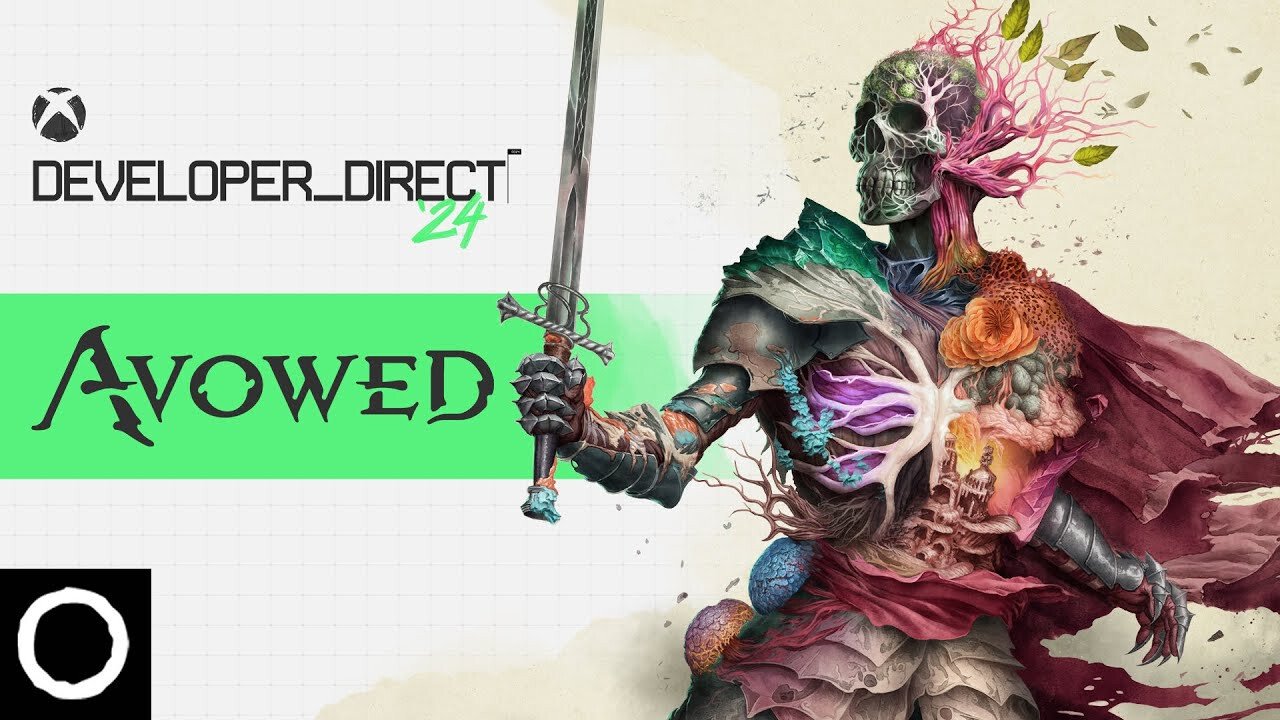
Avowed combat encounters feature a variety of enemy types, requiring players to adapt their strategies and utilize the game’s magic and melee combat systems effectively.
Analyzing how fights play out in Avowed is crucial for success. Enemies aren’t just damage sponges; they exhibit different behaviors and have distinct weaknesses. This requires players to think beyond simply button mashing.
A proper Avowed combat encounters analysis reveals the importance of weapon choice and spell selection. Some enemies are resistant to certain attack types, making tactical adjustments vital during gameplay. Paying attention to environmental features can also provide additional advantages.

Avowed Combat Encounters Analysis
Okay, let’s dive deep into the exciting world of combat in Avowed! We’re not just going to skim the surface; we’re going to explore how fights work, what makes them tick, and how you, as the player, can become a real force to be reckoned with. Get ready for a close look at everything from enemy types to combat styles and those crucial moment-to-moment decisions that will make or break your time in the Living Lands.
Understanding Enemy Variety
Avowed isn’t going to throw the same old goons at you all the time. The game features a diverse range of foes, each with its own quirks and strategies. Imagine facing a hulking beast that smashes the ground, then a nimble rogue that dances around your attacks. This variation keeps encounters fresh and forces you to adapt your tactics.
Enemy Archetypes
Think of these archetypes as common roles that different enemies fit into. They’ll help you understand what to expect from a fight. We’ll be seeing things like:
- Melee Fighters: These are your standard close-range attackers. They might have swords, axes, or claws and will try to get up close and personal. Expect them to use basic attacks, maybe some simple combos, and they’ll likely try to surround you.
- Ranged Enemies: These folks prefer to keep their distance. They might shoot arrows, throw magic, or use other projectiles. They can be tricky to deal with if you’re always fighting in the thick of things, so being able to move around the battlefield is crucial.
- Magic Users: Be very careful about these. Magic users can cast spells that deal damage, hinder your movements, or even heal their allies. They might be more fragile than other enemies, but their magic can quickly change the tide of battle.
- Tank Enemies: These are the heavy hitters. They often have strong armor, large health pools, and can deliver powerful attacks. You’ll need to be strategic when facing these, maybe targeting them with powerful skills or focusing on dodging and keeping distance.
Identifying Enemy Weaknesses
This is where things get really interesting. Each enemy isn’t just a bag of health waiting to be emptied. Many will have specific weaknesses you can exploit. Knowing these can make tough fights much easier. For example:
- Some enemies might be slow, making them easy to hit with ranged attacks.
- Others might have weak armor, making them vulnerable to weapons that pierce or cut.
- Some enemies might be weak against certain types of magic, meaning spells of a particular element will do extra damage.
Learning to observe your enemies and pick up on these subtle hints will make you a more efficient fighter. This doesn’t mean every enemy will have an obvious glowing spot, but they might telegraph their attacks that show a window of vulnerability.
Diving into Combat Mechanics
Avowed’s combat is not just about mashing buttons. There is depth in the game’s system, and when you can understand these mechanics, it opens up a bunch of different ways to approach any fight.
Melee Combat Analysis
Close-quarters combat in Avowed is going to be dynamic and satisfying. Here are the key elements to keep in mind:
- Light Attacks: These are your faster, weaker strikes. They’re great for landing quick blows and getting a few hits in when an enemy is open.
- Heavy Attacks: These are slower, but pack a much bigger punch. Use these to break through enemy defenses or deal critical damage when you find an opening.
- Blocking/Parrying: Knowing when to block or parry can make all the difference in a tough fight. Blocking reduces damage, while a perfectly timed parry might open up an enemy to a counter-attack.
- Dodging: Don’t be a sitting duck. Dodging is super important for avoiding attacks and getting into a more advantageous position. A well-placed dodge can let you land some free shots.
- Combos: Putting together sequences of light and heavy attacks can result in combo attacks that deal more damage, which will make you more effective in battles.
Ranged Combat Analysis
Ranged combat gives you different options to approach a fight. Here’s the lowdown:
- Projectile Weapons: Bows, crossbows, and magical projectiles all fall into this category. They let you keep your distance and deal damage from afar.
- Aiming: Landing shots with ranged weapons often requires careful aiming. Don’t just fire and hope for the best. Take your time to aim and anticipate enemy movements.
- Ammo Management: Ranged weapons often use limited ammo. Keep track of how much you have, and make sure to restock when needed. Some skills might allow you to recover or generate ammo during combat, which might be very helpful.
- Positioning: Being able to choose your position on the battlefield is crucial in ranged combat. Find places with a clear line of sight, and don’t let enemies get too close.
Magical Combat Analysis
Magic brings a whole other level of complexity and power to the table. Here’s how to get a good handle on it:
- Spellcasting: Magic involves learning and casting spells. Each spell can have its own unique effect, be it direct damage, healing, or special effects like slowing down enemies.
- Mana/Magic Resource Management: Spells use up a limited resource, often called mana or a similar name. Make sure to keep an eye on this resource, or you’ll quickly find yourself unable to cast spells.
- Elemental Interactions: Magic might interact with elements like fire, ice, or lightning. Understanding how these elements work together can give you a big edge in a fight. An ice spell on a fire enemy might deal extra damage, for example.
- Spell Combinations: Some spells might have special interactions when combined. Experiment with different spells to see if you can find any powerful combinations.
Tactical Approaches to Encounters
Avowed isn’t going to let you just run in swinging your sword. Being tactical is very important for your survival. Here are some ideas on how to approach combat encounters:
Battlefield Awareness
Always be aware of what’s happening around you. Think of your environment, enemy placement, and the space you have to move in.
- Environmental Hazards: You might be fighting near cliffs, explosive barrels, or patches of fire. Being aware of these can give you an opportunity or you might want to avoid them.
- Enemy Positioning: If you know where the enemies are, you can plan your moves more effectively. You can try to fight ranged enemies first, focus fire on specific enemies, or try to move so only one or two can attack you at a time.
- Cover: Using cover is critical in many situations. Use walls or other objects to block ranged attacks and regroup with your party.
Strategic Skill Use
Your skills and abilities aren’t just there to look cool. They play a very important part of winning in battles.
- Offensive Skills: These are skills that deal damage. Use them to take down enemies quickly.
- Defensive Skills: Defensive skills can be used to heal, block damage, or evade attacks.
- Support Skills: These can give you or your allies buffs, debuff enemies, and give you the edge in battles.
- Skill Combos: You can use certain skills together to give special effects and damage.
Adapting to Different Situations
No two battles are the same. You need to be able to adapt to different situations, especially when you get a surprise enemy attack.
- Changing Enemy Composition: If the composition of enemies changes, adjust your tactics. For example, if the fight shifts to more ranged enemies, maybe use cover and plan to get close to them.
- Unexpected Attacks: Being able to react fast to surprises is key. Be ready to change your gameplan and not panic in the middle of the battle.
- Learning from Mistakes: Don’t get discouraged if you fail an encounter. Think about what went wrong and learn how to adjust for the next time.
Analyzing Specific Encounter Types
Let’s look at different kinds of encounters you might find in Avowed and how to approach them.
Boss Encounters
Bosses are big, tough fights that test all of your skills.
- Complex Attack Patterns: Bosses have complex attacks and patterns that you need to understand to be able to dodge them.
- Multiple Phases: Many bosses have multiple phases, each with different attack patterns. Learning how they will switch is important to winning the fight.
- Weak Points: Bosses might have weak points that you can target for extra damage.
- Strategic Skill Usage: You might have to use certain skills or items strategically to be able to deal with different parts of the fight.
Group Encounters
These are battles against multiple enemies at the same time.
- Crowd Control: Crowd control abilities or spells that slow down, stun, or push back enemies might be crucial here.
- Prioritizing Targets: You need to focus on the most dangerous enemies first. Ranged enemies or support characters might need to be taken care of fast, or they can cause problems very quickly.
- Using Area-of-Effect Attacks: Area-of-effect attacks can help you deal with large groups of enemies.
- Flanking: Attacking enemies from multiple sides might be a great way to deal with them if they have high defense, but it might also be dangerous if you get surrounded.
Ambush Encounters
These are surprise attacks that catch you off-guard.
- Quick Reactions: Being able to react quickly is extremely important, you might need to dodge or block attacks immediately.
- Defensive Positioning: Try to find some sort of cover fast, or create your own cover, and focus on not getting surrounded.
- Assessing Threats: Quickly figure out what kind of enemies you are facing, and react accordingly.
By understanding the core mechanics of combat, from identifying enemy types to using strategic skill combinations, you’ll be well-equipped to handle the challenges that Avowed throws your way. It’s not just about clicking buttons; it’s about thinking strategically, adapting to your surroundings, and making smart decisions in the heat of battle.
Ultimately, successful combat encounters in Avowed come from a combination of careful observation, strategic planning, and quick reaction times. Pay close attention to enemy behavior, take time to plan your approach, and practice different skills and combinations. The more you learn, the more satisfying each victory will be. Each fight is a new chance to test your skills and learn something new. So get ready, grab your weapons, and step into the Living Lands with confidence.
Avowed is NOTHING Like Skyrim, and That's a Good Thing – Hands on preview, new gameplay
Final Thoughts
Avowed combat encounters analysis reveals a mix of tactical options and direct confrontation. Players must adapt to enemy types and environmental conditions. Combat pacing varies, demanding both careful planning and quick reactions.
Effective use of abilities and gear is necessary for success. Strategic positioning and resource management become vital. This type of combat proves engaging and challenging.

