
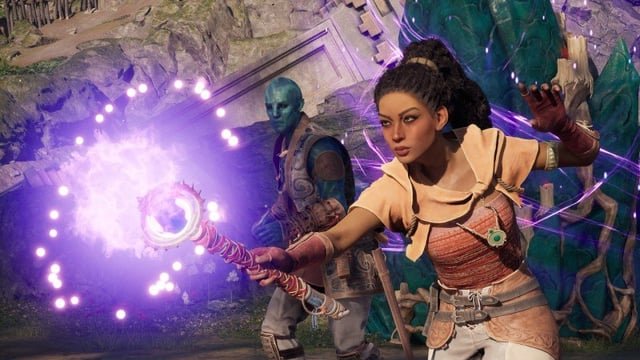
Avowed differs from previous Obsidian titles, such as Pillars of Eternity, with its first-person perspective and action-oriented combat, moving away from the isometric view and more tactical gameplay.
The gaming community buzzes with excitement about Avowed. Everyone wants to know, how it compares to Obsidian’s previous games. This question, the core of our Avowed comparison to previous games, is certainly understandable. Players are curious about what they can expect.
Will it feel similar to their beloved RPG experiences or will this be a completely new direction? We will explore these important differences and shared qualities. You’re in for an interesting read as we break down the important details.

Avowed Comparison to Previous Games
Alright, let’s dive deep into what makes Avowed tick, and how it compares to other games we know and love. When a new game comes out, especially one from a studio like Obsidian Entertainment, everyone starts making comparisons. It’s natural! We want to know if Avowed feels like something familiar or if it’s going to take us on a totally new adventure. So, let’s talk about what makes Avowed unique, how it echoes some of Obsidian’s past successes, and where it forges its own path.
The Obsidian DNA: Familiar Flavors
Obsidian has a particular style, a way of crafting stories and characters that many fans recognize instantly. Let’s break down some elements that show up in both Avowed and previous Obsidian games:
Strong Storytelling and Deep Lore
Obsidian games are known for their complex narratives and richly detailed worlds. Think of games like Fallout: New Vegas or Pillars of Eternity. They don’t just give you a simple good versus evil plot; they present shades of gray, morally ambiguous choices, and a world with a history that you can explore. From what we’ve seen, Avowed continues this tradition. It looks like it will offer players a complex world in the Living Lands, with its own history, factions, and conflicts. Just like in previous games, we are going to have to make tough decisions that will impact the story and the characters around us. The team at Obsidian pays close attention to world-building, making sure every place, character, and artifact has a history and a reason to be there.
Companion Characters with Depth
Another signature Obsidian element is the companion system. These aren’t just sidekicks who follow you around; they are characters with their own motivations, personalities, and backstories. We see this in Knights of the Old Republic II and The Outer Worlds, where companion quests and interactions often become highlights of the game. So far, it seems like Avowed will continue this trend. We’ve seen glimpses of some potential companions, and we anticipate that they’ll have interesting stories to tell, complex relationships with the player character, and their own personal problems to sort out. Having companions that matter adds so much to the gameplay experience.
- Meaningful dialogue options: Just like in previous Obsidian games, expect to see dialogue choices that matter. What you say can change your relationships with companions and factions.
- Personal companion quests: These quests focus on the stories of your companions, allowing you to understand and grow closer to them.
- Unique perspectives: Each companion is likely to have a unique view on the world and the events that take place, which could influence your own choices.
Choice and Consequence
Obsidian games are known for the impact your decisions have on the world around you. Your choices are not just cosmetic; they can affect entire cities, faction relationships, and even the ending of the game. In Fallout: New Vegas, choosing to support one faction over another can alter the power dynamic of the wasteland. We expect Avowed to provide a similar level of player agency, letting you influence the fate of the Living Lands through your actions. The idea that every choice has a consequence is a hallmark of the Obsidian development philosophy. Players will likely need to carefully think about the effects their decisions may have on the story.
Avowed: Carving Its Own Path
While Avowed shares some DNA with previous Obsidian games, it’s also clear that it is doing its own thing. This isn’t just a re-skin of an old game; it’s a new experience with some distinct differences.
First-Person Perspective and Action-Focused Combat
Perhaps the biggest difference between Avowed and Obsidian’s older titles is the shift to a first-person perspective with a more action-focused combat system. Obsidian usually sticks with an isometric or third-person view, but Avowed is taking the perspective we saw in games like The Outer Worlds and moving it more into a fantasy realm. The combat also looks more dynamic, with players able to use spells, swords, and ranged weapons. This is a big shift from the more tactical, paused-based combat of games like Pillars of Eternity. The combat in Avowed looks visceral and fast, requiring players to think on their feet and react to enemy attacks. There are also signs of different fighting styles, allowing players to customize their approach.
The Unique Setting of the Living Lands
The Living Lands are a far cry from the post-apocalyptic wastelands or the more traditional fantasy realms. This world seems to have a unique style, filled with vibrant colors, strange creatures, and its own distinct cultures. We know from previews that it is a land filled with mystery and ancient power, and that players will be able to explore it freely. This setting is very different from the more grounded worlds seen in other Obsidian games. The world of Avowed seems to be influenced by various fantasy and folklore ideas that create something that feels both new and familiar. The mix of natural beauty and hidden dangers adds to the sense of mystery.
A Deeper Dive into Comparisons: A Table
Let’s look at a more detailed comparison table to highlight the differences and similarities between Avowed and some of Obsidian’s other well-known games:
| Feature | Avowed | Fallout: New Vegas | Pillars of Eternity | The Outer Worlds |
|---|---|---|---|---|
| Perspective | First-Person | First-Person/Third-Person | Isometric | First-Person |
| Combat | Action-Focused Real-Time Combat | Real-Time Combat with VATS | Paused-Based Tactical Combat | Action-Focused Real-Time Combat |
| Setting | High-Fantasy Living Lands | Post-Apocalyptic Wasteland | Classic Fantasy World | Space Exploration on Colonized Planets |
| Storytelling | Complex narrative with moral choices | Complex narrative with multiple endings | Complex narrative with deep lore | Complex narrative with multiple factions |
| Companion Characters | Deeply developed characters with personal quests | Deeply developed characters with personal stories | Deeply developed characters with personal quests | Deeply developed characters with personal quests |
Where Avowed Might Take Inspiration: Beyond Obsidian
It’s also interesting to think about how Avowed might take inspiration from games outside of Obsidian’s catalog. Given the first-person perspective and more action-oriented combat, there are a few comparisons that come to mind:
The Elder Scrolls Series
Many fans have pointed out the similarities between Avowed and The Elder Scrolls games, especially Skyrim. Both are first-person fantasy RPGs with open worlds. The freedom to explore, the focus on character progression, and the potential for discovery are things we might see in Avowed. However, Avowed seems to be going for a more tightly woven story than the sandbox-style of Elder Scrolls games.
Other Action RPGs
Looking at the action combat, we might also see elements from games like Dark Messiah of Might and Magic which combined melee combat with spellcasting in the first person. There are also signs of environmental combat, which suggests that players will be using their spells in creative ways. This seems to be a departure for Obsidian which means they could be trying to take lessons from other games with successful action combat.
What it All Means
Ultimately, Avowed is shaping up to be an interesting mix of familiar and new elements. It carries the storytelling and character depth that Obsidian is known for, while also trying out a new style of combat and perspective. It’s not just a rehash of an old idea; instead, it’s an evolution, building on the past while forging its own identity. The comparisons to previous games help us understand what Avowed may bring, but it’s important to go into it with an open mind. This game is aiming to do things differently, offering a new way to experience the fantasy worlds that Obsidian creates.
The shift to a first-person view and more action-based combat may be the biggest shift, and it is a risk, but it looks like Obsidian is putting a lot of work into making it feel both satisfying and unique. The Living Lands themselves offer a new backdrop for the kind of stories that Obsidian is known for, allowing the studio to do things it couldn’t with previous settings. So, while we look at the past to understand the present, it’s the future where Avowed will really make its mark.
I've Played 20 Hours of Avowed (Early Review)
Final Thoughts
Avowed’s gameplay differentiates itself, emphasizing magical combat and a first-person perspective. The narrative approach offers a distinct experience from past Obsidian titles, with a focus on reactivity.
Avowed comparison to previous games is inevitable, as fans explore its connections to the Pillars of Eternity world. It takes a bold step, establishing its unique identity within the studio’s history. The gameplay is noticeably different with faster-paced combat.

