
A typical soccer game lasts 90 minutes, plus any added stoppage time.
Have you ever wondered how long is a typical soccer game? It’s a question many new fans ask, and the answer isn’t always straightforward. The clock doesn’t just run continuously.
Standard soccer matches divide play into two 45-minute halves. A brief halftime break separates these periods. Referees add extra time at the end of each half to account for interruptions.

How Long is a Typical Soccer Game?
Okay, let’s talk about soccer, or football as many people around the world call it! You’ve probably seen a game on TV, maybe even played one yourself. But have you ever wondered exactly how long a typical soccer game is? It’s not always as straightforward as you might think. There are some rules and exceptions that can affect the total time. Let’s dive into all the details so you know what to expect whether you’re a player or a spectator.
The Standard 90 Minutes
The basic soccer game length is 90 minutes. This time is divided into two equal halves. Each half is 45 minutes long. Between these halves, there’s a break. We call this the halftime break, and it gives players a chance to rest, talk with their coaches, and maybe grab a drink of water.
So, if you break it down, a typical match is:
- First half: 45 minutes
- Halftime break: 15 minutes (approximately)
- Second half: 45 minutes
- Total regular playing time: 90 minutes
This 90-minute time frame is the standard for most professional and high-level games across the globe. Whether it’s the World Cup, a local professional league match, or a college game, you can expect that they’ll follow this structure. It’s the foundation of a soccer match.
Understanding Added Time
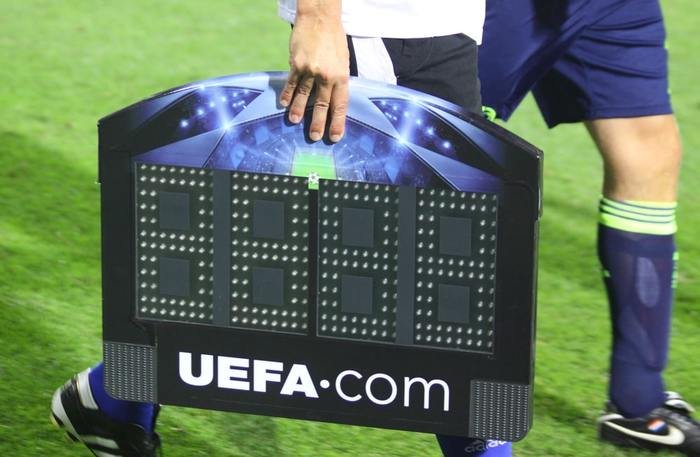
Now, here’s where things can get a little interesting. A soccer game rarely ends exactly at 45 minutes or 90 minutes on the clock. This is because there’s something called “added time,” also known as stoppage time or injury time. This extra time gets added at the end of each half. It’s not part of the initial 45 minutes; it’s extra. So, why does this happen?
Reasons for Added Time
Added time exists because things happen during a soccer match that can cause the clock to stop. Think about it: time might stop if a player gets hurt and needs medical attention. Time also gets added for substitutions when players come on or off the field. Sometimes, there might even be time added for a delay, like when the ball goes way out of bounds and takes a while to retrieve. The referee is the person who decides how much added time to give at the end of each half based on what happened during the playing time.
Here’s a breakdown of why time may be added:
- Injuries: If a player gets hurt and needs medical attention on the field, time is added.
- Substitutions: When players are substituted, the clock is paused, and time is added.
- Time-wasting: If a player or team intentionally wastes time, the referee may add time to compensate.
- Other Delays: Any other delays, like a ball going far out or a dispute, can lead to added time.
It’s important to remember that added time is not an exact science. The referee uses their best judgement to decide how much extra time is needed. It is quite normal to see two to five minutes added to each half but sometimes you can even see more when an exceptional event occurs.
Variations in Game Length
While the 90-minute game is the standard, the length of a soccer game can change based on the age and level of the players. Kids and youth soccer often have shorter game times. Let’s look at these variations:
Youth Soccer
For younger players, the standard 90 minutes would be too long. Their games are shorter so that they don’t get too tired. It helps them enjoy the game without becoming too exhausted.
- Under-6 and Under-8: Often play two 20-minute halves with a short break in between. This means their total playing time is only 40 minutes.
- Under-10 and Under-12: Typically play two 25 or 30-minute halves. Their games may be 50 to 60 minutes long in total.
- Under-14 and Under-16: May play two 35 or 40-minute halves, depending on the league. Their games could be around 70 to 80 minutes long.
These adjustments help younger players develop their skills at a pace suitable for their age and physical development. Remember that these are just typical lengths. Different leagues or organizations may have slightly different rules. So, it is always good to check the rules beforehand.
Other Variations
Even outside of youth soccer, there can be other times when game lengths are different. Sometimes, in friendly matches or special tournaments, organizers might choose to shorten games, especially if they’re played very close together. This might happen in exhibition matches or small pre-season tournaments.
Extra Time and Penalties
Now, what happens if the score is tied at the end of 90 minutes plus added time? In some soccer games, especially in knockout tournaments like the World Cup or Champions League, the game cannot end in a tie. In these cases, there is sometimes extra time and then penalty kicks.
Extra Time
Extra time usually consists of two 15-minute periods. This is added on top of the usual 90 minutes and added time. During extra time, the teams continue to play, hoping to score a goal and win the match. It is a very dramatic period, as both teams usually play very tired at this point of the match.
Penalty Kicks
If the score is still tied after extra time, the game goes to penalty kicks, which is also sometimes referred to as a penalty shootout. In this dramatic stage, players take turns taking shots on the goal from a fixed spot, with only the goalkeeper defending. The team that scores more penalties wins the game.
So, let’s recap, when a game needs to find a winner, you might see:
- 90 minutes of play plus added time
- Two 15-minute periods of extra time if the score is still tied
- Penalty kicks if the score is still tied after extra time
The Role of the Referee
The referee is very important to the flow and duration of a soccer match. Not only do they make the rules of the game, but they are the ones who keep track of time and determine how much added time is needed. Referees need to be very aware of what is happening on the field. They must keep the game fair and moving. They use their stopwatches and their best judgement to calculate extra time.
The ref’s job is to:
- Start and stop the clock
- Decide when time needs to be added for stoppages
- Maintain order and fair play on the field
- Enforce all the rules of the game
Their decisions, regarding added time, can greatly impact the outcome of the game. The added time can sometimes provide opportunities for teams to score late equalizers or winners, which contributes to the suspense and excitement of the game.
Factors Affecting Game Duration
Beyond just the basic rules of time, there are several other factors that can affect how long a soccer game seems to last. For example, the style of play can influence the duration. If a team is constantly slowing down the game with long passes and strategic play, this can contribute to a game that appears longer overall.
Style of Play
Teams can have different styles which can make a difference. A high-paced, attacking game with lots of shots and tackles will probably have more stoppages because of injuries and other interruptions. On the other hand, a slower, more tactical game with few interruptions might feel quicker, even if the same amount of time has passed.
Weather Conditions
The weather can also have an effect on the game length. If the weather is extremely hot, the ref may give players more time to drink water, or even stop play for a few minutes in the middle of each half. Rain or snow can also slow the game down. It can make it harder for the players to move with the same pace as they would in normal conditions, and the ball also gets slower, making more stoppages likely.
Injuries and Medical Emergencies
Injuries can make the game take longer. Serious injuries that need medical attention on the field can cause longer stoppages. The team’s medical staff has to assess the player and potentially carry them off the field. These situations require a longer added time.
Table Summary
For a quick review, here’s a table summarizing typical soccer game times:
| Level/Age | Half Length | Total Playing Time | Added Time | Extra Time (If Needed) |
|---|---|---|---|---|
| Professional/Adult | 45 minutes | 90 minutes | Variable (usually a few minutes) | Two 15-minute periods |
| Under-16 | 35-40 minutes | 70-80 minutes | Variable (usually a few minutes) | Rarely Needed |
| Under-12 | 25-30 minutes | 50-60 minutes | Variable (usually a few minutes) | Rarely Needed |
| Under-8 | 20 minutes | 40 minutes | Variable (usually a few minutes) | Rarely Needed |
Remember that these are typical times, but variations may occur. These are typical times and things can vary based on the tournament, league, or other circumstances.
So, now you know, a typical soccer game is 90 minutes long, divided into two 45-minute halves, with added time at the end. But it’s more than just that. Youth games have shorter durations. Games can extend with extra time and penalties. And all the things that happen on the pitch make each game a little bit different in the end. This makes every game unique and fascinating for both players and fans.
World Cup 2018: How Long Is A Soccer Game?
Final Thoughts
A standard soccer game lasts 90 minutes. This excludes any stoppage time added by the referee. There is also a 15-minute halftime break dividing the game.
So, if you are wondering, how long is a typical soccer game, the total time, including breaks and extra minutes, generally stretches just over two hours. It is important to consider potential added time for any on-field delays.

