
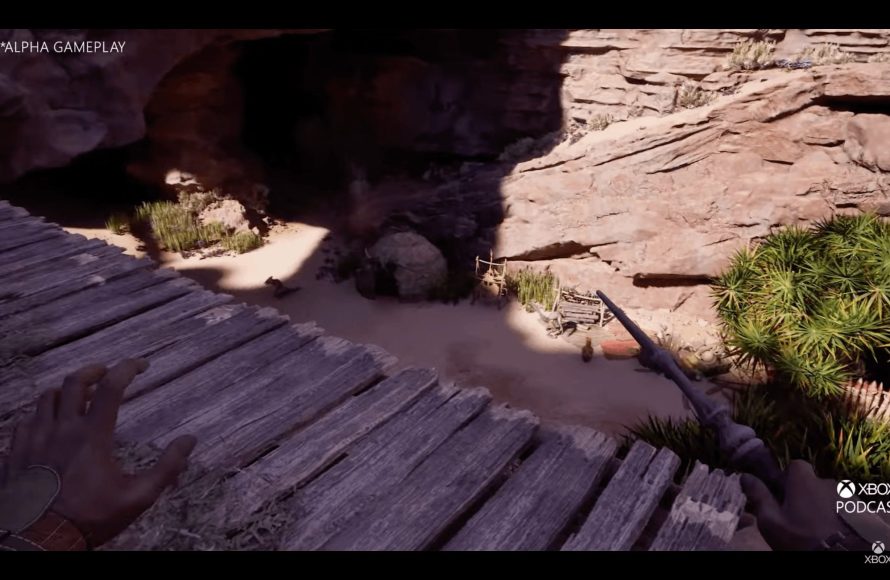
Avowed game design principles center around player agency, meaningful choices, and reactive world-building, aiming for a deeply immersive role-playing experience.
Ever wondered what makes a game truly captivating? The magic often lies in the principles that guide its creation. This is precisely what we will discuss today. It’s about understanding how developers build worlds that feel alive and engaging.
Specifically, we’re diving into Avowed game design principles, exploring the core philosophies that shape its immersive gameplay. We will try to get a glimpse of what makes it tick.

Avowed Game Design Principles
Let’s dive into the exciting world of game design! Specifically, we’re going to talk about the principles that likely drive the creation of a game like Avowed, Obsidian Entertainment’s upcoming first-person fantasy RPG. Game design principles are like the rules and guidelines that game creators use to make their games fun, engaging, and, well, games! They’re the secret sauce that makes some games addictive while others might fall flat. So, what kinds of ideas and concepts might Obsidian be thinking about when they design Avowed?
Core Gameplay Loop
The core gameplay loop is the heart of any game. It’s the series of actions a player repeats throughout the game. For Avowed, we can anticipate this loop might center around exploration, combat, character building, and story progression. Think of it like this:
- Exploration: You wander through the vibrant and sometimes dangerous world of Eora, finding new places, people, and secrets. This is likely not just aimless wandering; it’s often tied to quests and resources.
- Combat: You encounter enemies that you need to fight using various weapons, spells, and abilities. This means understanding enemy weaknesses, timing attacks, and making smart choices in battle.
- Character Building: As you play, you gain experience and become stronger. You can improve your skills, unlock new abilities, and equip powerful gear. This makes your character unique to you.
- Story Progression: You meet characters, make choices, and move the story forward. These choices can shape the world and your character’s journey.
These four elements constantly feed into each other. For example, exploring might lead you to a dungeon, which requires combat, that leads to better gear to improve your character, which lets you progress further in the story. A well-designed core loop ensures players feel engaged and rewarded as they move through the game. It keeps them coming back for “just one more quest”!
Player Agency and Choice
Player agency means giving the players the power to make meaningful choices. It’s about letting them feel like they are shaping their own story and have a real impact on the game world. In Avowed, this could involve:
- Dialogue Options: Choosing what to say in conversations that might change the story, your relationships with other characters, or even the ending.
- Moral Decisions: Facing tough choices with ethical implications. Do you help the poor, side with the powerful, or find your own path? This might affect how NPCs react to you.
- Quest Solutions: Having different ways to approach and complete quests. You might sneak into a fortress, fight your way through, or find a clever way to bypass it.
By providing players with various paths, Avowed may allow them to create a unique gaming experience. Choices aren’t just about the end result; they are about how the player gets there and the feelings they experience during the journey.
World Building and Lore
The world of Eora in Avowed is rich with history, cultures, and magical elements. World building refers to the process of creating this believable and detailed world. It includes:
- History: A background story that explains the current state of the world, its past conflicts, and the key events that shaped it.
- Cultures: The different societies, religions, and customs that exist within the world. This creates a sense of diversity and complexity.
- Magic System: The rules and restrictions for using magic. This makes magic feel grounded and important.
- Creatures: Interesting and varied monsters and animals that populate the world.
- Environment: The look and feel of different places, from forests and mountains to cities and dungeons.
Good world building makes the game world feel real and immersive. The more consistent and detailed it is, the more players can feel invested in the game. It gives purpose to exploration and makes players want to learn more.
Combat System Design
Combat in Avowed will likely be a core component, given its action RPG elements. A well-designed combat system keeps players engaged, challenged, and feeling accomplished. This may involve principles like:
- Variety of Weapons and Abilities: Allowing players to choose from a range of weapons, spells, and abilities to match their playstyle. This keeps combat fresh.
- Enemy Variety: Ensuring different enemies that require different tactics and approaches to defeat. This prevents combat from becoming monotonous.
- Responsive Controls: Making sure the controls feel intuitive and responsive, so player actions translate smoothly into the game.
- Feedback: Providing clear visual and audio cues that let players know when their attacks are landing and when they’re taking damage.
- Strategic Depth: Encouraging players to think strategically by using combos, timing dodges, or targeting enemy weak points.
The combat system should be challenging but fair. Players should feel that success comes from skill and tactical thinking, not just luck. It also needs to be exciting and satisfying.
Character Progression Systems
Character progression is how your character gets better as you play. It’s a key part of RPGs like Avowed and can be designed in various ways:
Experience Points and Leveling
This is a classic progression system where you gain experience by completing quests and defeating enemies. Once you get enough experience, you level up, which means your character gets stronger and can learn new things. This might include:
- Stat Improvements: Your core statistics like strength, health, or magic power get increased, making you more powerful.
- Skill Points: You can use skill points to get new skills or make your current skills stronger.
Skill Trees and Specializations
Rather than just linear progression, Avowed may have a skill tree system, allowing players to specialize in different areas. For example:
- Melee Combat: Focus on using swords, axes, and other close-range weapons.
- Magic: Specializing in different schools of magic, like fire, ice, or healing.
- Stealth: Focusing on sneaking around and performing silent takedowns.
These specializations let players create characters that match their preferred style. This gives players more flexibility and control over how they improve their characters.
Crafting and Equipment
Finding or creating better gear is a key part of progression, alongside skill upgrades. This can include:
- Weapons: Swords, axes, bows, and magic staffs with different strengths and magical properties.
- Armor: Helmets, chest plates, boots, and other pieces that improve defense.
- Consumables: Potions, food, and other items that restore health or give special effects.
Players might need to gather resources and combine them to create their equipment. This makes the game more engaging and meaningful.
User Interface (UI) and User Experience (UX)
The UI and UX are critical for player comfort and engagement. A good UI makes it easy for players to navigate menus, understand game information, and control their character. Here are some things to look for:
- Intuitive Menus: The menus should be easy to navigate. Finding things, like items, skills, or maps, should be simple and quick.
- Clear Information: Important information, like health bars, quest objectives, or inventory items, should be clearly presented without cluttering the screen.
- Customization: Allowing players to customize the UI, like adjusting the size of text, remapping controls, or changing the display. This makes it more accessible.
- Feedback: The game needs to give the player clear feedback about their actions. When you hit an enemy, you should see and hear it. When you pick up an item, you should know what you got.
Good UX ensures the game is easy and enjoyable to play, letting players focus on the fun instead of fighting with menus.
Narrative and Storytelling
In Avowed, the story isn’t just a backdrop; it’s a driving force that motivates the player. Here are some things to consider about narrative and storytelling principles:
Compelling Characters
The characters you meet in Avowed should be interesting, well-developed, and memorable. They should have:
- Unique Backstories: Stories that explain who they are and why they do what they do.
- Motivations: Clear goals and reasons for their actions.
- Flaws: Imperfections that make them more relatable and human.
- Personalities: Traits that make them distinct and memorable.
Compelling characters are key to making a game feel alive. Players need to care about the people they interact with to feel invested in the story.
Intriguing Plot
The main plot, as well as any side stories, should be captivating and engaging. This may include:
- Conflict: A central problem that creates tension and drives the narrative forward.
- Mystery: Elements that keep players guessing and wanting to learn more.
- Pacing: Varying the intensity and tempo of the story to keep players interested.
- Themes: Underlying ideas and messages that resonate with the player.
- Twists: Surprising plot points to keep the story from being predictable.
A good plot draws players in and keeps them playing until the end. It’s not just about the destination; it’s about the journey along the way.
Environmental Storytelling
The game’s environments can also tell a story. This can be accomplished by:
- Visual Details: Scattered objects, broken walls, and other details that hint at past events.
- Landscapes: The look and feel of different locations that reflect the story’s themes and tone.
- NPC Behavior: The actions of non-player characters that create a sense of life and history.
The environment isn’t just a place to play; it’s part of the story. Paying attention to these details can greatly enrich the gaming experience.
Level Design
Level design is how the game’s environments are laid out. Good level design makes exploring fun and keeps players moving in the right direction. Here are some things to look for:
- Clear Paths: The levels should guide the player in a way that is intuitive, so they know where they need to go without constantly looking at a map.
- Variety: Different areas should have different looks and feels. This keeps exploration from feeling repetitive.
- Points of Interest: Places that encourage exploration, like hidden treasures, secret passages, or interesting views.
- Challenges: The levels should also pose some challenges to overcome, like puzzles or tricky platforming sections.
Well-designed levels aren’t just pretty; they are functional. They make navigation smooth and exploration exciting.
Accessibility
Accessibility in game design means making sure everyone can enjoy a game. This may include:
- Customizable Controls: Allowing players to change button mappings to match their needs.
- Text Size and Color Options: Making text readable for players with visual impairments.
- Subtitle Options: Including subtitles for players with hearing impairments.
- Colorblind Modes: Options that make sure important color cues can be seen by players with colorblindness.
- Adjustable Difficulty: Difficulty settings that let players choose the challenge they are comfortable with.
Making games more accessible means more people can experience the joy of playing. It’s an important step in game development.
Balancing Fun and Challenge
A well-designed game needs a good balance of challenge and fun. It shouldn’t be too hard that players get frustrated, but it shouldn’t be so easy that they are bored. This involves:
- Gradual Difficulty Curve: The game’s difficulty should gradually get harder over time, so players can learn the mechanics.
- Rewarding Success: Players should feel rewarded when they overcome challenges.
- Fair Gameplay: The game’s rules should be fair and consistent.
- Variety of Challenges: The challenges shouldn’t all be the same. A mix of combat, puzzles, and other challenges will keep things interesting.
The right balance keeps players engaged and makes the game more enjoyable. It should be challenging but not discouraging. It should also make players feel like they are getting better over time.
These core design concepts all work together to create the complete experience of playing Avowed. Each principle plays a part in how engaging, fun, and memorable the game will be. It’s these very considerations that will likely shape Avowed into the next hit from Obsidian Entertainment.
Avowed is NOTHING Like Skyrim, and That's a Good Thing – Hands on preview, new gameplay
Final Thoughts
Avowed’s core gameplay prioritizes player choice and meaningful consequences. The design emphasizes reactivity within the game world based on your actions. The team crafted systems that encourage experimentation and different playstyles.
These principles clearly guide the player experience. The focus on choice ensures that your decisions really impact the game. Therefore, these Avowed game design principles truly create a unique experience.

