
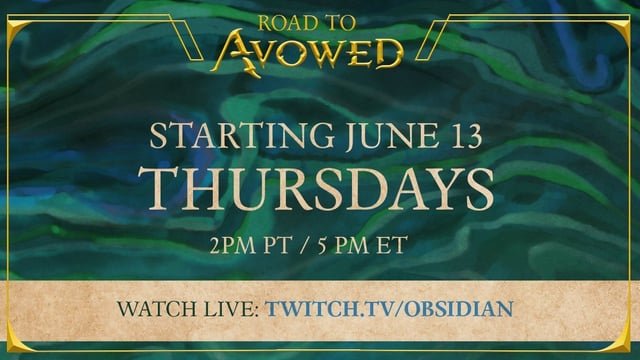
Avowed game development insights reveal a focus on first-person melee combat and narrative choices that directly impact gameplay, with Obsidian Entertainment emphasizing player agency.
Exploring the inner workings of game creation always proves fascinating, and this holds true for Obsidian’s upcoming title. The development process of Avowed offers some captivating perspectives into the studio’s design choices. We can see from the information shared so far how Obsidian crafted deep player experiences. Avowed game development insights showcase a commitment to immersive, player-driven stories. They focus on meaningful consequences arising from player decisions and actions.

Avowed Game Development Insights
Let’s dive deep into the exciting world of Obsidian Entertainment’s “Avowed”! We’re not just talking about playing the game here, we’re talking about understanding how it’s being made. It’s like getting a behind-the-scenes pass to see all the cool stuff that goes into creating a big fantasy adventure. We’ll be exploring the different pieces that come together, from the first spark of an idea to the final game we get to play. This journey will help you appreciate not only the game but also the immense effort and planning that developers put into their work. We will explore various aspects of game development relevant to Avowed, focusing on design choices, technical hurdles, and what makes it unique.
World-Building: The Lands of Eora
One of the most important parts of a fantasy RPG like Avowed is the world it takes place in. Avowed returns us to Eora, the same world we saw in the Pillars of Eternity games. But this time, we’re seeing a different region. Think of it like visiting a new neighborhood in a city you already know. We’re going to a place called the Living Lands. Obsidian is making sure the Living Lands feels like a real place with its own history, culture, and secrets.
Creating a Living, Breathing World
How do you make a fantasy world feel real? It’s not just about drawing pretty pictures. Obsidian uses lots of techniques. They think about things like:
- The History: What has happened in the past? Are there old wars, ancient ruins, or powerful magic that has shaped the land? These things create a sense of depth and make the world feel like it has been around for a long time.
- The Cultures: Who lives there? What do they believe? What do they do every day? The people of the Living Lands will have their own unique customs, languages, and ways of life. These make the world feel diverse and interesting.
- The Environment: What does the land look like? Are there big forests, high mountains, or deep rivers? The landscape itself should tell a story. It will also influence what kinds of creatures and plants can live there.
Obsidian puts a lot of effort into these details because they want players to feel truly immersed. They don’t want you to just walk through a place; they want you to feel like you are actually there, part of that world.
The Importance of Lore
Lore, or the backstory of a game, is very important in a rich RPG. It’s more than just words on a page. It is about weaving an interesting story through every aspect of the world. The lore guides things like:
- Character motivations: Why do characters do what they do? Lore provides the reasoning for their actions.
- Quest design: Why are you doing a specific quest? Lore explains the importance of each task and the impact you have.
- Environmental storytelling: What can you learn just by looking around? The lore permeates everything you see from ruins to villages.
Obsidian is known for crafting intricate and fascinating lore, and we can expect the same level of attention to detail with Avowed. It helps to make the world feel like it has a purpose and that your choices truly matter.
Combat Mechanics: A First-Person Perspective
Unlike their previous games which used an isometric, top-down view, Avowed is played from a first-person perspective. This means that you see the world through the eyes of your character. This changes how the combat feels a lot. It’s much more personal and requires different thinking on part of the player and the developers.
More Engaging Battles
The move to a first-person view was not just for change. It has some distinct benefits:
- Immersion: Being in the thick of the action makes battles feel more intense and engaging.
- Reaction: Players must react quickly and precisely to enemy attacks. Reflexes are more valuable now than before.
- Visceral Combat: Seeing weapons clash up close, and witnessing the full impact of a spell is different than before.
Mixing Magic and Melee
Avowed lets players combine magic and melee attacks in combat. This means you could be swinging a sword and then quickly blast a fireball at the same time. It gives players options and encourages trying out different styles. Obsidian’s development of the combat system is focused on making it both accessible and deep, so players of different skill levels can enjoy fighting in different ways.
Enemy Design and AI
It’s not just about how you fight, it’s also about who you’re fighting. The enemies in Avowed should be unique and challenging. Obsidian works on making enemy AI (artificial intelligence) smart. This means:
- Tactical Opponents: Enemies will use different strategies, forcing players to adapt.
- Variety: Different types of enemies will require different combat approaches.
- Teamwork: Some enemies might work together, making fights even more challenging and interesting.
Character Customization and RPG Elements
An essential part of any good RPG is the ability to make your character your own. Character creation in Avowed is a key element of the game’s design. This allows players to play the way they want to and creates more personal investment in their hero.
Defining Your Hero
In Avowed, you can customize your character in several ways:
- Appearance: Change how your character looks, including their face, hair, and body type.
- Skills and Abilities: Choose different skills and abilities, shaping your fighting style.
- Background: Select a background, which will impact your character’s story and relationships in the world.
Choices and Consequences
Your choices in Avowed should really matter. Like other RPGs, Obsidian has put a strong focus on how the decisions you make will affect the game world. This means your decisions can alter:
- Storylines: Your choices will influence how the story unfolds.
- Relationships: You will gain and lose favor with various characters based on your decisions.
- World state: Your actions could have lasting impacts on the Living Lands.
The Importance of Player Agency
Player agency is the feeling that you are in control and your actions have meaning. Obsidian aims to give players a high sense of agency in Avowed. It means you are not just following a pre-written script but are instead, playing an active role in shaping the world. This will make your game experience unique to you.
Technical Challenges and Innovations
Creating a game like Avowed is more than just creative work. It also requires a lot of technical skill. There are a ton of challenges that developers face to make sure the game runs well and looks good.
Optimization and Performance
One of the big challenges in game development is making sure the game runs smoothly. Developers must ensure the game runs efficiently on different hardware. This includes:
- Frame Rates: Keeping the game running at a smooth frame rate so that it isn’t choppy.
- Loading times: Making loading screens as quick as possible.
- Graphical Fidelity: Balancing beautiful graphics with game performance.
The Power of Game Engines
A game engine is the software that developers use to create a game. Obsidian is using the Unreal Engine for Avowed. This tool has lots of features that developers use to build games quickly. They include:
- Rendering Capabilities: Advanced tools for creating impressive visuals.
- Physics Systems: Making objects in the game behave realistically.
- AI Development Tools: Creating smart characters and enemies.
Overcoming Development Hurdles
Game development can have many unexpected challenges. These might include:
- Bug Fixes: Finding and fixing issues in the game.
- Time Management: Working within deadlines and making sure progress is being made.
- Team Coordination: Making sure all the different team members are working together efficiently.
These challenges require teamwork, problem-solving, and a deep commitment to quality. Obsidian makes it a priority to maintain this quality.
Sound Design and Music: Setting the Atmosphere
Sound and music are just as important as visuals in creating an immersive game experience. They help set the tone, create tension, and make the world feel alive. Obsidian takes this part of development very seriously.
Creating the Soundscape
The sounds you hear in the game should add to the experience. It will create a strong connection to the game world. This might include:
- Environmental sounds: The sounds of wind, rain, or wildlife.
- Weapon sounds: The clanging of swords and the whooshing of magic.
- Character voices: Voices that fit the character’s personality and background.
Music and Mood
Music plays a big role in setting the mood of a game. The right music can create a sense of excitement, danger, or peace. Obsidian works to ensure the music fits perfectly within each part of the game.
Sound and Immersion
The combination of sound design and music aims to immerse players deeper into the game world. The goal is to make it so that when you close your eyes, you can still picture being in the Living Lands and feel the game’s atmosphere.
Accessibility and Inclusivity
Game developers are working hard to make sure their games can be played by a large number of people, this is very important. Obsidian is trying to make Avowed a game that is enjoyable for everyone.
Making Games Accessible
Accessibility features help people with disabilities play games. These features can include:
- Subtitle Options: Allowing players to read dialog.
- Customizable Controls: Allowing players to change button layouts.
- Colorblind Modes: Adjusting colors for players with color vision deficiencies.
Promoting Inclusivity
Inclusivity means creating a game that represents a variety of people and experiences. Obsidian has also focused on making sure they’ve done this well by:
- Diverse Characters: Including characters from different backgrounds and with different abilities.
- Inclusive Storytelling: Creating stories that are interesting and relatable to everyone.
- Respectful Representation: Handling sensitive topics carefully and thoughtfully.
Looking to the Future: Post-Launch Support
The work of making a game does not stop at release. Obsidian plans to support Avowed with updates and new content after it’s out. This shows their commitment to the players.
Updates and Patches
After the game comes out, Obsidian will release updates and patches to:
- Fix bugs: Correct any issues that appear after launch.
- Improve performance: Making sure the game continues to run smoothly.
- Add new features: Introducing new content and gameplay adjustments.
Expanding the World
Obsidian may also create expansion packs or DLC to:
- Add new quests: Providing more adventures and story.
- Introduce new characters: Expanding the cast of the game.
- Explore new regions: Giving players new areas to see and things to do.
Avowed is an exciting project that brings together all of the aspects we talked about, from world-building and combat to sound design and accessibility. Obsidian is putting a lot of care and attention into every piece of the game. We will just need to wait and see what the final product looks like.
The level of detail in Avowed development showcases the hard work and passion that goes into creating a memorable game. The developers aim to transport us to a whole new world. Through world-building, immersive combat, and storytelling, Avowed will be a fantastic game that we can look forward to.
Avowed Game Devs Are Losing It…
Final Thoughts
Obsidian’s approach to Avowed prioritizes player agency through varied build options. They carefully craft intricate world lore, influencing gameplay deeply. Combat emphasizes tactical choices, not just button mashing, demanding strategic thinking from players. These choices reflect crucial Avowed game development insights focusing on reactive systems.
They also aim for a compelling narrative, weaving player decisions into the main story arc. Visuals enhance immersion, using art direction to bring the world to life. Obsidian actively develops complex systems as essential elements.

