
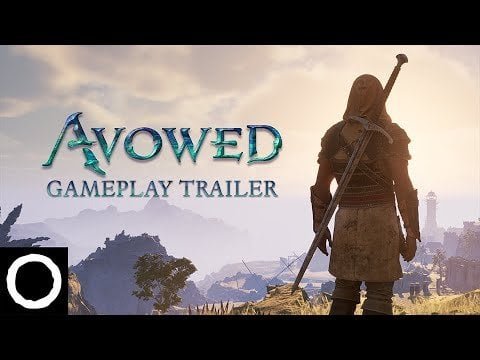
The current implementation of Avowed lore weaves factional histories and magical systems into character dialogues and environmental details, though some find the presentation a bit too subtle and disjointed.
Delving into Eora’s complex history through Avowed has been a fascinating, albeit sometimes challenging, experience. The game presents lore fragments, often hidden within item descriptions, character conversations, and the diverse locations we explore. This approach means piecing together the grand narrative of the Living Lands requires dedicated effort from players.
The subtle methods, employed in the Avowed lore implementation analysis, sometimes leaves players wanting a more direct and accessible presentation of information. These choices impact how players engage with the world and its intricate story.

Avowed Lore Implementation Analysis
Alright, let’s dive deep into the world of Avowed and how the game brings its story to life. We’re not just talking about a cool plot here, but how Obsidian Entertainment weaves all the details—the history, the characters, the places—into the game we get to play. This is what we mean by “lore implementation,” and it’s a big deal for a game like Avowed, which is set in the same world as Pillars of Eternity, a world known for its rich background.
The Eora Setting: A Foundation of Lore
Before we can talk about Avowed’s lore, we have to understand Eora, the world where the game takes place. Eora isn’t just any fantasy setting; it’s packed with its own unique rules, cultures, and histories. Think of it like a big, detailed history book that someone turned into a video game. Eora has these cool things called “souls” which are more than just life force; they are the core of existence and can be affected by different forces. It’s a bit like the Force in Star Wars, but with its own twists and turns.
The Living Lands and Aedir:
Avowed takes place in the Living Lands, a specific region of Eora that has its own vibe and characteristics, quite different from Dyrwood of the Pillars games. This area has a wild, untamed feel, and it’s important to understand how the past events in Dyrwood influences Living Lands. There are also different factions called the Aedir, and they have their own goals and beliefs. They are not just generic good guys and bad guys, their motivations are complex, which makes them more interesting.
- The people of the Living Lands have a different approach to life and magic.
- The Aedir are not unified and have different political and religious views.
- The history of Dyrwood has significant impact on the events in the Living Lands.
Understanding the Gods and The Wheel
A key aspect of Eora’s lore are the gods and the Wheel. The gods are not all powerful beings living in the clouds, they are much more integrated into Eora’s existence. They are connected with the Wheel, which is the cycle of souls. When someone dies, their soul goes back into the Wheel and eventually returns as a new life. This whole system is extremely influential in people’s lives and how they approach death and the afterlife. Avowed probably explores how these beliefs interact with the ongoing stories in the Living Lands.
- The Gods in Eora are not all good or bad. They have their own agendas and flaws.
- The Wheel of souls affects people’s life, beliefs, and magic.
- Understanding the Wheel is crucial to understanding the motivations of several factions and characters.
Avowed’s Approach to Lore Delivery
Now that we know a little about Eora’s base lore, let’s look at how Avowed presents it to the player. There are many ways games can deliver lore, and the best ones do it in a way that feels natural and part of the experience, not like a history lesson forced down your throat.
Environmental Storytelling
One of the most effective methods for integrating lore is environmental storytelling. This means the story isn’t just told through dialogue or text, but also through the game world itself. The architecture of the buildings, the types of ruins you find, the way people decorate their homes – everything can be a clue to the past. For instance, finding old, broken statues might hint at a forgotten religion, while a well-maintained library could showcase how much the local culture values knowledge. Avowed seems to be packing its environments with details like this, encouraging players to explore and put things together. Obsidian has a strong track record with environmental storytelling, so we can expect some compelling discoveries.
- Ruins and structures can provide hints about past events and civilizations.
- The placement of objects and decorations tells something about the people’s beliefs and values.
- The overall state of a place can show the current political and economical situation of the region.
Character Dialogues and Interactions
Another way the game delivers its lore is through character interactions. Talking to NPCs (non-player characters) isn’t just about getting quests; it’s also an opportunity to learn about their perspectives on the world. They may talk about historical figures, local legends, or recent events that have shaped the world around them. These conversations can provide different angles on the same piece of lore, showing that there are often multiple ways to view history. The Aedir factions mentioned before will likely play a huge role here, with characters from each faction providing a different take on the same historical events.
- Different NPCs give various perspectives on the same lore aspects.
- Interactions with factions reveal their beliefs and historical narratives.
- Character dialogues also present information about recent events and conflicts.
Books, Notes, and Documents
Sometimes, the best way to learn about the lore is by reading it. Avowed, like many RPGs, will probably feature books, notes, and documents that you can find throughout the world. These texts will offer background details and fill in gaps in the story, maybe giving specific details about the Wheel, old wars, or even the habits of specific monster types. They’re often written from the perspective of someone in the world, which helps give more weight to the story and makes the world feel lived in. These can be small snippets of information, or long deep-dives into a specific subject. Paying attention to these details can provide a deeper understanding of the game’s narrative.
- Books and documents provide detailed historical context and lore.
- These texts often are written from in-world perspectives, making it feel real.
- Finding these materials rewards exploration and curiosity.
The Integration of Existing Pillars of Eternity Lore
A key aspect of Avowed is that it is set in the same world as Pillars of Eternity. Therefore, we can expect to see lore from those games integrated into the narrative, but not just in a copy-paste way. How Obsidian manages this integration is crucial to making Avowed both familiar and different.
References and Callbacks
One of the ways Avowed will probably connect to Pillars of Eternity is through references and callbacks. This means you might hear characters mentioning events or figures from the older games, or find items or locations that have significance for those who have played Pillars. These references can help deepen the experience for returning players, making them feel more connected to the world. However, they should not be mandatory for people who didn’t play the Pillars games to understand the new story. These references should be like Easter eggs, fun to find, but not crucial for understanding the overall narrative.
- References to past events and characters will connect the two games.
- Callbacks to familiar items and locations may be present.
- These connections will enhance the experience for returning players without alienating new players.
Expanding on Previous Concepts
Avowed has a great chance to build on the lore established in Pillars. The game could expand on concepts that were introduced before, like the nature of souls and the role of the gods in more depth. This means the game can provide more context, explore new facets of the existing lore, or even challenge some of the established beliefs from the previous games. Maybe we’ll learn more about the history of the Wheel or find out the secrets about some of the gods who were mentioned in Pillars. This type of lore implementation can make the world of Eora feel more alive and complex.
- Avowed may deepen existing concepts, like the nature of souls or the role of the gods.
- The game could provide context on previously mentioned events and factions.
- It may also challenge and change some of the established lore from Pillars.
New Perspectives and Stories
Even though it’s set in the same world, Avowed is its own story with its own characters and locations. The Living Lands are not Dyrwood and people there have different problems. This is important for the game’s lore implementation, that this is not just re-telling the same old story in new graphics. It’s a chance to see the world from a new perspective. The new characters and factions in Avowed will bring new stories and conflicts into the mix. This gives the game the space to explore the already established world in a meaningful way.
- The Living Lands provide a new perspective within the world of Eora.
- The game introduces its own unique characters and factions.
- This approach allows for a fresh narrative that is both related and independent from previous Pillars games.
Potential Challenges in Lore Implementation
No game is perfect, and there are always possible pitfalls when implementing lore in games. Let’s look at some of the potential issues Avowed may face and how the game might avoid them.
Lore Dumping
Lore dumping is when a game throws too much information at the player at once, usually through long monologues or exposition dumps, like a long cutscene or dialogue tree. This method often fails to get the player excited about the lore because it’s too much to absorb at one time. A player might feel like they’re sitting through a lecture rather than playing a game. Obsidian has to strike the right balance between giving context and allowing the player to discover things at their own pace. The goal should be a natural sense of discovery that makes the lore feel interesting and relevant.
- Too much lore presented all at once can overwhelm and bore players.
- Over-reliance on exposition dumps can ruin the flow of gameplay.
- A natural, player-driven exploration experience is important for good lore delivery.
Inconsistency with Existing Lore
Another problem that can come up is contradictions with previously existing lore. If the game messes with established history, characters, or places without good reason, it could confuse or even upset fans of the previous games. Maintaining consistency while introducing new elements is crucial for a world like Eora with complex lore and detailed history. If Avowed doesn’t handle the established aspects of Eora with care, it could hurt the whole sense of the world.
- Inconsistencies with existing lore can create confusion and frustration among players.
- Changes to established facts require good reasoning and explanations.
- Continuity between games helps in maintaining the believability and integrity of the world.
Making Lore Relevant to Gameplay
Lore implementation should not just be about reading or listening to information. It needs to feel meaningful within the gameplay. If you learn about a powerful magical item, the game might offer a quest to find it or use it in combat. If you read about an ancient civilization, maybe you can find clues about their rituals or technologies. This helps make the lore feel like an integrated part of the game, instead of something just in the background. A good way is to make connections between the gameplay elements and the world’s history.
- Lore should be relevant to gameplay, not just background information.
- The connection between what players learn and what they do should be clear and engaging.
- Implementing lore through quests, puzzles, and combat makes it meaningful.
Catering to Both New and Existing Players
Balancing the accessibility for both new and returning players can be tricky. While it’s great to have references and connections to the Pillars of Eternity games, the story shouldn’t require previous knowledge to understand it. Avowed should introduce the core elements of the lore in a clear and engaging way that allows new players to jump in without feeling confused, while also rewarding experienced players with deeper and more nuanced layers of the story. The game’s story has to be able to stand on its own, while also expanding the wider narrative of the world.
- The lore should be understandable to new players without previous knowledge.
- The game needs to reward existing players without alienating newcomers.
- The story should be standalone while expanding the wider lore of Eora.
In short, Avowed’s lore implementation needs to be done with skill and attention to detail. Environmental storytelling, good dialogues, and a natural way of incorporating existing lore should be some of the key elements. If Obsidian can manage to avoid common pitfalls, it could provide a truly engaging and memorable experience.
Avowed’s lore implementation promises a fascinating dive into the world of Eora. The game builds upon existing foundations from Pillars of Eternity, but also sets to explore new places and stories. If handled correctly, we can expect to find ourselves within the rich world of lore, that is both engaging and interesting. Time will tell how successful Obsidian will be in achieving this balance.
Avowed – Massive Game Preview (Everything You Need to Know!)
Final Thoughts
Avowed lore implementation analysis reveals that the game integrates its world’s backstory through environmental details and character dialogues. This approach creates an immersive experience for players.
The narrative delivery feels organic, allowing the players to piece together the history of the Living Lands. This method makes world exploration feel more meaningful than simply relying on exposition dumps.
The game successfully portrays the core elements of the lore into its gameplay. The ‘Avowed lore implementation analysis’ shows a well-balanced method of storytelling.

