
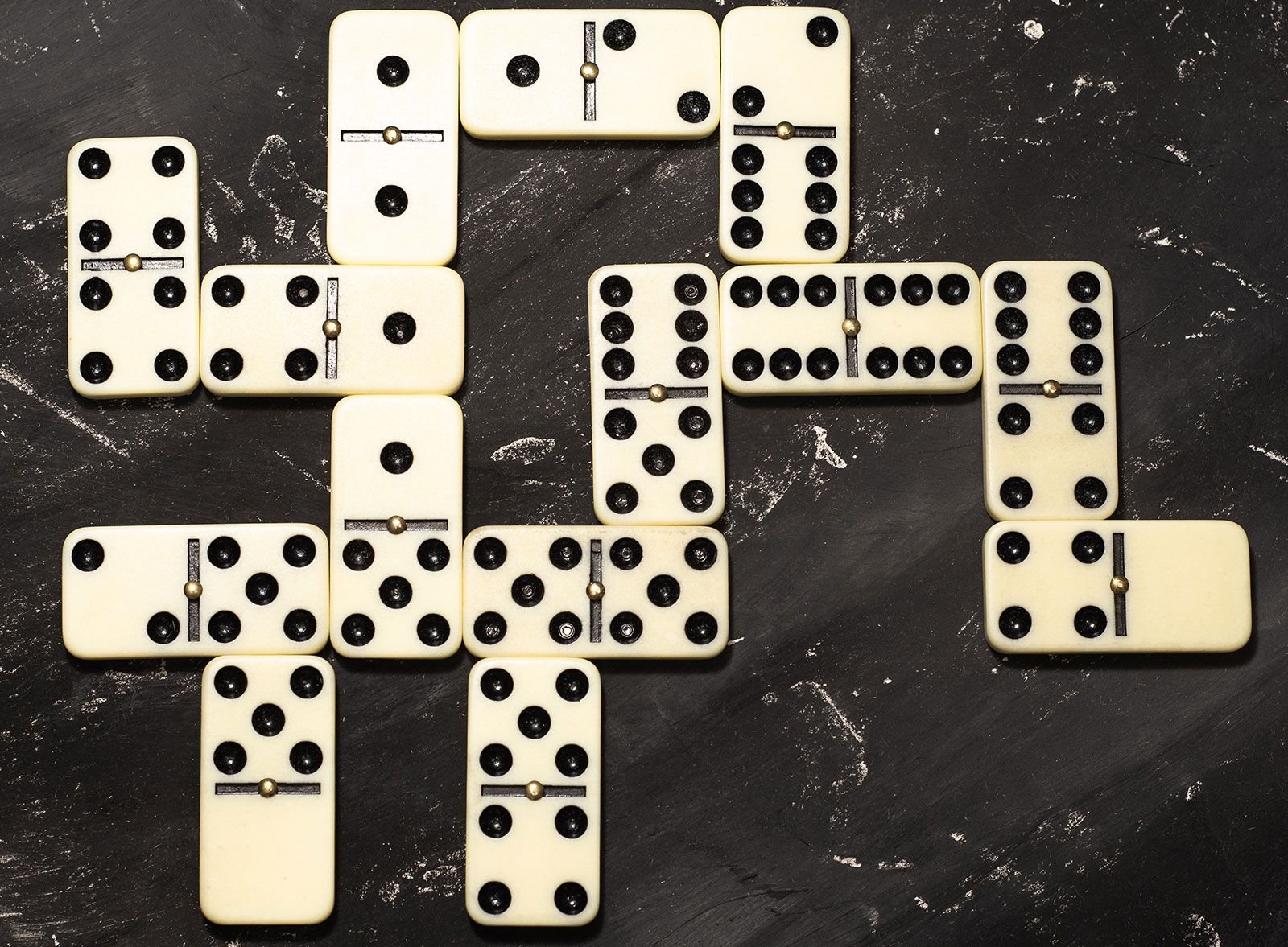
It’s impossible to pinpoint a single inventor of dominoes; the game evolved over time in China, with its origins tracing back to the 12th century.
Ever wondered who invented the game dominoes? It’s a question that often pops up during game nights. The truth is, the history of dominoes isn’t a simple story with one specific person claiming the invention.
Instead, the game has Chinese roots. Historians believe dominoes developed gradually, gaining popularity there many centuries ago. The game then travelled, changing along the way to become what we know it as today.

Who Invented the Game Dominoes?
The question of who invented dominoes is a bit like trying to trace the exact origin of a winding river. It’s not a simple answer with one person to thank. Instead, dominoes have a rich history with roots in different parts of the world. While we can’t point to a single inventor, we can explore the fascinating journey of how this popular game came to be. This journey takes us from ancient China to Italy and finally, to all corners of the globe. Let’s dive into the story!
Ancient Beginnings in China
The story of dominoes often begins in China, where evidence suggests the game, or something very similar, existed long before it appeared in Europe.
Early Chinese Tiles
Around 1120 AD, a nobleman named Kuo Chung wrote about ‘Pai Gow’, a set of tiles with spots on them. These tiles were often used for both games and divination, which is like telling the future. They weren’t exactly like the dominoes we play with today, but they were certainly a key piece of the puzzle.
Some historians believe that the Chinese tiles were inspired by dice, especially after they were introduced from India.
These early tiles were made from various materials, including ivory and bone.
Over time, different variations of these tiles evolved with some using different number systems as well as different spot colors.
The Evolution of Chinese Dominoes
The Chinese game of Pai Gow gradually developed its own distinctive features that set it apart from the European game.
Unlike the rectangular dominoes that are common today, Pai Gow tiles have a more square shape.
The Chinese version had a larger set of tiles with more varied spot patterns.
The game also included the concept of ranking of the tiles based on the patterns of spots on them. This is somewhat different to the way we play a domino match game with our standard dominoes.
Different provinces in China had unique variations in tiles and how to play the games with them.
Chinese dominoes were more than just a game for amusement; they were also used for important functions like gambling.
The Journey West: Dominoes in Europe
While dominoes had a long history in China, they eventually made their way to Europe, where they went through some changes and became the game we recognize today.
The Arrival in Italy
The first mention of dominoes in Europe appeared in the 18th century in Italy. No one knows exactly how or when dominoes made their way from China to Europe, but one theory suggests the trade routes along the silk road, with sailors carrying these tiles along with them.
The Italian versions of dominoes differed from the Chinese ones in a few ways such as the shape of the tiles. In Italy the rectangular tiles that we know today started to become more and more common.
It is believed that the name “dominoes” may have come from the black-and-white winter hooded cape worn by monks which were similar to the color of the most common domino tiles
Italian versions of the game became popular quickly and the game began to spread across the rest of Europe.
Dominoes Spreads Across Europe
By the late 18th century, dominoes were a popular game across different parts of Europe including England, France and Spain.
Different regions across Europe developed different rules and variations to the game of dominoes.
The game of dominoes quickly became more than just an upper class game and became increasingly more popular amongst people of all walks of life.
During this period, dominoes were no longer just used for games, they were also used for gambling.
Domino sets started to be made from a range of different materials like ivory, bone, and wood, which helped make the game available to more people.
This European adoption is crucial in the standardization of the game’s rules and its spread to other parts of the world.
Dominoes Beyond Europe
From Europe, dominoes continued their journey, becoming a worldwide favorite.
Dominoes in the Americas
European colonists and traders introduced dominoes to the Americas and the game quickly gained popularity in the United States as well as Latin America.
Different cultures in the Americas created unique styles and rules for their domino games, further enriching the game’s diversity.
Dominoes quickly became a part of the social fabric in many countries with people playing in social clubs and family gatherings.
Today, dominoes are a popular game in countries across the Americas such as Cuba, the Dominican Republic, and Puerto Rico.
The game has become part of the culture, with many variations being played in community gatherings and tournaments.
Dominoes in Other Parts of the World
Dominoes spread to many other parts of the world through trade routes and cultural exchange, becoming an important part of their traditions and games.
In various parts of Asia and Africa, local adaptations of the game emerged, incorporating unique rules and customs.
The spread of dominoes shows how culture and traditions travel, shaping the game in interesting ways as they adapt to the local tastes and customs.
Why Dominoes Became So Popular
The game of dominoes is very popular for so many different reasons. Here are some reasons why:
Simple Rules: The game rules are simple and easy to learn, making it accessible for people of all ages and backgrounds.
Strategic Play: While simple, dominoes also require strategy and planning, keeping players engaged and interested.
Social Interaction: Dominoes games are generally very social and engaging, promoting fun interactions and friendly competition.
Versatile Game: It can be played with just two people, but can also be played in larger groups of players.
Cultural Significance: It’s a game that has been embraced by many cultures around the world, and has become a part of local traditions and customs.
Portable and Durable: Dominoes are easy to carry around and can last for many years making the game available to play anywhere you like.
A Game of Skill and Luck: Although strategy and planning is important in dominoes games, there is also an element of luck in the draw of the tiles, making it accessible for less experienced and more experienced players.
Key Differences Between Chinese and European Dominoes
While both Chinese and European dominoes share some similarities, there are also distinct differences that highlight their unique history. Here’s a look at some of those distinctions:
| Feature | Chinese Dominoes (Pai Gow) | European Dominoes |
|---|---|---|
| Shape | Square | Rectangular |
| Size of Set | Larger (32 or more tiles) | Smaller (typically 28 tiles in a double-six set) |
| Spot Patterns | Different combinations and ranking systems | Based on doubles and combinations of 0-6 pips |
| Uses | Games, gambling, divination | Primarily games, some gambling |
| Cultural Significance | Deeply rooted in Chinese culture and traditions | Adopted and adapted by various cultures worldwide |
The Modern Dominoes Game
Today, dominoes are enjoyed in countless variations and forms all across the world.
Traditional dominoes with pips (dots) are still very popular, they are the most widely played version of the game, played by families and at social clubs around the world.
Other versions of the game feature different color spots, numbers, or even pictures on the tiles.
Dominoes are not just a game; they’re also used as inspiration for art and entertainment with many people using the tiles for domino art displays, as well as domino toppling events.
Online versions and mobile game applications of the game have also helped the game reach new people in the digital age.
In conclusion, while we can’t pinpoint a single inventor of dominoes, its history is a fascinating tapestry woven from various cultures and traditions. From the early tiles of China to the familiar rectangular pieces we play with today, the game has evolved and adapted over centuries. The game’s continued popularity is a testament to its simple yet engaging nature, making it a fun game enjoyed by people of all ages and backgrounds around the world. It is a journey of cultural exchange and adaptation, and a history that continues to add new chapters as dominoes are played by more and more people around the world.
The History of Dominoes
Final Thoughts
The exact origin of dominoes remains unclear despite popular narratives. Some believe the game developed in China as early as the 12th century. Others trace its roots to Italy in the 18th century, with some pointing to the Neapolitan game of “Domino.”
Ultimately, pinpointing who invented the game dominoes proves challenging. Various cultures and time periods contributed to the game’s evolution. It is a fascinating story of gradual development rather than a singular inventor’s creation.

