
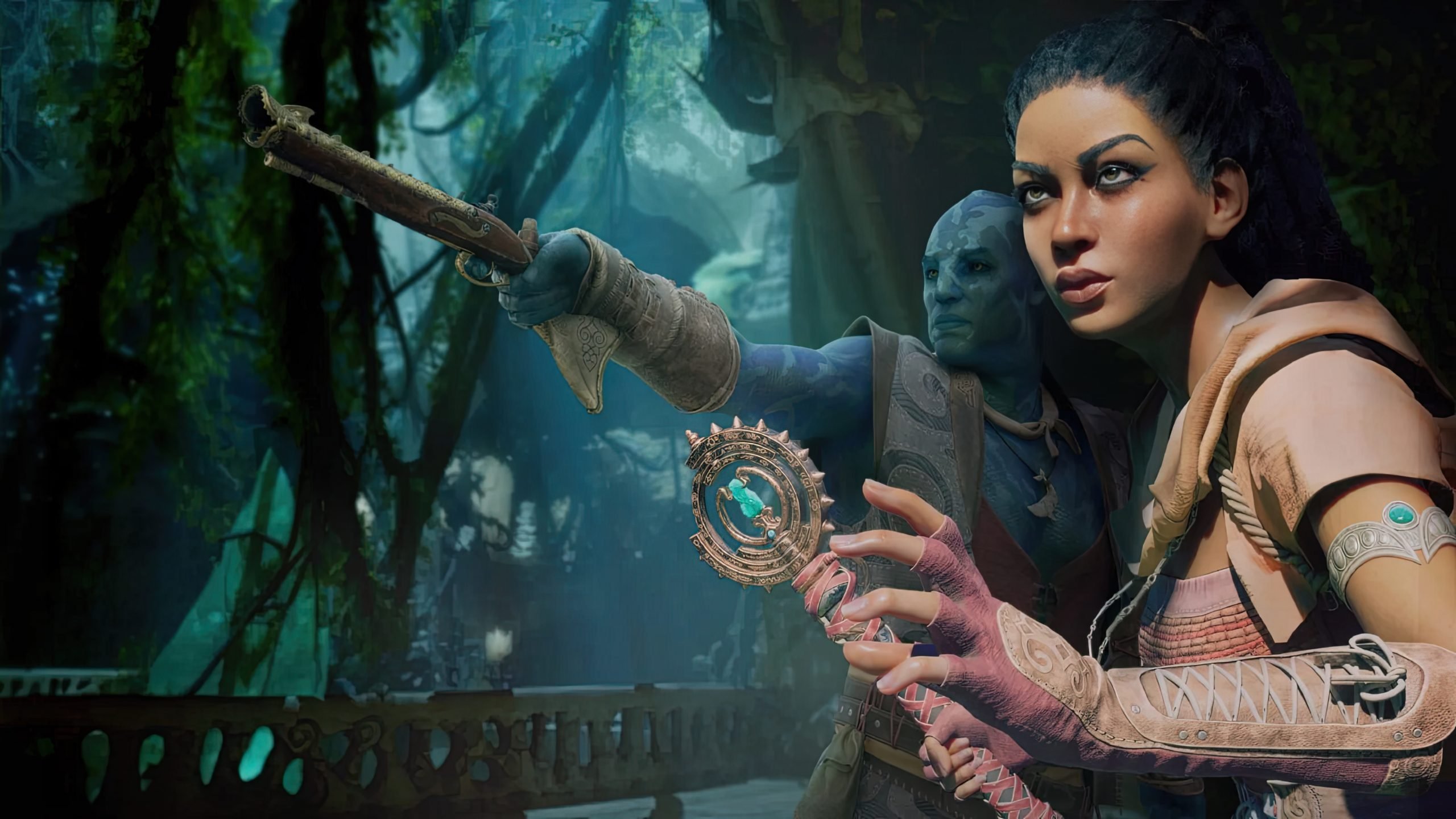
Avowed quest design analysis reveals a focus on player choice and reactivity, using branching narratives and varied objectives to offer diverse gameplay experiences.
Obsidian’s Avowed is generating considerable buzz, with many eager to dive into its world. We’re focusing on one key aspect of its potential appeal: the design of its quests. A close look at Avowed quest design analysis shows that developers crafted systems that emphasize player agency. This goes beyond simple fetch quests.
Players appear to have meaningful options which impact the storyline and outcome. Quests also offer various paths. This means actions affect the world and how the characters respond.

Avowed Quest Design Analysis
Let’s dive deep into the world of Avowed and explore what makes its quests tick. We’re not just talking about “go here, kill that, bring this back.” Instead, we’ll look at the different layers that go into making these in-game adventures fun and engaging. Think of it like taking apart a really cool toy to see all the pieces inside. We want to understand the structure, the storytelling, and the choices you get to make along the way. By doing this, we’ll get a better idea of what makes a good quest in a video game and what we can expect from Avowed.
The Core Components of a Great Quest
Before we zoom in on Avowed, let’s discuss some basics. What makes a quest enjoyable? A strong quest usually includes a few key elements: clear objectives, an interesting story, and meaningful rewards. It’s like baking a cake: you need the right recipe (objectives), tasty ingredients (story), and the sweet icing on top (rewards) to make it great.
Clear Objectives
First, a good quest tells you exactly what you need to do. Imagine a treasure hunt where the map is blurry, and the clues are riddles written in a language you don’t understand. Frustrating, right? A clear objective gives you a starting point, makes you feel like you’re making progress, and prevents confusion. This means that you understand your task, whether it’s rescuing a villager, finding a lost artifact, or defeating a scary monster.
Engaging Story
Next, the story adds flavor. A quest without a story is like eating plain bread; it gets the job done but isn’t very exciting. A good story hooks you in, makes you care about the characters, and gives meaning to your actions. The story tells you why you’re doing something and what’s at stake. Is it a personal journey for your character, or does it have huge consequences for the world around you? The story can use dialogue, cutscenes, or even environmental details to keep you interested.
Meaningful Rewards
Finally, the rewards have to be something you care about. This isn’t always about the loot you get, but how the quest makes you feel. Sure, finding a powerful sword is great, but what about the feeling of rescuing someone important? Or learning a secret that shifts your perspective of the world? These kinds of rewards, both physical and emotional, make you feel like your efforts were worth it.
Avowed’s Approach to Quest Structure
Now that we know the basics, let’s apply them to Avowed. From what we’ve seen so far, Avowed seems to be using a structure that’s familiar but with its own twist. Quests in this game, like many RPGs, will likely follow a basic formula, but the specific details will be important.
Main Quests and Side Quests
Avowed will probably have main quests, the important ones that advance the main plot of the game. These are the big storyline beats that move you from point A to point B and reveal more about the world’s story. In addition, there will almost certainly be side quests, which are smaller, optional adventures that let you explore the game world in more detail. Side quests usually help you learn more about the side characters and the lore and often reward you with loot, experience, and new locations to explore. The key is how these quests are intertwined, not only how big or small they are, but also how they connect to one another. Do the side quests add to the main story, or do they stand alone? How do the choices you make affect these quests?
Multiple Objectives and Branching Paths
Many modern RPGs, including what we have seen of Avowed, don’t give you a simple “go here, get this” type of quest, but multiple objectives that you need to complete. For example, you might need to search for clues to find a missing person, and each clue you find will lead you to another part of the map. Sometimes, these quests might have branching paths – your choices affect where the quest leads you. Maybe you can choose who to trust or how to approach a problem, and that changes the ending of the quest and the reward you get. Branching paths add replayability, where you’ll be able to go back and experience a quest in a new light, which gives the player more agency and a more personal connection to the story.
The Importance of Dialogue in Quest Development
Dialogue plays a vital role in many quests. You’ll learn a lot about the story and your objectives by talking to characters. The way a character speaks, the tone they use, and what they are willing to tell you can impact how you perceive the story. Dialogue choices might open up different paths, and your interactions with other characters can help determine the outcome of a quest. Do you be kind and gentle, or do you go all guns blazing?
Analyzing Avowed’s Quest Narratives
Beyond the structure, the story in a quest is what makes us care. Let’s think about the different ways Avowed might tell its stories.
Worldbuilding through Quests
One of the main reasons we play RPGs is to explore new worlds and learn more about them. The worldbuilding is done through the quests you undertake. Imagine a quest that takes you to an old, ruined city. Through it, you might discover the history behind the place and understand how the current world came to be. This can be done with dialogue, but also by the environment around you. The way a city looks, the abandoned items, and the ruins you find all tell a story, too. Worldbuilding through quests is a way to create a more immersive experience. It brings the history to life, rather than just showing it in a text dump.
Character-Driven Quests
A lot of quests in games are about people. Avowed might feature quests where you’re helping (or sometimes hurting) specific characters. These quests let you learn about their lives, their motivations, and their backstories. By interacting with these characters, the player gets emotionally invested in the world, especially if they have to make big decisions about what happens to the characters. Do you save a person’s child, even though it puts you in a dangerous situation? What if the person seems like they are hiding something from you, are you still going to help them?
Moral Choices and Consequences
A good RPG often provides us with tough decisions that don’t have an easy right or wrong answer. These moral dilemmas, or choices between equally bad options, can really make you think and feel the impact of your actions in the world. For instance, you may have to decide between two factions and choosing one might hurt the other. These types of difficult choices make the story feel more genuine because real life is full of tough decisions. The way Avowed handles these choices and their consequences will definitely have a huge impact on how people view the game.
Rewards and Player Progression in Avowed
Let’s discuss the rewards that we get from quests and how they contribute to player progress in Avowed.
Types of Rewards
Rewards come in various forms: Items, experience points, currency, new abilities, and narrative progression. Items can include weapons, armor, consumables, and other useful things. Experience points help your character grow stronger and might give you ability points to spend on new skills. Currency is usually used to buy items and equipment at shops. New abilities give you more options in combat and exploration. Finally, narrative progression means that the story keeps moving forward and that more is revealed to the player. All of these contribute to player progress. They make your character feel stronger, but also make the world feel more explored and understood.
Impact on Character Build
Your character build is how you want your character to play. Do you prefer to be a tank, absorbing hits, or do you prefer a fast and deadly build? The rewards you get from quests should impact your character build. Maybe you can only find specific armor for a particular playstyle in a certain quest chain. This encourages you to seek out quests and lets you create a character that really fits your playstyle.
Long-Term Player Engagement
Good quest rewards not only give you immediate satisfaction, but also keep you playing for longer. For example, if a quest gives you a rare item that you want to use, you’ll be more likely to keep playing. Some quests might even unlock new areas to explore or new quest lines, creating an interconnected world that is fun to play in and makes you want to keep learning more. This creates a cycle that allows for long-term player engagement.
Potential Innovations in Avowed’s Quest Design
While a lot of games follow the same quest design principles, there’s room for Avowed to innovate and try something new. Let’s consider some ways they might go about this.
Dynamic Quests and Events
Dynamic quests or events are ones that change based on your actions and the choices you make. Instead of a set quest that follows a pre-determined path, quests could adapt to how you play the game. For example, if you’re known as the “kind hero” in the game, then characters might treat you differently than if you were known as a “villain.” Perhaps these quests would even have varying degrees of difficulty that change based on your actions in the game.
Environmental Storytelling and Hidden Quests
Environmental storytelling involves telling a story through the world around you. Perhaps there are secrets hidden in the environment that unlock a hidden quest, or a quest might reward the player for exploration. Instead of a quest marker directing you to a place, maybe there are only clues or a whisper from a local character about an interesting location, or even a hidden quest.
Quests That Change the Game World
Some games have quests that leave a lasting impact on the world. Maybe a big quest changes the map or the way other characters react to you. For example, if a city is destroyed during a quest, that might permanently alter the area or change the quests available there. This level of change gives weight to player choices and make the game world feel dynamic and realistic. This allows the game to feel like the player is actually having a substantial effect on the world, rather than being a passive observer.
By carefully examining Avowed’s quest design, we can see that it has the potential to be a very engaging and immersive RPG. The combination of strong storytelling, impactful choices, and meaningful rewards is what makes a great quest. We will have to wait and see if Obsidian’s execution matches its ambition in this highly anticipated game. The design of the quests will be one of the main things that will make or break the game, and we will have to wait and see if Avowed is able to live up to the hype.
Avowed – Massive Game Preview (Everything You Need to Know!)
Final Thoughts
Avowed’s quest structure appears fairly standard, employing common fetch and kill tasks. Side quests often lack narrative depth, focusing on simple objectives. Main story missions provide more engaging scenarios.
Overall, the quest design offers functional, albeit uninspired, gameplay. Avowed quest design analysis reveals a need for greater creativity to truly engage players. Future iterations could improve with more complex and nuanced objectives.

