
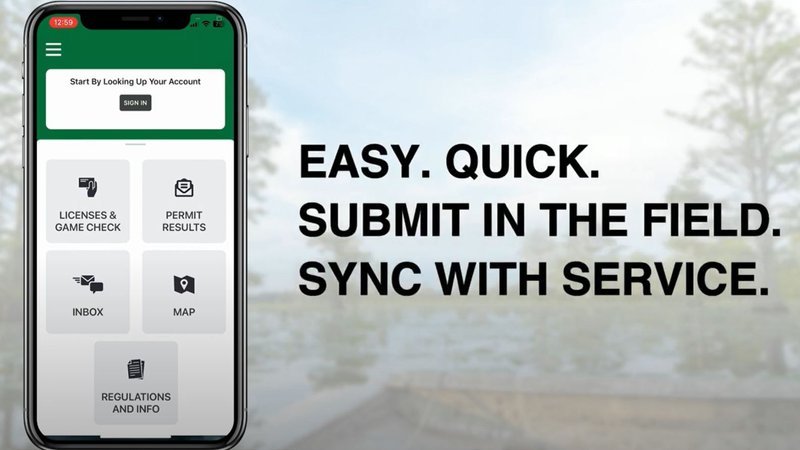
Yes, a game warden can look up your fishing license electronically using their database.
Ever been out on the water, reeling in the big one, and suddenly wondered if a game warden could check your fishing license? It’s a common question that pops into many anglers’ minds. The thought of having to physically produce your license might cause some anxiety.
Luckily, modern technology provides an answer to the question “can a game warden look up your fishing license?”. They often have access to digital databases. This means they can verify your license status quickly and efficiently, often with just your name and date of birth.

Can a Game Warden Look Up Your Fishing License?
Let’s dive into a topic that often pops up for anglers: Can a game warden really look up your fishing license? The short answer is, yes, they can! But it’s a little more complicated than just waving a magic wand. Game wardens, also known as conservation officers or wildlife officers, have important jobs. They are there to protect our natural resources, like fish and wildlife. This means they need ways to check if everyone is following the rules.
The Power of Technology
Gone are the days when wardens relied solely on paper copies of fishing licenses. Today, they use technology that’s similar to what police officers use. They have access to databases that store information about fishing licenses. This technology allows them to quickly verify if someone has a valid fishing license. This saves time and helps them focus on other important tasks.
How Does it Work?
Imagine a game warden stops you while you’re fishing. Here’s what they might do:
- Ask for your license: First, they will ask to see your fishing license, just like a police officer asks for your driver’s license.
- Check the physical license: They might look at the physical license to make sure it hasn’t been tampered with. They will check the name and expiration date.
- Use a device: Wardens usually carry devices, like a smartphone or a special handheld scanner, that connect to a central database. They might input your license number, or they could scan a barcode, depending on your state or region’s regulations.
- Confirm your information: The device will show the warden your name, address, the type of license you have, and when it expires. They can also see if you have any past violations.
Why is This Important?
It might seem like a hassle to have your license checked, but it’s crucial for several reasons:
Ensuring Fair Play
- Protecting Resources: Fishing license fees help fund conservation efforts, like stocking fish and managing wildlife habitats. Making sure everyone has a license ensures these programs can keep going.
- Preventing Overfishing: By monitoring who is fishing, wardens can help prevent overfishing. Overfishing can harm the ecosystem and lead to fewer fish in the future for all of us.
- Fairness for all Anglers: When everyone follows the rules, it creates a more level playing field. No one can take advantage of the system unfairly.
Enforcing Fishing Regulations
- Catch Limits and Size Restrictions: Fishing licenses are often tied to specific regulations, such as catch limits, size restrictions, and what types of bait you are allowed to use. Having a way to verify your license enables game wardens to effectively enforce these rules.
- Fishing Seasons and Closed Areas: Licenses also enable the wardens to verify if someone is fishing in the right place, at the right time. Game wardens also monitor for people fishing during closed seasons or in closed areas, which are important for fish populations to replenish.
- Specific Species Protection: In many areas, certain fish species might have special protections. Having a license system lets wardens easily check to see if anglers are following these specific regulations.
Safety of our Waterways and Lands
- Preventing Illegal Activity: Wardens also use their ability to check licenses to prevent illegal activities, such as poaching and illegal netting.
- Promoting Responsible Outdoor Activities: By enforcing laws and regulations, game wardens help promote safe and responsible outdoor activities for everyone.
Different Types of Fishing Licenses
Fishing licenses are not one-size-fits-all. There are different kinds of licenses, based on:
Residency
- Resident Licenses: If you live in the state, you usually pay less for a license.
- Non-resident Licenses: If you’re visiting from another state or country, you’ll need to purchase a non-resident license, which typically costs more.
Age
- Adult Licenses: Standard licenses for adults.
- Youth Licenses: Often available at reduced prices for children and teenagers, Sometimes, there are specific age restrictions, for example, children of certain age might not need a license.
- Senior Licenses: Some regions offer discounts for senior citizens.
Duration
- Annual Licenses: Valid for one year.
- Short-term Licenses: Some licenses are available for a day or a week. These are great if you’re on a short vacation.
- Lifetime Licenses: Available in some areas, these licenses allow you to fish for your lifetime for a one-time fee.
Specific Types
- Freshwater Licenses: Allows fishing in lakes and rivers.
- Saltwater Licenses: Allows fishing in the ocean or bays.
- Combination Licenses: Some licenses allow you to fish in both freshwater and saltwater areas.
- Special Species Licenses: If you want to fish for certain species, such as salmon or trout, you might need a specific stamp or endorsement on your license.
The types of licenses available and their associated cost vary greatly by region. It is critical to carefully review the regulations for the area that you intend to fish. Often, states’ wildlife or natural resource agencies will have this information on their website. It is always best to make sure you have the correct licenses before you go fishing, to avoid unnecessary fines or penalties.
What Happens if You Don’t Have a License?
If a game warden discovers you are fishing without a license, it’s not going to be a pleasant experience. The consequences for fishing without a valid license can be severe.
Fines and Penalties
- Fines: You will likely receive a fine. The amount of the fine depends on your location, and whether you are a first-time offender.
- Court Appearance: In some areas, you might need to appear in court.
- Suspension of Fishing Privileges: You might be temporarily banned from fishing in the area. In more serious instances, the ban might be for several years.
- Possible Jail Time: In extreme cases, such as repeat offenses, you could even face jail time.
Confiscation of Equipment
- Fishing Gear: The warden might confiscate your fishing equipment, like your rod, reel, and tackle.
- Boat or Other Items: In certain situations, they might even confiscate your boat or other items used during the infraction.
Respecting Game Wardens
It is also very important to treat game wardens with respect. They are just doing their jobs. They work hard to protect the resources we all enjoy. Here are some ways you can show respect:
Be Cooperative
- Politely present your license: When a game warden asks for your license, be cooperative. Don’t argue or get upset.
- Answer truthfully: Answer their questions honestly. It’s always best not to lie to a game warden, and it can lead to additional penalties.
Be Prepared
- Have your license easily accessible: Keep your license in a safe and easily reachable place. This can help save time during checks.
- Know the regulations: Familiarize yourself with the fishing regulations for your area. This will help avoid accidental violations.
The Future of Fishing License Checks
Technology is constantly evolving. Game wardens are always trying to use the best technology available. In the future, we may see:
Digital Licenses
- Mobile Apps: Many regions are introducing digital licenses which can be stored on your phone.
- QR Codes: Scanning of your licenses will be much quicker if it has a QR code.
Enhanced Data Systems
- More Detailed Tracking: Improved database systems will provide more detailed information on fishing activities and locations.
- Faster Verification: Faster verification processes that will allow wardens to quickly check licenses.
These changes will help game wardens work more efficiently, and that, in turn, helps preserve our environment. Always remember, having a fishing license is more than just a legal requirement; it supports conservation and responsible angling. When we all do our part and follow the rules, we make sure that fishing is enjoyable for everyone, now and in the future.
In short, a game warden can absolutely look up your fishing license, and they have many good reasons for doing so. It’s a vital part of protecting our environment and ensuring fair play. The next time you are out fishing, make sure you have your license ready, and always remember that responsible behavior is essential to protecting the outdoors.
GAME WARDEN LICENSE/ FISH CHECK!!! WHOSE FISH ARE THESE BACK HERE??? #trout #dfw #warden #nature
Final Thoughts
Game wardens certainly can access databases to verify your fishing license status. They use this information to ensure compliance with regulations. It is a vital aspect of their job.
Therefore, can a game warden look up your fishing license? The short answer is a definite yes. This ability aids them in maintaining fair and sustainable fishing practices. You must have your license accessible when asked.

