
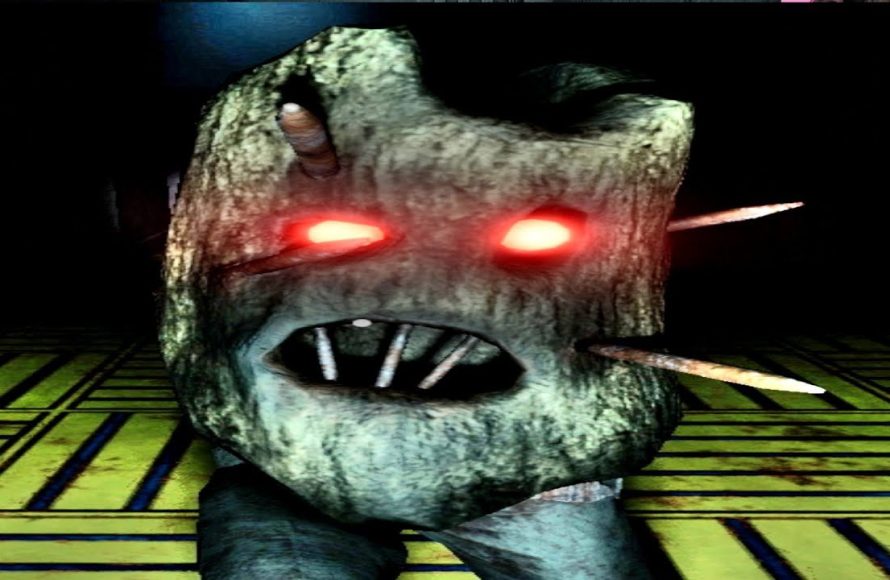
No, while The Stanley Parable contains unsettling and thought-provoking moments, it is not typically considered a horror game.
Is The Stanley Parable a horror game? This is a question many ponder after experiencing its unique narrative. Players often encounter bizarre and existential situations during their playthrough. Some find the game unsettling, even disturbing, due to its meta commentary and unpredictable nature.
However, despite these elements, most categorize it as a comedy-adventure title instead. The game focuses more on player choice, and existential questioning, rather than jump scares or typical horror tropes. Thus, the game leaves players more amused than terrified.

Is The Stanley Parable a Horror Game?
Okay, let’s dive into the twisty world of The Stanley Parable and figure out if it’s actually scary. You might have heard people call it a comedy, a puzzle game, or even a walking simulator. But horror? That’s a bit of a head-scratcher. At first glance, it doesn’t have the usual monsters, jump scares, or creepy music that you’d expect from a horror game. But, trust me, there’s more going on beneath the surface. This game messes with your head in ways that are far more unsettling than a zombie popping out of a closet.
The Absence of Typical Horror Elements
Let’s start by looking at what The Stanley Parable doesn’t do. It doesn’t have those classic horror tropes. There aren’t any blood-soaked rooms, terrifying creatures lurking in the shadows, or sudden loud noises designed to make you jump out of your chair. You won’t find yourself running from a chainsaw-wielding maniac or solving puzzles to escape a haunted house. These absences alone can make it seem like the game is definitely not horror. It’s almost like a game made to show off the absence of such elements.
No Jump Scares, But Still Unsettling
The game uses a totally different approach to try to get under your skin. It relies more on psychological elements and existential dread rather than the common, in-your-face scares. You are constantly questioning your role and your choices. The narrator’s voice is a constant companion. Sometimes he’s helpful, sometimes he is mocking. Sometimes you feel like he is manipulating you. This constant uncertainty about the game and your role in it creates a feeling of unease that can be more potent than any jump scare.
The Mundane Office Setting
Most of the game happens in a sterile, empty office building. You have endless hallways, meeting rooms, and stairwells that look so identical it’s easy to get lost. There isn’t much of the usual spooky atmosphere we see in horror games. The lack of any visual ‘horrors’ in the environment highlights how different the game is to the usual scary titles. In fact it is the mundane repetition of the office environment that becomes a part of the unnerving experience.
The Psychological Horror of Choice and Control
This is where The Stanley Parable truly shines, or should we say, darkens. The game isn’t about the monsters, it’s about you and the choices you make or don’t make. It toys with your sense of control. Do you follow the narrator’s instructions? Or do you go against him and forge your own path? The game plays on our deepest fear: the fear of not having any control. The game challenges you to think about your own choices, and whether we even have a choice at all.
Breaking the Fourth Wall
The game constantly breaks the fourth wall, which means it directly addresses the player. The narrator talks to you, the person holding the controller or using the mouse. He questions your decisions and comments on your actions. It’s as if the game is staring right back at you, observing your every move. This feeling of being watched and judged is a central part of the game’s unsettling atmosphere. This fourth wall breaking adds a whole another layer to the experience and makes the user think and analyse their actions in the game and in real life.
The Illusion of Freedom
One of the biggest tricks the game plays is giving you a sense of freedom. You feel like you have all these options, all these choices to make. However, as you play, you realise that many of those choices lead to similar results. You’re in a maze that only appears to have exits. This idea of free will and how much control you actually have is a part of the horror of the game. It can cause a kind of existential horror when you begin to ponder whether your actions are truly your own.
Existential Themes and Unsettling Narratives
Beyond the meta commentary and fourth-wall breaks, The Stanley Parable grapples with some very deep, existential themes that can be deeply disturbing. It examines the nature of existence, the purpose of life, and the meaning of choice. It asks you hard questions. The narratives explore themes of conformity, meaninglessness and what it means to live a life with a lack of free will. While not explicit horror, these themes resonate in ways that can be more chilling than any cheap scare.
The Narrator as an Unreliable Guide
The Narrator is a key element of the unsettling atmosphere. He’s often sarcastic, manipulative, and doesn’t always tell the truth. Can you trust him? Can you trust what you see or what you think you are controlling? The game constantly forces you to question whether your actions are truly your own or pre-determined by the game. This makes the feeling of unease a lot stronger. The Narrator’s ability to warp the reality of the game is a core part of why it can be seen as a horror experience.
The Void of the Office
The empty office building can actually be a really scary place. It represents the feeling of being trapped in a mundane, pointless routine. The lack of people and the repetitive environment create a feeling of isolation and hopelessness. The office becomes a symbol of this modern, existential dread where your actions have no real meaning. This symbolic nature of the office adds a very dark layer to the game’s overall experience.
Exploring Different Endings and Their Impact
The Stanley Parable is known for having multiple endings, some of which are disturbing and thought-provoking. These are not just simple game over screens. Each ending often presents a different interpretation of the story. They add to the game’s overall unsettling feeling, especially when they get to the root of your player expectations. Let’s check out a few and see how they contribute to the ‘horror’ feel.
The “Freedom” Ending
Some of the endings, such as the “freedom” ending can be quite disorienting and terrifying. You feel like you are in control, but then that control is pulled away without you knowing why. It often feels like you are being mocked, which can be a very isolating feeling. The game plays with your expectations of a classic “happy ending”. And the way that the game can subvert it is terrifying.
The “Confusion” Ending
Certain endings deliberately leave you confused and uncertain. These endings highlight the absurdity of our choices within the game. They are designed to be illogical and disorienting. The lack of explanation creates a sense of unease and existential dread. The player is left wondering what is happening, what it all means, and why their actions feel so pointless.
The “Broken” Ending
Some of the endings break the game itself in very unusual ways. You may find that the game restarts, or the text disappears, or that the screen is full of bizarre, unreadable patterns. These endings really emphasize that you’re not in control, even of the game itself. It adds another layer of unease to an already unsettling experience.
Why It Might Not Be Considered Traditional Horror
While The Stanley Parable uses elements that definitely create a sense of unease, it is understandable why it’s not seen as traditional horror game. It does not rely on jump scares or gore. It doesn’t feature typical monsters or villains. Its methods are much more subtle and cerebral. Here’s a quick rundown of why people might not consider it a horror title:
Lack of Visual Scares
The absence of visually terrifying elements makes it difficult for many people to classify The Stanley Parable as horror. People often associate horror with graphic visuals, which are absent from this title. Its focus is on messing with your head through narrative and metafictional elements, not on visual shocks.
More Meta Than Scary
The game’s primary focus is on metacommentary, questioning the nature of video games, choice and narratives. It’s a story that comments on itself. That commentary might be unsettling and thought-provoking, but some players wouldn’t consider it ‘scary’. The themes are more philosophical than explicitly horror focused.
Comedy and Absurdity
There is a good deal of comedy in the game. It uses humour and absurdity to make its points, which can make it less frightening to some people. These lighthearted moments might even distract from the underlying unsettling themes. The mix of comedy and horror makes it difficult to place it within any specific genre.
So, Is it Horror? It Depends On Your Perspective
The Stanley Parable is a difficult game to pin down, and whether you consider it a horror experience is largely dependent on what you consider horror. It definitely lacks the traditional scares that most people associate with the horror game genre. But, in its own unique way, it is a profoundly unsettling experience. It creates dread through its themes, metacommentary, and the feeling of having no control over your own actions in the game.
A New Kind of Horror
Ultimately, The Stanley Parable might fit more into a specific subset of horror: psychological or existential horror. This is a type of horror that gets under your skin, not through violence or jump scares but by making you question your own reality and your own existence. It’s horror that stays with you long after you’ve finished playing. The Stanley Parable makes you think about control, free will, the purpose of life, and the reality of being a player in a game. These questions are disturbing and can linger in the player’s mind for a very long time.
In the end, whether you think The Stanley Parable is a horror game is up to you. But it’s definitely a game that will make you think. It will question your assumptions about what games can do and what your role is within them. Even if you don’t call it a horror game, you will agree it offers a unique and memorable experience.
if the stanley parable was a horror game
Final Thoughts
Ultimately, the game’s unsettling atmosphere, coupled with its existential dread and manipulation, makes a compelling case. The feeling of being watched and controlled, a common horror trope, is very much present.
Is Stanley Parable a horror game? It teeters on the edge, offering more psychological discomfort than jump scares. While not overtly frightening, its themes and the player’s must engage with them can be profoundly disturbing. The game plays with expectation in a way very few do.

