
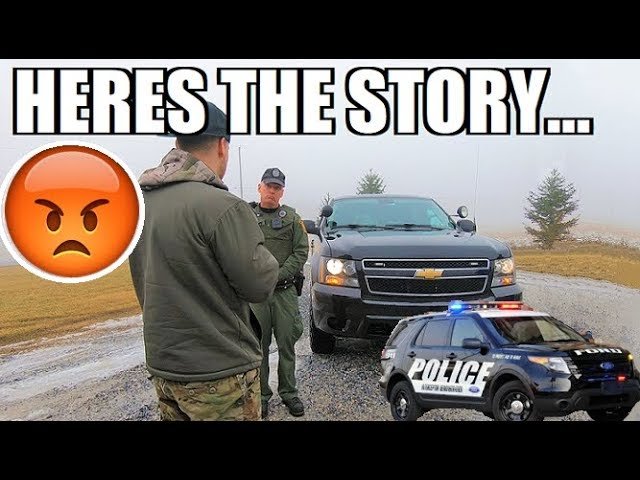
Yes, a game warden can pull you over for speeding if they observe a violation occurring within their jurisdiction.
Ever wondered about the extent of a game warden’s authority? Specifically, can a game warden pull you over for speeding like a regular police officer? The answer might surprise you, as their powers often extend beyond just hunting and fishing regulations.
Game wardens are law enforcement officers with specific jurisdiction. Their role often involves enforcing traffic laws in areas they patrol. So, if you are driving too fast in a place under their watch, they have the right to stop you.

Can a Game Warden Pull You Over for Speeding?
The question of whether a game warden can pull you over for speeding is a bit more complicated than a simple yes or no. It largely depends on where you are and what specific powers the game warden has in that area. Game wardens, also often called conservation officers or wildlife officers, primarily focus on enforcing laws related to hunting, fishing, and protecting natural resources. However, their authority can sometimes extend beyond just these areas. Let’s dive deeper into understanding their role and when they might pull you over for speeding.
Understanding the Role of a Game Warden
Game wardens are state or federal law enforcement officers whose main job is to protect wildlife and natural resources. They ensure that hunters and anglers follow regulations, like having the correct licenses and sticking to bag limits. But they do much more than just check licenses. They investigate poaching, manage wildlife populations, enforce environmental laws, and educate the public about conservation efforts. Their daily routine often involves patrolling remote areas, forests, lakes, and rivers where they may encounter people traveling at different speeds, sometimes within their jurisdictions.
Primary Responsibilities of Game Wardens
- Enforcing hunting and fishing regulations
- Investigating wildlife crimes, such as poaching
- Protecting endangered species and their habitats
- Managing wildlife populations
- Educating the public about conservation
- Responding to wildlife emergencies
- Enforcing park and recreational area rules
Game Warden Authority: It Varies by Location
The key thing to understand is that the power a game warden has can differ dramatically depending on which state or even specific region you are in. Each state establishes its own regulations, and these regulations dictate the extent of a game warden’s law enforcement authority. Some states might grant game wardens full police powers, which includes the ability to enforce traffic laws, like speeding. In other states, their authority might be more limited, focused mainly on violations related to natural resources and wildlife.
Full Police Powers vs. Limited Authority
In states where game wardens have full police powers, they are essentially certified law enforcement officers. This means they’ve completed law enforcement training programs and have the authority to pull over vehicles for speeding, running stop signs, or other moving violations. They will also have the authority to make arrests for other crimes that they might witness.
However, in states with limited authority, a game warden’s ability to pull you over for speeding may be restricted. They might only be able to pull you over for speeding if it occurs in a specific area, such as a state park or wildlife management area where they have clear jurisdiction over all the activities, including traffic. Or, they might only be able to pull you over for speeding if they are specifically assisting a local sheriff or police department. In this case, the game warden is acting on the behalf of another law enforcement agency and will make the pull over by that specific agency’s rules.
State-Specific Examples
To better illustrate this variation, let’s look at how a few different states handle game warden authority:
- Example 1: State with Full Police Powers: In many states, game wardens have the full power to enforce traffic laws. For example, in some areas of the US, if a game warden sees you speeding on a public road within their jurisdiction, they can legally pull you over, issue a citation, and they are also trained to handle situations.
- Example 2: State with Limited Authority: Some state game wardens may not be able to pull you over for speeding on a public highway. However, if you were speeding on a park road or within a managed wildlife area, they likely would have the authority to pull you over there.
- Example 3: Hybrid Approach: Some states might have game wardens who have specific traffic authority. For example, a game warden might be able to pull over a vehicle if the speeding violation is related to an ongoing investigation of a hunting or fishing violation, or if they see someone acting recklessly that might endanger wildlife.
Where Can Game Wardens Exercise Their Authority?
The location of the violation is just as important as the type of violation. Game wardens typically patrol areas that are under their jurisdiction, such as:
- State Parks
- National Forests
- Wildlife Management Areas
- Public Lakes and Rivers
- Designated Recreational Areas
- Certain Public Roads in the designated jurisdictions
While they may have the authority to act in some areas, they generally do not have the same kind of broad authority that city or county police do over all roadways in the area. For example, a game warden’s authority to stop vehicles may be significantly reduced outside of their designated patrol area.
Why Might a Game Warden Be Concerned About Speeding?
While it might seem like speeding is solely a traffic issue, it can directly impact the responsibilities of a game warden. Speeding in natural areas can pose a danger to wildlife, particularly during breeding season or when animals are crossing roads. It can also cause damage to habitat and other valuable natural resources. Here are some reasons why speeding can be a concern for game wardens:
- Wildlife Safety: Fast-moving vehicles can injure or kill animals, especially deer, rabbits, birds, and other smaller wildlife.
- Habitat Protection: Driving off-road or on unpaved roads at high speeds can damage habitats and ecosystems.
- Recreation Safety: Speeding in areas where people are hiking, fishing, or camping can create a risk of accidents.
- Poaching: Speeding away from areas can be a sign of illegal hunting or fishing. Game wardens are always on the look out for suspicious activities.
- Public Awareness: Game wardens need public help to be aware of wildlife rules, they may choose to issue a warning to drivers they stop. They are trying to keep people aware of how to stay safe around wildlife.
How to Tell if a Game Warden Has Pulled You Over
Identifying a game warden can sometimes be different from identifying a city or state police officer. Game warden vehicles are usually marked with state conservation agency logos or names, such as Fish and Wildlife, Department of Natural Resources, or Wildlife Resources Agency. They often drive pickup trucks or SUVs, as opposed to traditional police cruisers. Their uniforms may also vary. Some may wear traditional police-style uniforms with badges, while others might wear more outdoorsy clothing. In some states, it might be very difficult to identify a game warden. If a game warden is pulling you over in an unmarked vehicle, you might be worried that it is not a real police officer, so you could call 911 to ensure the police officer is legitimate.
Here are some common ways to identify a game warden vehicle:
- Look for official logos or markings, such as “State Conservation,” “Fish and Wildlife,” or similar names.
- Be aware of vehicles such as pickup trucks or SUVs, often equipped with equipment related to their duties.
- Observe the attire of the officers: Uniforms may be different, but will always feature some type of law enforcement or conservation identification.
- Pay attention to emergency lights and sirens. Just like police, game wardens use these to signal for you to pull over.
What To Do If a Game Warden Pulls You Over
Whether you’re pulled over by a game warden or a traditional police officer, your actions should be very similar. Here’s what you should do:
- Pull Over Safely: As soon as you see the lights and hear the siren, pull your vehicle safely to the side of the road as soon as you can. Avoid stopping on curves or in places that might block the flow of traffic.
- Stay in Your Vehicle: Remain inside your car unless the game warden instructs you to get out. Don’t reach for your wallet or start moving around in the vehicle.
- Be Cooperative: Follow the instructions of the game warden. Be polite and respectful, and don’t be afraid to ask questions.
- Provide Requested Documents: If requested, provide your driver’s license, registration, and any other paperwork that might be required. If you are in an area where hunting or fishing is allowed, be prepared to show your licenses and any required permits.
- Do Not Argue: It’s never a good idea to argue with a law enforcement officer. If you believe you’ve been treated unfairly, you can address it later through proper channels.
- Listen Carefully: Listen to the game warden explain why you were pulled over. They may just be doing a traffic stop and not have any intention to write a citation.
- Do Not Admit to Violations: Don’t admit guilt or make any statements that could be used against you later.
Staying Aware and Respectful
When enjoying the outdoors, it is important to be aware of your surroundings and to be respectful of the laws and regulations that are in place. This will help ensure that everyone can enjoy the natural resources and wildlife for many years to come. Speeding in these areas, even if it is not always against the law, can cause a variety of safety problems and that is why law enforcement officers will act to stop the speeding. Understanding the role of game wardens and their authority will ensure you are acting with compliance.
Here are some general tips for avoiding any issues with game wardens:
- Follow speed limits and traffic rules, especially in natural and recreational areas.
- Check local regulations before you go. Be sure you understand all the rules for specific areas where you plan on traveling.
- Be mindful of wildlife and drive carefully in areas where animals are present.
- Respect natural habitats and avoid activities that can cause harm.
- Be honest and cooperative if you are approached by a game warden or any other law enforcement officer.
Understanding whether a game warden can pull you over for speeding involves knowing the specifics of your location, their jurisdiction, and their granted authority. Remember that their primary mission is to protect wildlife and natural resources. They may also be tasked with enforcing traffic laws to help carry out their main purpose. If you follow the rules of the road and the rules for that specific area, you should be in good shape.
Ask Trooper Steve: Can wildlife officers pull you over in Florida?
Final Thoughts
Generally, game wardens primarily enforce wildlife laws. They often have limited authority concerning traffic violations. However, some states grant them power to enforce certain traffic laws, including speeding, in specific areas or circumstances.
Therefore, while not always their primary focus, a game warden can pull you over for speeding, depending on the jurisdiction. It’s crucial to be aware of local regulations. Ultimately, it’s always important to drive responsibly and obey all traffic laws.

