
‘While unusual, it is theoretically possible for exceptional DLC to win Game of the Year if it fundamentally alters and elevates the base game.’
Can DLC win Game of the Year? It’s a question that sparks debate among gamers and critics alike. We often see expansions that add to existing experiences, but can one truly stand alone as the best of the year?
The idea of downloadable content taking the top prize is not mainstream, yet some expansions drastically improve or even redefine games. This makes the situation more complex.

Can DLC Win Game of the Year?
The idea of a downloadable content (DLC) pack taking home the coveted Game of the Year award is a fascinating one. For years, Game of the Year awards have primarily recognized standalone games – the ones that come in a box or as a full download, with a beginning, middle, and end. But what about those amazing add-ons that build upon existing games, adding new stories, characters, or gameplay mechanics? Could a DLC truly be good enough to snag the ultimate prize? Let’s explore this exciting possibility.
What Exactly is DLC?
Before we dive deep, let’s make sure we’re all on the same page about what DLC actually is. DLC, or downloadable content, is extra material created for a video game after it’s been released. Think of it like extra chapters in a book or bonus scenes in a movie. It’s designed to expand upon the original game, offering new experiences and challenges for players who want more. DLC can come in many forms:
- Story Expansions: These add new chapters to the main story, often featuring new characters, locations, and quests. Think of them as mini-sequels within the original game’s world.
- Gameplay Additions: These introduce new game mechanics, vehicles, weapons, or abilities to the existing gameplay. They might give you new ways to play a game you already know and love.
- Cosmetic Items: This type of DLC includes skins for your characters, outfits, or other visual changes. They mostly change the way the game looks and don’t affect gameplay.
- Level Packs/Maps: These add new places to explore or new maps to battle on, often adding to the variety of gameplay.
- Character Packs: These let you play as new characters in the game, each with their own unique abilities.
DLC is generally purchased separately from the main game, sometimes as an individual pack, or as part of a season pass that includes several additions. It’s a way for developers to keep a game alive and engaging for a longer time. But can these add-ons be more than just extra content? Can they be so amazing that they’re worthy of Game of the Year?
The Traditional Game of the Year Criteria
Game of the Year awards are normally given to games that demonstrate excellence in several areas. These usually include:
- Innovation: How original and fresh is the game’s idea? Does it bring something new to the table?
- Gameplay Mechanics: How fun and engaging is the gameplay? Is it smooth, responsive, and easy to get into?
- Storytelling: Does the game have an engaging story and memorable characters? Is the plot interesting and well-written?
- Graphics and Presentation: How good does the game look? Is it visually pleasing, and does it immerse you in its world?
- Technical Performance: How well does the game run? Does it have bugs or glitches?
- Impact: Does the game have a lasting effect on the player and the wider gaming community? Is it something people will remember and talk about?
Typically, judges look for a complete package that excels in all these areas when selecting a Game of the Year. It’s a holistic view that considers every aspect of the game. This can be a challenge for DLC, as it by its very nature, builds upon an already-existing foundation.
Why DLC Faces an Uphill Battle
While some DLC can be incredibly impactful, it typically starts with a slight disadvantage in the race for Game of the Year. Here’s why:
- Reliance on the Base Game: DLC inherently needs a base game to work. The quality of the DLC is often tied to the quality of the game it’s expanding. Even the best DLC can’t fix a fundamentally bad game, and if the base game has flaws, it can bring down the experience of the DLC.
- Scope and Scale: DLC is typically smaller in scale than a full game. It doesn’t have the opportunity to build a whole new world, create new systems, and write a completely original plot. It works within the framework of the original game. This means DLC’s impact might be less because of the shorter size compared to a standalone game.
- Perceived as “Extra Content”: Many people see DLC as just “more of the same” rather than a whole new experience. The word ‘downloadable content’ itself suggests something supplemental, not a prime contender for awards. This perception is an obstacle that DLC creators have to overcome.
- Accessibility Requirements: People need to own the original game to play the DLC, which means there’s a barrier to entry. This limits how many people can experience the DLC compared to the main game. This can also lead to the DLC being compared to the base game and judged as an add-on rather than an independent entity.
The Arguments For DLC Being Game of the Year Worthy
Despite the challenges, there are very compelling arguments to be made in favor of DLC deserving of Game of the Year recognition. Here’s what proponents often point to:
- Enhancing the Original Experience: Great DLC can actually make the original game significantly better. It can fill gaps in the story, provide more engaging gameplay, and give new perspective to existing characters. It has the ability to build upon the foundation and make the game better than it originally was.
- Standalone Quality: Some DLCs are so well-made that they could almost stand alone as complete games in their own right. They offer hours of new content, with all the things that would usually make a good game, like storytelling and gameplay. This can make them very competitive in terms of quality.
- New Perspectives: DLC often adds to the narrative by allowing players to experience events from different points of view or delve into unexplored stories. They can provide much more insight into the world and characters, enhancing the whole experience.
- Technical Prowess: High-quality DLC requires considerable work and expertise in design, coding, and artistic vision. Good developers take the time and effort to create a DLC that’s as well-made as any full game.
- Refining Mechanics: Sometimes DLC can fix issues with the original game by improving mechanics or removing problems. The developers can respond to players’ feedback and improve on the things that needed improvement in the original game.
Examples of DLC That Could Make a Case
While it hasn’t happened yet, several DLCs have come close to the recognition typically reserved for full games. Here are some examples that have pushed the boundaries of what DLC can be:
The Witcher 3: Blood and Wine
This expansion for The Witcher 3 was so extensive and self-contained that many players thought of it as its own full game. With a whole new map, characters, and quests, Blood and Wine provided a satisfying conclusion to Geralt’s story. It pushed the boundaries of what DLC could accomplish and has been celebrated for its story and open world.
The Elder Scrolls V: Skyrim – Dragonborn
Dragonborn was a huge content pack for Skyrim. It introduced players to a new island, new questlines, new enemies, and new stories. This DLC was really well-received for expanding the lore and the player experience.
Bioshock Infinite: Burial at Sea
This two-part expansion for BioShock Infinite took players back to Rapture, the iconic setting of the first BioShock. It also tied the stories of the BioShock games together in a deep way, and that was something many gamers liked. It delivered some very interesting storytelling.
Dark Souls: Artorias of the Abyss
Considered by many fans to be an essential part of the Dark Souls experience, Artorias of the Abyss introduced a brand new area with new challenges. The difficulty was well-suited to the original game and was a real addition to the experience.
Cuphead: The Delicious Last Course
This DLC added new areas, a new playable character and more challenges to the original Cuphead. The challenging yet fun gameplay was just as enjoyable as the original game, and many players and critics have praised it for this.
The Future of DLC and Awards
As games continue to evolve, so does the idea of what DLC can be. Developers have continued to push the boundaries, creating add-ons that are just as substantial and meaningful as full games. The line between an expansion and a sequel is getting blurred. Here’s what we might see:
- Larger, More Ambitious DLC: DLC will continue to be more grand, with bigger maps, longer stories, and new game mechanics, coming closer and closer to the scope of a full game.
- Standalone DLC Experiences: We may see DLC designed to be more independent from their base games, offering more complete experiences that can stand on their own.
- More Recognition of DLC Quality: Award ceremonies might start giving more consideration to DLC for recognition. As DLC continues to improve, there will be a need to find ways to acknowledge these achievements.
- Shifting Player Perceptions: As the quality of DLC increases, so will the perception that it’s not “just extra content.” Players are already beginning to recognize great DLC when they see it, and this will probably have a positive effect on award considerations.
Is It Possible?
So, can DLC win Game of the Year? While it’s a tough road, it is certainly possible. It would take a truly exceptional piece of DLC – something that not only expands on the original game but also offers a groundbreaking experience on its own. The DLC would need to have significant impact and quality.
Perhaps one day, a DLC will come along that not only rivals full games but surpasses them, rewriting the rules and taking home the grand prize. It’s an exciting possibility to think about and one that highlights the ongoing growth and improvement of video games. The future of DLC looks bright, and the potential for a DLC to win Game of the Year might be closer than we think.
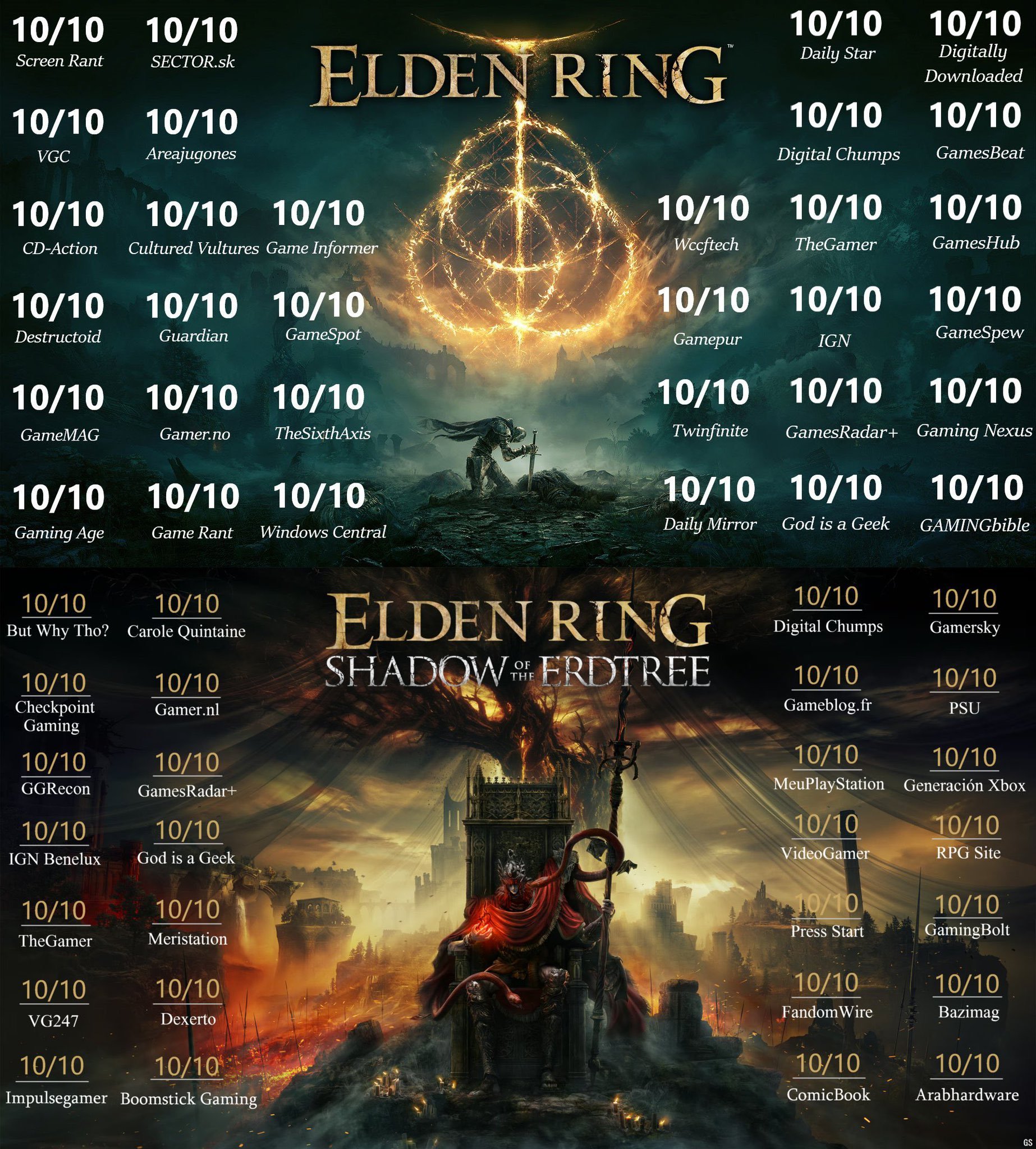
Will Elden Ring's DLC Win GAME OF THE YEAR? #eldenring #shadowoftheerdtree
Final Thoughts
DLC rarely wins Game of the Year. Standalone expansions sometimes achieve this, but typically only if their quality rivals a completely new game. A main game must always impress more.
The question of ‘can dlc win game of the year’ remains largely theoretical. While exceptional DLC can enhance an already great game, it rarely possesses the broad scope and originality needed to surpass the original title.

