
Absolutely, DLCs can win Game of the Year awards if they offer a substantial and innovative experience that rivals full games.
The gaming world buzzes with anticipation each year for Game of the Year awards. But a question often surfaces, can DLCs win Game of the Year? We usually associate GOTY with standalone titles, but what if an expansion is so phenomenal it surpasses all expectations?
This debate sparks a conversation about what truly defines a game’s greatness. Some argue a DLC is inherently supplemental, while others say exceptional content should always be rewarded. Let’s explore the possibility of DLCs achieving the ultimate gaming accolade.

Can DLCs Win Game of the Year?
The idea of a downloadable content (DLC) pack winning a prestigious Game of the Year award might sound a bit unusual. After all, these awards usually celebrate the full, standalone game experiences. But when we look at how much DLCs can change and enhance a game, especially in terms of story, gameplay, and even cultural impact, it opens up an interesting discussion. Can these add-ons truly stand on their own and compete with complete games?
Defining What Makes a DLC ‘Game of the Year’ Caliber
Before we dive into whether DLCs can win awards, it’s important to understand what makes a DLC truly special. It’s more than just extra levels or a new character. A top-tier DLC often brings significant value, pushing the game in exciting new directions. Here’s what we often see in a DLC with high potential:
- Substantial Content: Think hours, not minutes. A great DLC adds considerable playtime, often rivaling the size of some smaller, standalone games. This might be through new areas, storylines, or game mechanics.
- Compelling Narrative: Does it tell a great story? Exceptional DLCs don’t just add to a game’s existing narrative; they expand upon it or introduce a completely new perspective, with engaging characters and plotlines.
- Innovative Gameplay: A great DLC might introduce completely new game mechanics, weapons, or skills. They can even alter the way we play the base game itself.
- High Production Values: Top-notch DLCs should look, sound, and feel like a premium addition to the main game. Quality in graphics, voice acting, and music is key.
- Meaningful Impact: The best DLCs don’t just offer extra content; they enrich the experience and leave a lasting impression on the game and the player.
These elements transform a DLC from simple add-on content into a real contender in the gaming landscape.
The Current Landscape of Game Awards
Game of the Year awards usually have certain criteria and focus. Most awards focus on a complete experience, meaning they primarily consider a full game rather than a piece of it. Here are some typical parameters for award consideration:
- Originality and Innovation: How fresh is the concept? Does the game do something new or unique?
- Narrative Strength: How engaging and well-written is the story?
- Gameplay Mechanics: How smooth and enjoyable is the experience?
- Technical Achievement: How well does the game perform, visually and aurally?
- Overall Impact: How memorable and influential is the game?
Given these criteria, winning a major Game of the Year award is a tough challenge for a DLC. However, we’re seeing a shift as DLCs are becoming more expansive and integral to the games they supplement.
Why DLCs Often Face an Uphill Battle
Despite some DLCs having massive scope and high quality, several factors make their award journey more difficult. Let’s look at some common hurdles:
The ‘Add-On’ Perception
The name itself, “downloadable content,” positions them as supplementary. They are often seen as just extra pieces rather than complete games, even if they are massive. This perception can be hard to shake among award voters.
Dependence on the Base Game
A DLC, by definition, requires the base game to be playable. Award committees might think that they must credit the base game’s success in their review of the DLC, making it harder for the DLC to shine on its own merits.
Award Show Categories
Most award shows don’t have a dedicated “Best DLC” category, making them fight for recognition in categories primarily for full games. This makes the competition very tough.
Less Visibility
While many people will buy popular DLCs, they often don’t have the same marketing budget as full releases. This results in less visibility to critics and award voters, impacting the chances of their recognition.
DLCs That Could Make a Case
However, some DLCs could potentially break the mold and be award contenders. Let’s explore some scenarios where this could happen:
Standalone Expansions
Some DLCs are basically expansions, providing enough new content to almost be considered a standalone game. These expansions may feature new maps, stories, characters, and gameplay mechanics that feel like a fresh gaming experience within an existing world. If an expansion of this scale is popular and critically acclaimed, it could definitely contend.
Transformative Content
A DLC that radically changes the main game, perhaps with new game modes or entirely different ways to play, has a stronger claim to stand alone. It goes beyond basic content and changes the fundamental nature of the entire game. Imagine a tactical DLC transforming a simple shooter or introducing an entire crafting system into an action game. These game changers can garner attention.
Unforgettable Narratives
A DLC featuring an engaging story, with new characters and a complex plotline, can have a strong cultural effect. If the writing, acting, and direction are award-worthy, the DLC might grab the attention of award voters.
The Power of a Game’s Legacy
If a DLC releases years after a base game but returns the game to critical and popular relevance, it can make a big statement. For instance, an expansion to an older game that becomes a cultural phenomenon again might challenge the norm and push for award recognition.
Examples of DLCs That Pushed Boundaries
While a DLC hasn’t yet won a major Game of the Year award, many have demonstrated the potential, pushing the boundaries of what add-on content can be. Here are some noteworthy examples that showcase their impact:
The Witcher 3: Wild Hunt – Blood and Wine
Considered by many to be more than just a simple expansion, Blood and Wine added a huge new area, Toussaint, with a captivating story, compelling characters, and significant gameplay changes. This expansion was so well-received it won several awards in the “Best Expansion” or “Best DLC” category, showcasing the potential of high-quality add-on content.
Red Dead Redemption: Undead Nightmare
This DLC took the open-world Western experience of Red Dead Redemption and added a zombie apocalypse. It introduced an entirely new story, new mechanics, and new enemies, turning the original world into a survival experience. It has been praised for being essentially a game in itself.
BioShock Infinite: Burial at Sea
This two-part DLC revisited the world of BioShock Infinite, telling a compelling narrative that connected the series’ past to the present. It was praised for the high quality of its story, design, and atmosphere, demonstrating that DLCs could have the same impact as a full-fledged game.
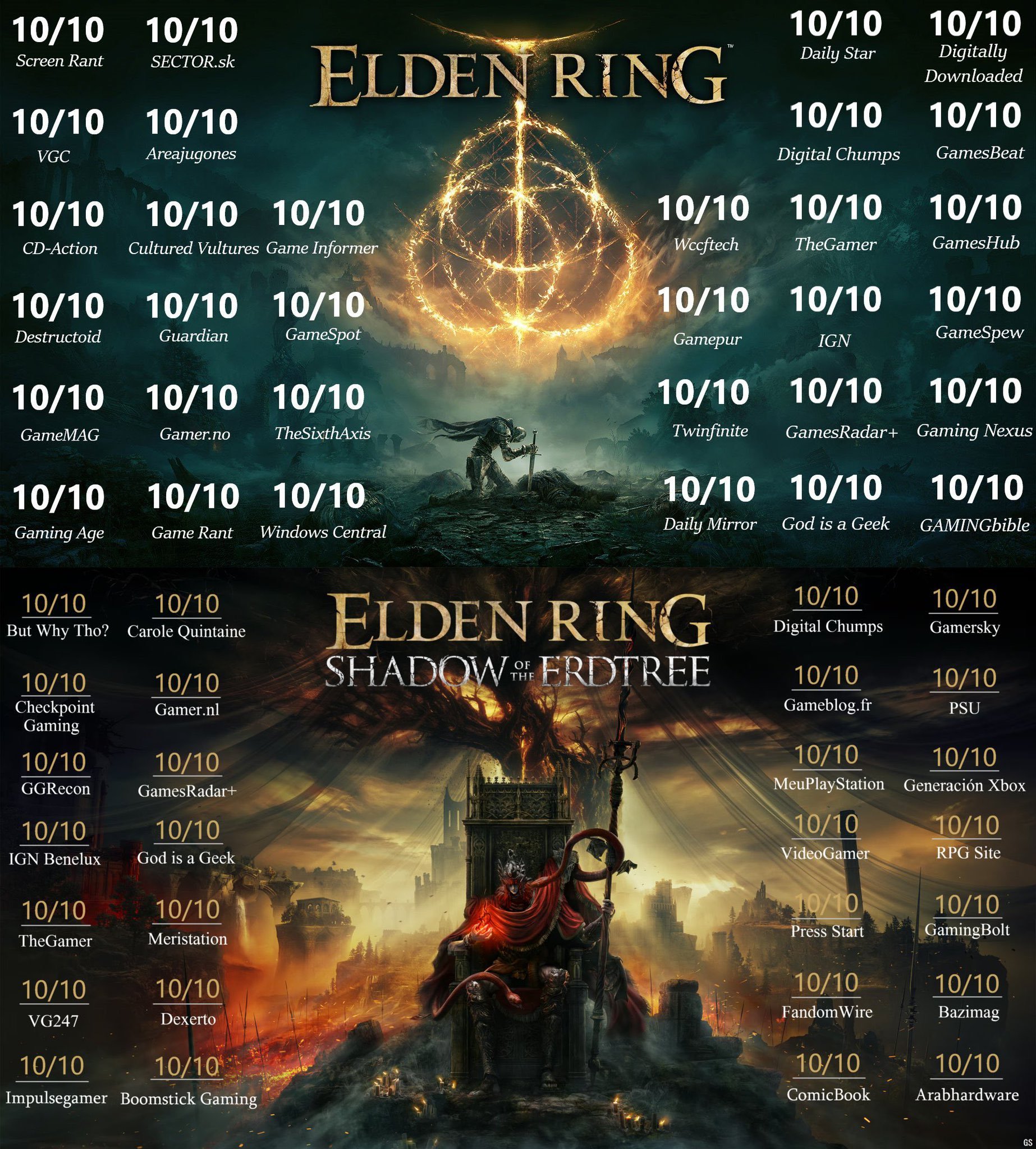
Elden Ring: Shadow of the Erdtree
With its upcoming release, and given FromSoftware’s track record, the highly anticipated Shadow of the Erdtree for Elden Ring could be a game changer. If it delivers a substantial, high quality experience, it will be a strong case for the power of DLC expansions, and might even be the first DLC to win a major GOTY award.
What Needs to Change for a DLC to Win GOTY?
For a DLC to win Game of the Year, some shifts in both how we perceive DLCs and how awards are structured might be needed. Here are some ideas:
- Award Category Changes: Perhaps introducing a “Best Expansion” category as a major award could help high-quality DLCs gain recognition. This would let them compete with each other on their own merits.
- Perception Shift: We need to move away from the view that DLCs are “just add-ons”. When a DLC is bigger and better than many standalone games, it deserves the same consideration as them.
- Emphasis on Value and Content: Critics and award judges may need to think more about the value and content quantity of a DLC, instead of simply judging based on it being an expansion.
- Clearer Award Criteria: Award organizations should create clearer guidelines that give DLCs a fair shot at being recognized.
By making these changes, the game industry could be more open to recognizing the innovation and quality that many DLCs bring to the table.
The Future of DLCs
The future of DLC is bright. As games get bigger and more complex, DLCs are no longer simply minor add-ons; they are evolving into crucial components of the complete gaming experience. We are likely to see bigger, better, and more ambitious DLCs that challenge the very definition of “expansion.” With this development, the chances of DLCs being serious award contenders will improve.
While it is still a long road for a DLC to win Game of the Year, the possibility is real, and it is time for the gaming industry and award shows to adapt to the evolving world of video game content. A top quality, innovative, and truly groundbreaking DLC may someday win the top prize.
CAN A Video Game DLC WIN Game Of The Year?
Final Thoughts
Ultimately, a DLC’s quality must be exceptional for Game of the Year contention. Strong narrative and gameplay innovations become essential for making a mark.
Expansions often face an uphill battle against full games. The core experience is where judges usually focus their attention.
Therefore, can dlcs win game of the year? It is certainly possible, but extremely challenging. It needs something extraordinary to surpass its base game.

