
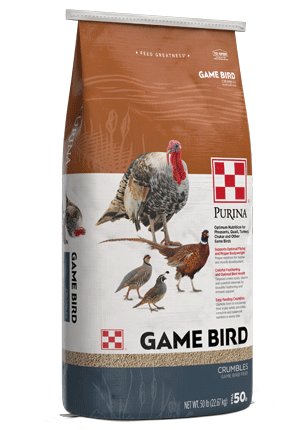
Yes, ducks can eat game bird feed, but it should not be their primary food source due to its high protein content.
Have you ever wondered if your feathered friends can share a meal with other birds? Many people who keep both ducks and game birds often ask, can ducks eat game bird feed? It’s a valid question, given the differences in their nutritional needs. While game bird feed provides good protein, it’s designed for different life stages and needs, mostly for growth and reproduction in game birds.
Ducks have their own specific dietary requirements, making it crucial to provide them with a balanced diet. So, offering game bird feed occasionally as a treat might be okay. But, always consider the overall health of your ducks.

Can Ducks Eat Game Bird Feed?
Figuring out what to feed our feathered friends, especially ducks, can be a bit of a puzzle. You might be looking at a bag of game bird feed and wondering, “Can ducks eat this?” The short answer is: it’s complicated. While game bird feed can be part of a duck’s diet, it’s not the perfect meal for them. Let’s dive into why that is, and what you should keep in mind if you’re considering using game bird feed for your ducks.
Understanding Game Bird Feed
First, let’s get clear on what game bird feed actually is. This type of feed is specially made for birds like pheasants, quail, and turkeys. These birds are often raised for hunting or for meat production. The nutritional makeup of the feed is designed to help them grow quickly and stay healthy in those conditions. Game bird feed is usually higher in protein than other types of bird feed. This is because game birds need a lot of protein for muscle development and feather growth, they are very active birds.
Key Components of Game Bird Feed
- High Protein Content: Game bird feed typically contains 20% to 30% protein. This high level helps game birds grow fast. Common protein sources include soybean meal, fish meal, and meat byproducts.
- Moderate Fat Levels: Fat content is usually moderate, around 3% to 7%. Fat provides energy but too much can be unhealthy for the bird.
- Vitamins and Minerals: Game bird feed includes vitamins and minerals necessary for good health, such as calcium for bone growth, and vitamins A, D, and E for overall well-being. These are important for healthy growth, strong bones, and good vision.
- Grains: Grains like corn, wheat, and sorghum are often used as the main carbohydrate source. These provide energy for the birds to stay active.
Why Game Bird Feed Is Not Ideal For Ducks
Now that we know what’s in game bird feed, let’s talk about why it’s not a duck’s best food option. While it won’t immediately harm them in small amounts, regularly feeding ducks game bird feed can cause problems.
Nutritional Imbalance
Ducks have different nutritional needs than game birds. They need a more balanced diet with a different ratio of protein, fat, and carbohydrates. Ducks, especially when not raised for meat, don’t require the high protein content found in game bird feed. The excessive protein can cause various health issues for ducks.
The Problem With Too Much Protein
- Rapid Growth: Excessive protein can make ducklings grow too quickly, leading to skeletal problems like leg weakness and joint issues. It’s like trying to build a house too fast without laying a solid foundation – the structure will be weak.
- Kidney Problems: Ducks’ kidneys have to work extra hard to process excess protein, which can lead to kidney damage over time. This is because excess protein is broken down into waste, and that waste can put stress on the kidneys.
- Dehydration: Processing too much protein can also cause dehydration in ducks, as the kidneys need more water to flush out the waste. This can be especially harmful during hot weather.
Fat Content
While game bird feed has a moderate fat content, ducks generally benefit from a slightly higher fat intake, especially during colder months when they need extra energy to stay warm. They often store extra fat as an insulation layer. However, the fat in game bird feed may not be as beneficial for ducks compared to more natural fat sources.
Calcium Needs
Ducks, particularly laying hens, need a higher amount of calcium for strong eggshells. Game bird feed might not provide enough calcium for ducks, especially during laying season. This can lead to soft-shelled eggs and other laying problems. You might see thin or weak shells if your ducks aren’t getting enough calcium in their food.
When Game Bird Feed Might Be Okay – Short-Term Use
While we’ve emphasized why game bird feed isn’t ideal, there are times when using it in small amounts might be okay:
Emergency Situations
If you run out of regular duck food, game bird feed can be a temporary solution. It’s better than not feeding them at all. However, you need to switch back to a suitable diet for ducks as soon as possible.
Mixing with Other Foods
A very small amount of game bird feed can be mixed with other, more suitable duck foods. This way, you’re not completely relying on it, and you’re getting some of the benefits of game bird feed while limiting the potential for harm.
Treats, Not a Staple Diet
Think of game bird feed like a treat for your ducks, not their main meal. Just a small amount occasionally won’t cause major issues and might actually offer some variety to their diet.
Better Alternatives to Game Bird Feed for Ducks
Knowing what not to feed your ducks is only part of the picture. Here are some great alternatives that will keep your ducks healthy and happy:
Duck-Specific Feed
This is always the best option. Duck feed is carefully formulated to meet the specific nutritional needs of ducks. It’s usually lower in protein, higher in calcium, and contains the right amount of other essential nutrients. There are feeds available for different stages of a duck’s life, like starter feed for ducklings, grower feed for young ducks, and layer feed for adult, laying ducks.
Poultry Feed With Adjustments
If you can’t find duck-specific feed, you can use poultry feed (like chicken feed) with some adjustments. Poultry feed is generally lower in protein than game bird feed. Here are some tips for adapting poultry feed for ducks:
- Lower Protein Options: Look for feeds with a protein level closer to 16-18%, rather than the high 20-30% seen in game bird feed.
- Add Calcium: You may need to supplement calcium with crushed oyster shells, especially for laying ducks.
- Increase Niacin: Ducks need more niacin than chickens, so be sure their feed contains sufficient niacin, or give them extra in their water.
Natural Foods
Ducks love foraging for food. Providing access to a variety of natural foods not only adds interest to their diet, but also helps them to stay active and healthy. Some great options include:
- Greens: Ducks love eating leafy greens like kale, spinach, and lettuce. They also enjoy duckweed, a small plant that grows in ponds.
- Insects and Worms: Ducks are natural foragers and will happily eat insects, worms, and other small invertebrates they find in the ground.
- Vegetables: Cooked or raw, vegetables like peas, corn, and cucumber are healthy treats for ducks. Be sure to chop them into small pieces for ducklings.
- Fruits: Small pieces of fruits like berries, watermelon, and grapes are fun and nutritious for ducks. Avoid citrus fruits.
- Grains: Grains like oats, barley, and wheat (when cooked) can be added to the diet. Don’t give them dry grains.
Always make sure that the foods are pesticide-free and safe for consumption.
Scratch Grains
Scratch grains like cracked corn or wheat are great for treats and for supplementing the diet, but should not make up the majority of the feed as they don’t provide a complete diet. They help keep the ducks active as they love to forage.
How to Introduce New Foods to Your Ducks
Whenever you introduce a new food, do it gradually. This allows their digestive system to adjust. Here’s how you can do it:
- Mix Small Amounts: Mix a small amount of the new food with their current food. Start with about 25% new food and gradually increase the amount over a week or two.
- Observe Their Response: Watch your ducks carefully to make sure they are eating the new food and not having any negative reactions.
- Provide Plenty of Water: Always make sure your ducks have access to fresh, clean water, especially when introducing new foods.
Things To Avoid When Feeding Ducks
It’s just as important to know what not to feed your ducks as what to feed them. Here are some things to avoid:
- Bread: While ducks love bread, it’s not good for them. It’s essentially junk food for ducks and provides very little nutrition. It can also cause serious health issues like Angel Wing.
- Avocados: Avocados contain persin, which can be toxic to ducks.
- Chocolate: Chocolate is dangerous for ducks, just like it is for dogs and cats.
- Salty Snacks: Avoid feeding ducks salty treats like chips or crackers. Excess salt is very bad for their kidneys and can dehydrate them.
- Citrus Fruits: Avoid feeding ducks citrus fruits like lemons, oranges, and grapefruit, as they can cause digestive upset.
- Processed Foods: Processed foods often contain too much sugar, salt, and preservatives, which are not good for ducks.
- Moldy or Rotten Food: Never give your ducks moldy or rotten food, as it can make them very sick.
- Onions: Onions and other members of the onion family, like garlic and chives, contain compounds that can be toxic to ducks.
Observing Your Ducks’ Health
Regularly check your ducks for signs of good health. Healthy ducks are active, curious, and have bright eyes and shiny feathers. Here are some things to watch out for:
- Weight: Observe your ducks’ body weight to make sure they’re neither too thin nor overweight. An ideal weight ensures good health.
- Feather Condition: Healthy ducks should have clean, well-maintained feathers, and the feathers should be sleek and waterproof.
- Legs and Feet: Check for any signs of weakness, swelling, or injury in the legs and feet. If your ducks are struggling to walk, it’s a sign of a problem.
- Eating Habits: Pay attention to how much your ducks are eating, and watch for any changes in their appetite.
- Droppings: Healthy duck droppings should be firm and dark. Changes in droppings can be a sign of digestive or other health issues.
- Behavior: Healthy ducks will show signs of curiosity and be very active and alert. If you notice them not active as they normally do, or acting lethargic, or if they seem uninterested in their surroundings, they may have some health issues.
If you notice any issues, consult a vet with experience in birds or with an avian specialist. They can help you figure out what the problem is and how to solve it.
In short, while game bird feed can be eaten by ducks in small amounts as a temporary solution or treat, it’s not the ideal food choice for them. A diet designed specifically for ducks or adjusted poultry feed, along with natural foods, is the best option for their long-term health and happiness. Always prioritize a balanced diet and keep a close eye on your ducks’ health. This helps ensure your feathered friends live long and healthy lives.
What do ducks eat? Feeding ducks, turkeys, guinea hens and game birds
Final Thoughts
In short, ducks can eat game bird feed, but it’s not ideal as a primary diet. Game bird feed often lacks sufficient niacin that ducks need for healthy growth. It’s better to provide ducks with feed specifically formulated for waterfowl.
Therefore, while ducks can eat game bird feed without immediate harm, it’s not the best long-term choice for their nutritional well-being. Always prioritize a balanced diet tailored to their needs.

