
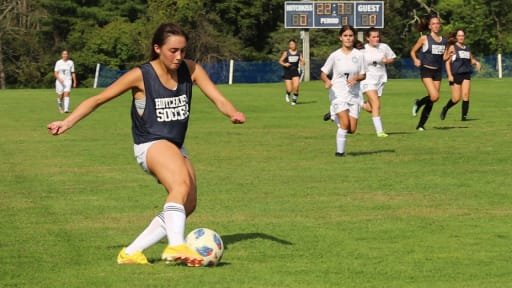
JV soccer games typically last 70 minutes, divided into two 35-minute halves.
Ever wondered how much time you’ll spend watching a junior varsity soccer match? Knowing the duration is helpful for planning your day. So, the question often comes up, how long are JV soccer games?
The games aren’t as lengthy as their varsity counterparts. This allows younger players to build stamina and skill without the strain of longer matches. It’s all about development and learning the game.

How Long Are JV Soccer Games?
So, you’re curious about how long junior varsity (JV) soccer games last, huh? Well, you’ve come to the right place! It’s a great question, and the answer isn’t always as simple as you might think. While professional soccer games follow a pretty strict schedule, JV soccer can be a bit different. Let’s dive in and explore all the things that can affect how long a JV soccer match lasts. We will discuss the standard game duration, what happens when there are ties, factors that can make games longer, and even variations in different leagues and settings.
The Standard Length of a JV Soccer Game
The most common length for a JV soccer game is typically 70 minutes, split into two equal halves. That means you’ll see two 35-minute halves of action on the field. This is usually the standard you’ll encounter in most high school settings and local leagues that follow high school rules. Think of it like two mini-games put together with a short break in the middle. These breaks allows the players to catch their breath and coaches to make strategies.
- Halves: Two halves of 35 minutes each.
- Total Game Time: 70 minutes of actual playing time.
Why 70 Minutes?
You might be wondering why JV games aren’t as long as varsity or professional matches which are usually 90 minutes. There are several reasons why JV games are kept shorter. First, many JV players are still developing their endurance and fitness. Shorter games allow them to play hard without getting completely exhausted. Second, shorter games make the overall schedule easier to manage, especially when multiple teams need to use the same field. Lastly, for some players this can be their first real experience with competitive soccer. The shorter games are good for learning and playing.
Halftime: The Mid-Game Break
Just like in professional soccer, JV games have a halftime break between the two halves. This break is usually about 10 minutes long, but sometimes it might be shorter or slightly longer depending on the rules of the league or the specific needs of the day. This break is essential for players. They get to rest, hydrate, listen to their coach’s instructions, and get ready for the second half of the game. This intermission also gives any injured players a little extra time to get checked by trainers.
- Typical Halftime Length: Around 10 minutes.
- Purpose: Rest, hydration, coaching adjustments, and injury assessments.
What About Overtime?
Now, what happens if the game ends in a tie? That’s where things can get a bit more interesting. In many JV soccer leagues, especially during regular season games, there’s often no overtime period. If the score is tied at the end of the 70 minutes, the game simply ends as a draw. This helps to keep games on schedule. However, there are cases where overtime might be used.
Overtime in Playoff Situations
During playoff or tournament games, where a clear winner is needed, overtime is more likely. In most high school JV soccer tournaments, there might be two short overtime periods, often 5 or 10 minutes each. If the score is still tied after these overtime periods, the game might go to a penalty shootout. A penalty shootout is a way to decide a winner by having players take individual shots against the opposing goalkeeper. So, unlike the regular season where draws are common, in the playoffs they need to have a way to figure out who moves on. The format and length of overtime can sometimes vary from one tournament to another, so it’s always good to double-check the rules.
- Regular Season: Typically no overtime; games end in a tie.
- Playoffs/Tournaments: Overtime periods might be used.
- Overtime Length: Could be two 5 or 10-minute periods.
- Tie-breaker after overtime: Penalty shootouts are often used
Factors That Can Extend Game Time
Sometimes a game can go beyond the planned 70 minutes. There are a few reasons why this can happen, from injuries to unexpected situations. The clock stops ticking when any of these situations happens, which adds to the total time the match is ongoing.
Injuries and Injury Time
If a player gets hurt during the game, play is stopped so they can get medical attention. This period of stoppage is called injury time and is added to the end of each half. The amount of injury time depends on how long it took to treat the player and get play going again. If there are more injuries, there will be more added time at the end of the halves.
Substitutions and Stoppages
When teams make substitutions, or when the ball goes out of bounds often, it can lead to some time being taken off the clock. Time can also be consumed when there is any kind of delay, for example, if the referees have to talk with the players or the coaches. These small stoppages add up over the course of a game and can extend the overall time.
Weather Conditions
Extreme weather conditions such as heavy rain, lightning, or excessive heat can also stop the match temporarily. If a thunderstorm comes, play might be halted. These delays are not usually made up at the end of the game. The game could be postponed until the weather conditions are clear again. Depending on the league rules, some weather delays might result in a shortened game.
- Injuries: Play stops for player treatment and time is added to the end.
- Substitutions: Time is taken as the players come in and out.
- Stoppages: Time is consumed due to the ball going out of play.
- Weather Delays: Can cause game to be stopped or postponed.
Variations in Game Length
While 70 minutes is the most common length for a JV soccer game, there can be differences depending on the specific league, state, or organization that oversees the team. Some might have slightly shorter halves, while others could have different overtime rules. Sometimes age plays a factor in the time as well. If its a younger jv team, the times could be shorter and the rules will be more relaxed.
State Associations and League Rules
Each state’s high school athletic association has its own set of rules for interscholastic sports, and those rules can extend to JV soccer. You will find differences between high schools leagues in different states. For instance, one state may enforce a strict 70-minute game length with no overtime during the regular season, while another might allow a shorter overtime period. This makes it important to know the rules that apply to the leagues and locations you play in.
Local Leagues and Tournaments
Community or local soccer leagues that don’t come under a high school association can have their own rules. They might also follow the 70-minute standard, but they could also have shorter game times, especially if the league consists of younger JV players. Tournaments are another matter entirely. Some tournaments might have shorter games during the early rounds and longer games for the final. Knowing the specific rules of the league or tournament you are participating in is essential.
- State Rules: Differences between states.
- Local League Rules: Variations in local community leagues.
- Tournament Rules: Specific rules set for each tournament, particularly in terms of overtime and tiebreakers
How to Find Out the Exact Game Length
So, how do you know the exact length for the JV soccer game your team is playing in? It’s very important to know this to help get prepared for a match. It is also important to know the rules of your leagues and associations.
Check With Your Coach
The best first place to go is your coach. They’ll have the inside scoop on all the details. They should also be informed about game regulations, especially if it is within their own league.
Consult League or Tournament Websites
Most leagues and tournaments have websites or documentation that specifies game lengths and rules. These websites will tell you exactly how long games will be. It can also have other specific information you may need, such as address and times of the events. These are useful resources and are usually readily available.
Review Team Handbooks
If the team has a handbook, it should have all the specifics. Team handbooks are usually given to the players at the beginning of the season. It will have information about all the rules that apply to the games.
- Ask your coach: The most reliable source of information.
- Visit league website: For formal documentation and game details.
- Check Team Handbooks: To access all the information.
Understanding how long a JV soccer game will last is important for both players and spectators. While 70 minutes split into two 35-minute halves is the most common format, it’s good to know that there can be variations, especially when it comes to overtime and situations that can extend the playing time. Always check with your coach, the league, or the tournament organizers to know all of the rules and know what to expect before the game.
How Long Is a JV Soccer Game? – The Sport Xpert
Final Thoughts
JV soccer games typically last 70 minutes, split into two 35-minute halves. A brief halftime break usually separates them. This is shorter than varsity matches.
So, to reiterate, how long are JV soccer games? They are 70 minutes total playing time. This makes them a good option for faster paced gameplay.

