
Yes, game testers can work at the office, and often do, though remote options are also common.
The video game industry is fascinating; it seems like every day there is a new title coming out. But how do those games get to the point where they’re ready for players to enjoy? A crucial part of this process is game testing, and a common question that arises is: can game testers work at the office?
It’s not always a straight answer; while many companies have their game testers in-house, remote roles are becoming more and more frequent. The work environment really depends on the specific company and project requirements.

Can Game Testers Work at the Office?
So, you’re curious about game testers and where they do their magic? It’s a great question! You might picture them all huddled in their own homes, surrounded by pizza boxes and gaming gear. And while that can be true sometimes, the answer to “can game testers work at the office” is a big, resounding YES! Let’s explore all the different ways game testers can find themselves working, both in and out of the traditional office setting.
The Traditional Office Setup for Game Testers
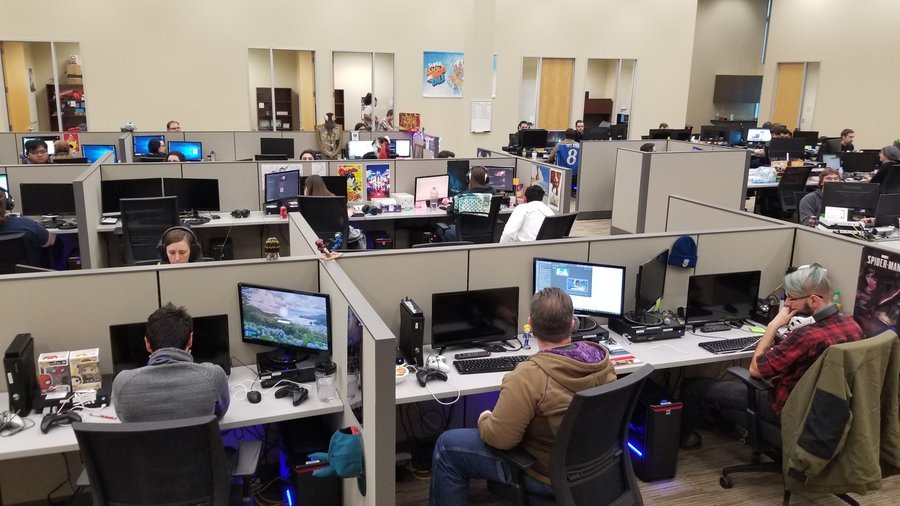
Many game development companies have dedicated spaces for their game testers. Think of a big room with lots of computers, gaming consoles, and comfy chairs. This is where many testers spend their workdays. It’s a place where they can collaborate, talk about bugs, and quickly communicate with developers if something goes wrong. Working in the office has many benefits.
Benefits of On-Site Testing
Being in the office can create a feeling of community. It’s easier to ask questions, share insights, and learn from more experienced testers. Here are some specific reasons why being in an office is great for a game tester:
- Direct Communication: It’s simple to walk over to a developer’s desk to explain a problem with a game level or character animation. This direct communication helps speed up fixing the problems.
- Teamwork: Game testing is often a team effort. Working together in an office helps testers stay on the same page, work together smoothly and learn from each other.
- Resources: In an office environment, testers have instant access to all the necessary gaming equipment, including different types of consoles, controllers, and computers. They do not need to buy all the equipment themselves.
- Structured Environment: An office environment often comes with clear schedules, set routines and access to any type of tools they need to do their job properly. This consistency can help testers work more efficiently.
What an Office Day Might Look Like
Imagine a typical day for a game tester working at the office. They might start by reviewing their testing plan for the day. Then, they get to playing! Testers play through specific parts of the game, looking for errors, flaws, and anything that doesn’t seem right. When they find something, they log it in a database, adding specific details to help the developers understand the problem. They might spend time in meetings discussing the game’s progress, sharing updates and plans, and working together with developers and designers.
The Rise of Remote Game Testing
The world of work is changing, and game testing is no exception. Thanks to the power of the internet and communication technology, many game testers now work from the comfort of their own homes. This is called remote game testing, or sometimes, work-from-home testing.
Advantages of Working from Home
Remote work brings a unique set of advantages for game testers. It is not everyone’s cup of tea, but those who like it, really appreciate the benefits.
- Flexibility: Working from home often offers more flexibility with work hours. Testers may have more control over their schedule, making it easier to balance work and personal life.
- Comfortable Environment: Testers can work in their own comfortable space, which can increase focus and productivity for some.
- Geographic Freedom: Remote work allows testers to work for companies anywhere in the world, without needing to relocate. This opens up far more job opportunities.
- Reduced Commute: Not having to travel to an office saves time and money. This can make remote testing a very good choice.
Tools for Remote Game Testers
Working remotely does require specific tools and technologies. Here are some of the things remote game testers use:
- Communication Software: Testers use tools like Slack, Discord, or Microsoft Teams to communicate with their team members, ask questions, and share findings.
- Video Conferencing: Zoom, Google Meet, and other video conferencing tools help testers have face-to-face meetings with developers and their team.
- Bug Tracking Systems: Tools like Jira, Bugzilla or even Google Sheets, help testers report problems and track fixes.
- Virtual Machines: Sometimes, testers use virtual machines to access different game versions and environments.
Challenges of Remote Game Testing
Working from home isn’t always perfect. There are some challenges that remote game testers have to manage:
- Staying Focused: It can be more difficult for some people to focus at home. There are many distractions in a home environment, compared to the office.
- Communication Challenges: Sometimes, it can be hard to explain a technical issue without being in person. It may take longer to get a quick answer to a question.
- Technical Issues: Home internet outages or computer problems can interrupt the work.
- Feeling Isolated: Remote workers can sometimes feel disconnected from the team, due to not working physically together.
Hybrid Game Testing: The Best of Both Worlds?
Some companies use a hybrid approach, combining both office and remote work. In this setup, game testers might spend a few days working at the office and a few days working from home. This approach allows for in-person collaboration and flexibility, which some find to be the best solution. It gives the testers the benefit of both working in the office, with direct communication and team work, and also getting the flexibility of working from home. Here is how the hybrid testing is beneficial:
Benefits of the Hybrid Approach
- Flexibility: The hybrid approach gives testers more control over their work. They can decide when they want to work in the office and when from home.
- Team Building: This approach allows testers to bond with other testers and developers.
- Personal Time: Testers can save more personal time, not having to travel everyday to the office.
Contract and Freelance Game Testing
Beyond regular employees, there’s also contract and freelance game testing. These testers may work on a project basis, for a set period of time, or for specific tasks. These types of testers may find themselves in the office for the duration of their contracts, working remotely or working in a hybrid system. The type of system used is very much defined by the needs of the project and the company they are working for.
Contract Game Testing
Contract testers are often hired for specific projects or phases of game development. They might be needed to complete specific testing tasks, or support a team through the final stages of development. These testers may work at the office, remotely, or a combination, depending on the specific need and agreement with the company.
Freelance Game Testing
Freelance testers often work for multiple clients, on a project-by-project basis. They have even more flexibility than the contract testers. They may be required to work from the office for a specific period or even their entire contract. Or they may be allowed to work completely remotely.
The Impact of Game Type on Testing Location
The kind of game being tested can also affect where testers work. Some games, like big, complex multiplayer games, often require testers to be at the office, working closely with the development team. Whereas, for small single-player games, remote work is generally more common and often sufficient. Let’s explore some examples:
Large Multiplayer Games
These games often need a lot of testers working together, coordinating with developers in real-time. Working in an office helps testers to stay connected, share information and react quickly to live bugs and changes. The communication benefits of in-person work, are particularly helpful in these situations.
Single Player Games
Testing single player games is often more suited to remote work. Testers can often work through sections of the game by themselves, and update the developers at regular intervals. This type of testing does not always need everyone to be physically together.
Mobile Games
The testing of mobile games can be done both in the office and remotely, depending on the needs and resources of the company. Remote work is very common in the testing of these games as many testers may be using their own mobile devices.
Choosing the Right Work Environment
The best work environment for a game tester really depends on the individual, the project, and the company. Some testers prefer the structure and team interaction of an office, while others love the flexibility and comfort of working from home. Both environments have their own sets of benefits and challenges, so it is important to evaluate which best fits each situation. Here is a table which explains this in an easier to understand format:
| Work Environment | Advantages | Challenges |
|---|---|---|
| Office |
|
|
| Remote |
|
|
| Hybrid |
|
|
So, whether a game tester works at the office, at home, or in a mix of both, the important thing is that they are passionate about games and committed to finding those pesky bugs! The world of game testing offers many different ways to work, and each option has its own unique benefits and challenges. Ultimately, the choice of where a game tester works depends on many factors, with the ultimate goal of ensuring the game is as fun and bug-free as possible.
Mercs in the Office Game Testing
Final Thoughts
Game testers often have the option to work at the office. Many companies prefer testers on-site for better communication and collaboration. This setup allows for immediate feedback and quicker issue resolution, it is a must for many projects.
However, remote opportunities also exist, depending on the studio’s needs. Ultimately, the answer to “can game testers work at the office” is yes, but it isn’t the only option.

