
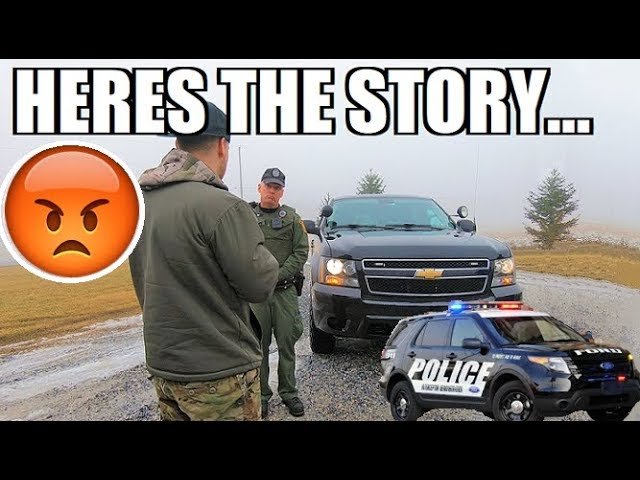
Yes, a game warden can pull you over, particularly if they suspect a violation of wildlife or conservation laws.
Ever wondered about the extent of a game warden’s authority? It’s a question many outdoor enthusiasts ponder, especially when you’re out enjoying nature. So, can game warden pull you over? It’s a valid concern that requires clarification.
Game wardens possess law enforcement powers similar to other officers. They enforce rules related to hunting, fishing, and environmental protection. Knowing their jurisdiction is essential for responsible engagement with the outdoors.

Can Game Wardens Pull You Over? Understanding Their Authority
Okay, let’s talk about something you might have wondered about while out enjoying nature: can a game warden actually pull you over? The short answer is, yes, they can! But it’s a little more complicated than just that. Think of game wardens as the police officers of the wild. They are responsible for making sure people follow the laws about hunting, fishing, boating, and other outdoor activities. Just like police officers on the road, game wardens have specific powers to enforce these rules, and sometimes, that means pulling you over.
What Exactly is a Game Warden?
Before we get into the nitty-gritty of traffic stops, let’s define what a game warden is and what they do. Game wardens, also known as conservation officers or wildlife officers, are law enforcement officers who specialize in protecting natural resources. Their primary job revolves around ensuring the well-being of wildlife populations and their habitats. Their duties are wide-ranging and include:
- Enforcing hunting and fishing regulations
- Investigating reports of illegal hunting and fishing (poaching)
- Protecting endangered species
- Educating the public about wildlife conservation
- Managing public lands and wildlife areas
- Assisting with search and rescue operations in remote areas
They’re not just out there looking for rule breakers, though. They also work to help keep wild spaces safe and healthy for everyone to enjoy. These officers often work in areas that are hard to reach – think forests, rivers, lakes, and mountains. It’s a job that calls for not just law enforcement skills, but also a deep understanding of the environment and wildlife behavior. These dedicated individuals play a vital role in preserving nature for future generations.
Game Wardens and Vehicle Stops
Now that you understand what a game warden does, let’s get back to vehicle stops. Here’s what you need to know:
Types of Vehicle Stops
Game wardens can pull you over for a variety of reasons, and these stops generally fall into a couple of categories:
- Routine Checks: Game wardens often conduct routine vehicle checks, especially in areas where hunting, fishing, or other outdoor activities are common. Think of these like a sobriety checkpoint, but for hunting and fishing licenses, and gear. They might check your hunting or fishing license, and inspect your gear like firearms, fishing rods, or coolers to make sure everything is in order.
- Suspicion of Violation: If a game warden sees something that looks like a possible violation of wildlife laws, they can pull you over to investigate further. This could include seeing a vehicle leaving a hunting area late at night, or hearing a gunshot in an area closed to hunting, or witnessing any other unusual activities that might violate rules.
- Traffic Violations: In some jurisdictions, game wardens also have the authority to stop vehicles for general traffic violations, particularly in or near public lands and waterways. This might include speeding on a forest service road or failure to use lights.
It’s important to understand the warden has the right to pull you over based on the parameters set by state and federal laws.
Authority to Stop Vehicles
Game wardens derive their authority from state and federal laws, meaning they operate within specific legal boundaries. Here’s a breakdown:
State Laws
Each state has its own laws about hunting, fishing, and wildlife management, and these laws grant certain powers to game wardens. These laws often include the ability to:
- Stop vehicles
- Request licenses and permits
- Inspect equipment
- Issue citations for violations
- Make arrests
The specific powers a game warden has may vary from state to state, so you should always be aware of the rules in the area you are visiting. For instance, in some states, a warden might need to have a warrant to search a vehicle, while in other states, they may not need a warrant under certain circumstances related to wildlife violations. Always ensure to research and follow the specific rules of the place you visit.
Federal Laws
Federal laws also play a role, particularly when it comes to migratory birds, endangered species, and activities on federal lands and waters. Federal game wardens may enforce laws like the Lacey Act and the Migratory Bird Treaty Act, and they, too, can conduct vehicle stops when enforcing those regulations. It is important to understand that these regulations often work in tandem with state regulations. A federal game warden might participate in larger scale investigations that cross state lines.
What Happens During a Stop?
Being pulled over by anyone can be a bit nerve-wracking, but knowing what to expect can make the experience easier. Here’s what typically happens:
Initial Contact
When a game warden stops your vehicle, they will typically approach your vehicle and identify themselves. They may ask for your:
- Driver’s license or other identification
- Hunting or fishing license, if applicable
- Boat registration, if applicable
It’s important to be polite and respectful. Remember, the warden is just doing their job. Cooperating with them helps ensure the process is as smooth as possible for everyone involved.
Questioning and Inspection
The warden may ask you about your activities, where you’ve been, and if you’ve been hunting or fishing. They may also inspect your vehicle and any related equipment like:
- Firearms
- Fishing gear
- Coolers and containers
- Boats and trailers
They have a right to ensure all your equipment is in line with the legal requirements. It is part of the process to maintain and regulate these natural resources. It’s usually better to be forthcoming and answer their questions honestly. Remember, providing false information to a law enforcement officer is a violation that could make things much more difficult for you.
When Can a Game Warden Search Your Vehicle?
The rules about vehicle searches can be complex, and they can differ slightly from state to state. Here are some things to consider:
- Probable Cause: If the game warden has “probable cause” to believe you have committed a violation, they can search your vehicle. This means the warden has sufficient evidence or reasonable suspicion to believe there’s illegal activity. For example, if they smell freshly killed game or see a firearm in plain view that looks like it’s being used illegally.
- Consent: If you give the game warden consent to search your vehicle, they can do so. You don’t have to agree to a search, but it’s important to know that denying a search can also raise the warden’s suspicion and the situation may escalate, which is important to consider before denying a search.
- Plain View: If illegal items or evidence are in “plain view,” the game warden can seize them without a warrant. This means that if something illegal is clearly visible without them having to enter or search your vehicle, they are permitted to seize it.
It’s always a good idea to know your rights regarding vehicle searches, but understand that the specific circumstances during a stop will ultimately determine what a game warden can and cannot do.
Your Rights During a Stop
Understanding your rights is vital to ensure a fair interaction with any law enforcement officer, including game wardens.
- Right to Remain Silent: You have the right to remain silent, and you don’t have to answer questions beyond providing basic identification.
- Right to an Attorney: If the warden suspects you of a crime, you have the right to an attorney.
- Right to Refuse a Search (in Some Cases): As mentioned earlier, you don’t have to consent to a search without probable cause or a warrant.
Remember, your rights are there to protect you. While cooperating with a game warden is important, also make sure you are aware of and exercise your rights if you feel it’s necessary to protect yourself. It is crucial to remain calm and polite during the interaction. If you believe your rights have been violated, it’s always good to consult an attorney.
Common Mistakes People Make
Sometimes, even when people have no intention of breaking the law, they may make mistakes that can cause them issues during an interaction with a game warden. Here are some typical errors to avoid:
- Not Having Required Licenses and Permits: Make sure all your licenses and permits are up-to-date and with you when you are involved in activities that require them.
- Transporting Game Illegally: Make sure you know the regulations for transporting game animals or fish, including legal limits and proper tagging or documentation.
- Hunting or Fishing out of Season or in Restricted Areas: Carefully check the regulations and make sure you are hunting or fishing in the designated place and time allowed.
- Not Being Respectful to the Warden: Being rude or uncooperative can make the situation much worse. Remember to be polite, respectful, and cooperative.
- Providing False Information: Being untruthful to a game warden can lead to serious consequences. It is always better to be honest with the officer, as being caught in a lie can only lead to more issues.
By avoiding these common mistakes, you can ensure a smoother and more pleasant experience when interacting with game wardens. Remember, prevention and preparation are always the best policy.
What to Do if You Disagree with the Warden
Even if you believe you’ve done nothing wrong, there may be instances where you disagree with a game warden’s assessment or actions. Here’s how to handle that situation:
- Remain Calm: It’s extremely important to remain calm and avoid being confrontational or disrespectful, even when you feel frustrated.
- Document the Interaction: If possible, note down the date, time, location, warden’s name, and details of the interaction. This may be beneficial if you need to take future actions.
- Do Not Argue or Resist: Resisting or becoming argumentative will only lead to a negative result. You may have your day in court later on, but not in that particular moment.
- Seek Legal Advice: If you believe your rights have been violated or that the warden made an error, speak with an attorney experienced in wildlife law.
Remember, dealing with the situation calmly and appropriately will be much more beneficial for you.
Importance of Game Wardens
While it might be a little uncomfortable to be pulled over, it’s vital to understand the important role that game wardens play in protecting our natural resources. They help to ensure that our wild spaces are managed in a way that benefits both people and wildlife. They help prevent over-hunting, over-fishing, and destruction of habitat. Here’s a look at the reasons we should respect game wardens and appreciate what they do:
- Protecting Wildlife Populations: They help ensure healthy populations of game animals and fish by regulating hunting and fishing.
- Enforcing Conservation Laws: They protect endangered species and natural habitats, helping to maintain the biodiversity of the environment.
- Promoting Public Safety: They help prevent accidents and unsafe practices in recreational areas, keeping people safe while enjoying the outdoors.
- Educating the Public: They often provide information and education about wildlife and natural resource conservation.
- Assisting in Search and Rescue: Game wardens help in locating and rescuing missing people in remote areas.
The work they do is essential for preserving our natural world for everyone to enjoy for generations to come. By cooperating with game wardens and following the rules, we all contribute to the larger cause of conservation.
By understanding the authority of a game warden and respecting the rules that govern our natural spaces, we can all contribute to the protection and enjoyment of the great outdoors. The next time you are enjoying nature, remember that game wardens are there to protect it, and their work is an important part of maintaining the natural world for everyone.
Ask Trooper Steve: Can wildlife officers pull you over in Florida?
Final Thoughts
Game wardens possess authority to stop vehicles. They do so when observing potential hunting or fishing violations. They must have a reasonable suspicion for a stop.
Therefore, ‘can game warden pull you over’ is a yes. They will if you appear to be breaking regulations. Always adhere to local laws. It is essential for your safety.

