
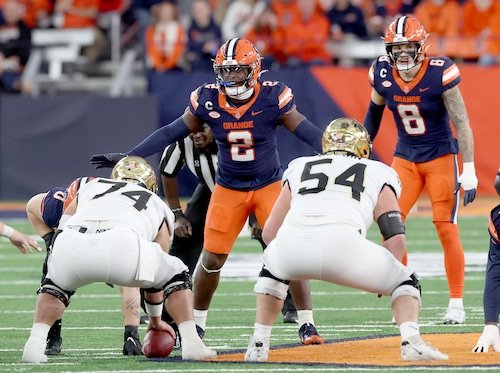
Yes, transfer players can play in bowl games, provided they meet eligibility requirements set by the NCAA and their new institution.
The college football bowl season is always full of excitement and anticipation, but a common question surfaces each year regarding player eligibility. Specifically, fans often wonder, can transfer players play in bowl games? It’s a crucial detail that impacts team dynamics, so getting clarity is important. Many rule changes and the transfer portal activity has made this topic quite confusing for many.

Can Transfer Players Play in Bowl Games?
The question of whether transfer players can participate in bowl games is a bit like a puzzle with many pieces. It’s not a simple yes or no. Several things need to line up for a transfer athlete to hit the field during bowl season. Let’s break down the rules and situations to get a clear picture.
Understanding the Transfer Portal
Before we dive into bowl games, let’s quickly understand the transfer portal. Think of it as a marketplace where college athletes can announce their intention to switch schools. When a player enters the portal, other colleges can contact them and offer scholarships. It’s a big deal in college sports because it allows players to seek better opportunities or a different environment.
The Basic Rule: Eligibility After Transfer
The NCAA, the main governing body for college athletics, sets the rules about transferring. For a long time, a transfer student had to sit out for a whole year before they could play at their new school. Imagine going to a new school and having to watch from the sidelines for an entire season! That rule made transferring a tough decision. However, things changed significantly a few years ago.
The One-Time Transfer Exception
Now, there is a rule that allows athletes to transfer once in their college career and play immediately at their new school, without having to sit out a year. This rule is often called the “one-time transfer exception” and it has totally changed the landscape of college sports. This rule greatly increases the chances of seeing transferred players in bowl games, depending on the timing of their transfer. But remember, this exception applies only once. If a player transfers a second time, they’ll most likely have to sit out a year. Let’s think about this, when a player transfers they may do it for various reasons like, to get a new opportunity, to get better facilities, a better team environment and etc.
Bowl Game Eligibility: Timing is Everything
The most crucial factor in whether a transfer player can play in a bowl game is when they transfer. It’s all about deadlines and roster rules.
The Regular Season and Transfer Windows
The NCAA sets specific periods or “windows” during the year when student athletes can enter the transfer portal. These windows often coincide with the end of a sports season. This allows student athletes to have time to think about their option and do the necessary research before entering a new school. Also, universities are given ample time to recruit and fill the rosters for the following season. A player can enter the portal outside the transfer window, but they will typically need a waiver from the NCAA to compete immediately.
The December Deadline
For bowl game eligibility, the key thing to remember is that if a player enters the transfer portal too close to the bowl game date, they probably won’t be able to participate. To be eligible for the bowl game with their new team, they generally must be enrolled and fully eligible with the team in the regular season. The regular season of college football normally concludes in November or early December, with bowl games played late in December and early January.
Essentially, the player’s transfer must be fully processed before the regular season ends and they need to be included in the team’s final roster before the cutoff date in order to play in the bowl game. The exact date will vary slightly each year, so teams need to follow NCAA guidelines closely.
Specific Scenarios
Let’s look at some specific scenarios to clarify the situation:
- Early Transfers (Good to Go): If a player transfers during the spring or summer, they will generally be eligible to play the entire upcoming season, including any bowl game. They’ll have time to get used to their new team, meet the coaches, and make all the needed changes before the season begins.
- Mid-Season Transfers (Tricky): If a player transfers during the middle of the season, there’s a chance they might not be eligible to play in bowl games even if they are immediately eligible due to the one-time transfer exception. Usually, they must have played games in the regular season with their new team in order to participate in bowl games. If a player transfers mid-season, there’s a high probability that they’ll miss out on being in a bowl game.
- Late Transfers (Most Likely Out): If a player transfers during or very close to the end of the regular season, they will most likely not be eligible to play in the bowl game that year. It takes time to complete the transfer process, enroll in classes, and make the athlete eligible under NCAA standards. Usually, this is just not doable for end-of-season bowl games.
Exceptions and Waivers
The NCAA does allow for exceptions to these rules in special circumstances. For instance, if a player is going through a specific hardship, they may apply for a waiver that allows them to play immediately. These waivers are looked at on a case by case basis, and the outcome isn’t always predictable. Such hardships could involve serious family issues, a change of coaching staff at the previous college, and other issues that are not in direct control of the student.
The Impact on Teams
The ability of transfer players to play in bowl games can hugely impact a team’s success. If a team has several key players who have just transferred, their involvement in the bowl game can make a big difference. On the other hand, if a transfer player doesn’t get a chance to participate due to the rules, a team might be at a disadvantage.
Strategic Team Building
Coaches must consider transfer rules when building their teams and making their transfer decisions. They now plan much more carefully when deciding to bring in players from the portal to make sure those players are available and fully eligible for regular season and bowl games. Coaches work on keeping an eye on transfer portals and must consider that timing will impact if and when those players are able to participate in regular season and bowl games.
Transferring and Academic Requirements
It’s important to note that the transfer rules don’t just revolve around athletic eligibility. Academic standing also matters greatly. A player must be academically eligible at both their old school and their new school to participate in the transfer and play on the field in general. This means that a student needs to maintain a certain Grade Point Average (GPA) and meet course requirements at both schools. If a player fails to meet academic requirements, their transfer can be blocked or they could end up being ineligible to compete.
NCAA Eligibility Center
The NCAA Eligibility Center plays a big role in all this. They review the academic records of student-athletes to see if they meet the standards to play at a college. Both universities and student-athletes submit the necessary paperwork to confirm eligibility. It’s a comprehensive process that takes time, which further emphasizes the importance of timing when planning a transfer.
Other Factors: Rosters and Rules
Besides the timing of the transfer and academic standing, there are other things that can affect a transfer player’s ability to play in a bowl game. These include roster limitations and school-specific requirements. Each team is limited in the number of players they can have on their active roster. Even if a player is eligible to play, there might not be a spot for them on the field if the team already has too many players. It is really important for coaches to plan accordingly. Also, individual schools can have their own rules about which players can play in bowl games, so it’s important to check the details with each specific team.
The Bottom Line
So, can transfer players play in bowl games? Yes, they can, but it’s not always a given. It depends on several factors like, when the transfer occurred, if the player is academically eligible, roster space, and if the player had played games in the regular season with their new team before the cut off date for bowl eligibility. The rules about transferring are always changing. It is always important to be updated on the latest rules. It’s very crucial for transfer athletes, coaches, and fans to stay updated on the latest NCAA regulations to understand if a transferred player will be able to step onto the field in a bowl game.
The changing world of college athletics, especially concerning the transfer portal, continues to have significant effects on team dynamics and the ability of players to participate in key games like bowl games. Staying up to date with these rules is paramount for everyone involved in the game of college sports.
Skipping a Bowl Game to hit the Transfer Portal?? From Georgia?? What's Kirby got to say?
Final Thoughts
Generally, transfer players can play in bowl games, though eligibility rules must be met. NCAA regulations govern this, with specific criteria regarding academic standing and previous game participation.
These requirements often dictate if a player will see game action. Therefore, whether a transfer can play comes down to their unique situation and NCAA approval.
Ultimately, yes, transfer players can play in bowl games, provided they clear the set hurdles.

