
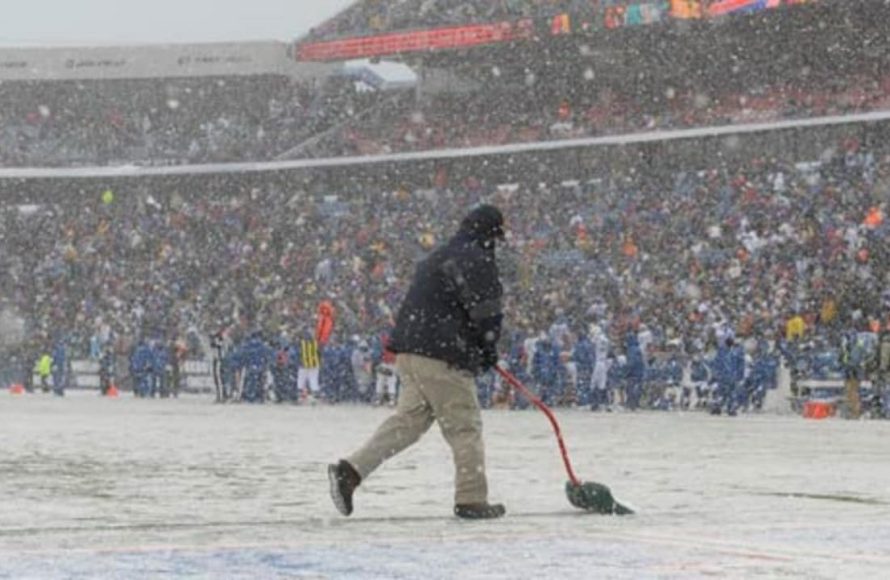
It’s typically quite cold at a Bills game, often near or below freezing, especially later in the season, requiring warm layers.
Going to a Buffalo Bills game? You’re likely wondering, how cold is it at the Bills game? It’s a fair question, given Buffalo’s reputation for chilly weather.
Fans heading to Highmark Stadium need to prepare for potentially frigid conditions. Knowing what to expect will help you enjoy the game comfortably.

How Cold Is It at the Bills Game?
Going to a Buffalo Bills game, especially in the later part of the season, means preparing for some seriously chilly weather. It’s not just about a little nip in the air; we’re talking about temperatures that can make your breath visible and frost your eyebrows! Let’s dive deep into what to expect weather-wise at a Bills game and how to prepare for it.
Understanding Buffalo’s Climate
Buffalo, New York, is located near Lake Erie, and this location significantly impacts its weather patterns. Lake Erie can create something called a “lake effect,” which means that the area often experiences heavy snowfall and very cold temperatures, especially in late fall and winter. This lake effect is something that any Bills fan needs to be familiar with when heading to a game. So, when we talk about “how cold is it at the Bills game,” we’re not just talking about the regular winter chill; we’re talking about a cold that is often amplified by lake effect conditions.
Typical Game Day Temperatures
The temperature at a Bills game can change a lot depending on the time of the season. Early in the season, in September and October, you might find some pleasant fall days with temperatures in the 50s or 60s Fahrenheit (about 10 to 15 degrees Celsius). But as the season progresses into November, December, and January, temperatures usually drop quickly. By late December and January, it’s not uncommon to see game-day temperatures hovering in the teens or even single digits Fahrenheit (around -7 to -15 degrees Celsius) at Highmark Stadium.
Let’s take a closer look at the potential temperatures:
- Early Season (September-October): 50s-60s°F (10-15°C).
- Mid-Season (November): 30s-40s°F (0-5°C).
- Late Season (December-January): 10s-20s°F (-7 to -12°C), sometimes even lower.
It’s important to remember that these are just averages. On any given day, the temperature can be significantly lower, especially if a cold front moves through the area. The weather can vary quite a bit, and that’s why checking the forecast just before you head to the game is so important.
The Impact of Wind Chill
The actual temperature is only part of the story. Wind chill is another very important factor. Wind chill is what the temperature “feels like” when wind is factored in. On a windy day at Highmark Stadium, which is quite exposed, the wind chill can make it feel much colder than the actual temperature. For example, if the temperature is 20°F (-7°C) and the wind is blowing at 20 mph (32 km/h), the wind chill could easily drop the “feels like” temperature to 0°F (-18°C) or even lower. This can mean that even if the official temperature doesn’t sound too bad, you can still be extremely cold on the stands.
It is worth noting, that the open nature of the stadium exacerbates this issue. Because the stands aren’t sheltered, you really get the full force of the wind.
Precipitation: Snow and Beyond
Cold temperatures often come hand-in-hand with snow in Buffalo. Games in November, December, and January often take place with snow falling or already on the ground. If it’s actively snowing, this can add to the cold and discomfort. You also need to think about walking into the stadium, because the parking lots, streets, and walkways can be icy and slippery. Also, if you are not prepared, the snow can get in your clothes and make you even colder.
In addition to snow, there is the possibility of freezing rain, sleet, or even just plain rain. All of these can make being outside at a Bills game miserable if you’re not prepared.
How to Dress for a Bills Game in the Cold
Knowing the potential for extreme cold, the most important thing you can do is to dress properly. This is called layering.
Layering is Key
Layering is when you wear multiple layers of clothing. This helps you to keep the heat trapped around your body. Also, if you get too warm, you can remove a layer. It’s much better to have layers than one very thick layer.
Here is a guide to layering:
- Base Layer: This layer is closest to your skin. Choose moisture-wicking materials like thermal underwear or performance fabrics to keep sweat away from your body. Avoid cotton, as it holds moisture and can make you feel cold.
- Mid Layer: This is the layer that helps to keep you warm. Fleece, wool, or down jackets are good options.
- Outer Layer: This is your protection from wind and precipitation. A waterproof and windproof jacket and pants are essential. Look for jackets and pants that are specifically designed for cold weather and outdoor activities.
Essential Accessories
Do not underestimate the importance of accessories. These are not just decorations; they are very important to your overall warmth and comfort:
- Hats: You lose a lot of heat through your head. A warm hat that covers your ears is very important.
- Gloves or Mittens: Your hands are very susceptible to frostbite. Mittens are generally warmer than gloves because they keep your fingers together, sharing warmth. Always wear waterproof gloves or mittens.
- Scarves or Neck Gaiters: Covering your neck and face is important to keep the wind from chilling your skin.
- Socks: Wear warm socks, preferably wool or synthetic blends, and consider wearing two pairs for extra warmth. Avoid cotton, as we mentioned before, it holds moisture and will make you cold.
- Footwear: Waterproof and insulated boots are a must-have. You will be standing in a cold place, and your feet will be one of the first parts of your body to get cold.
Additional Cold Weather Tips
Here are some things you can do to make your trip even more comfortable:
- Hand and Foot Warmers: Chemical hand and foot warmers are a great way to add extra warmth to your extremities.
- Bring a Blanket: A warm blanket will help you stay extra warm when you are sitting in your seat.
- Stay Hydrated: Even in the cold, it is important to drink plenty of water. Dehydration can actually make you more susceptible to getting cold.
- Eat Warm Food and Drinks: Warm food and drinks from the stadium can help you stay warm from the inside out. But, be prepared for these to be a bit expensive.
Preparing for Different Types of Weather
It’s also good to consider the type of game you’re going to and what the weather forecast is predicting:
Sunny but Cold
If the sun is out, but it’s cold, you’ll still need all your warm layers. The sun may provide a little heat, but it will be nowhere near enough to keep you warm on its own.
Overcast and Cold
Overcast conditions will probably feel colder. Without sun, the wind will be more noticeable, so make sure to bundle up.
Snowy Conditions
If it is snowing, make sure to wear waterproof outerwear to keep the snow from getting in your clothes. Also, wear shoes that have a good grip so that you don’t fall on the ice and snow. It is important to check that you have waterproof gear. Also, make sure that you leave early to get to the stadium so that you aren’t stuck in the snow.
Windy Conditions
As we mentioned before, wind can make it feel so much colder. Make sure that you wear clothes that are windproof and that you have a scarf to cover your face if you need to.
Tracking the Weather
As game day approaches, it is important to monitor the weather. You can do this using a variety of resources:
- Local Weather Websites or Apps: Look at weather websites that focus on Buffalo. This will provide you with information that is specific to where you will be.
- National Weather Service: The National Weather Service website provides weather alerts and detailed weather information for the entire country.
- Sports Weather Forecasts: Some websites and apps provide weather information that is specifically made for sporting events. These can provide special weather information for the game you are attending.
Highmark Stadium’s Exposure to the Elements
Highmark Stadium is known to be quite exposed, meaning that it isn’t very sheltered from the wind or the elements. The stadium’s design is great for watching the game, but it also allows for a lot of wind to come in and the cold to linger. Because the stadium is open, the wind chill can feel very low. Even on a relatively calm day, you may notice a strong breeze inside the stadium.
A Day at the Bills Game: What to Expect
Going to a Bills game in the late part of the season is a true experience. You’ll often see fans bundled up in all sorts of warm gear. It’s a good idea to bring hand warmers and also to take breaks to get inside somewhere warm if you need to. If you have any mobility issues, then you should be very careful walking around the stadium, because the walkways and steps might be icy. If you can be prepared, you’ll be fine.
The Unique Atmosphere
Despite the cold, there is a very special atmosphere at a Bills game. The fans are always excited and full of energy, and the shared experience of braving the cold weather together actually brings everyone together. It’s something that many people look forward to every year.
The cold weather at a Bills game is definitely a factor you need to be prepared for. By following these tips, you will be able to enjoy the game safely and comfortably. So, be sure to check the forecast, dress in layers, and get ready for the cold. This will ensure that you have an enjoyable experience cheering on the Buffalo Bills.
Remember to enjoy the game and the unique atmosphere that comes with attending a Buffalo Bills game in the winter.
Cold weather hacks if you're going to Saturday's Buffalo Bills NFL wildcard playoff game
Final Thoughts
The temperature at Bills games is quite chilly, often dipping below freezing. Wind chill makes it feel even colder, a must factor to consider. Bundling up in layers is essential for staying warm and enjoying the game.
So, exactly how cold is it at the Bills game? Expect bone-chilling conditions that demand preparation. Pack warm gear like hats, gloves, and thick coats. This will help you manage the extreme cold.

