
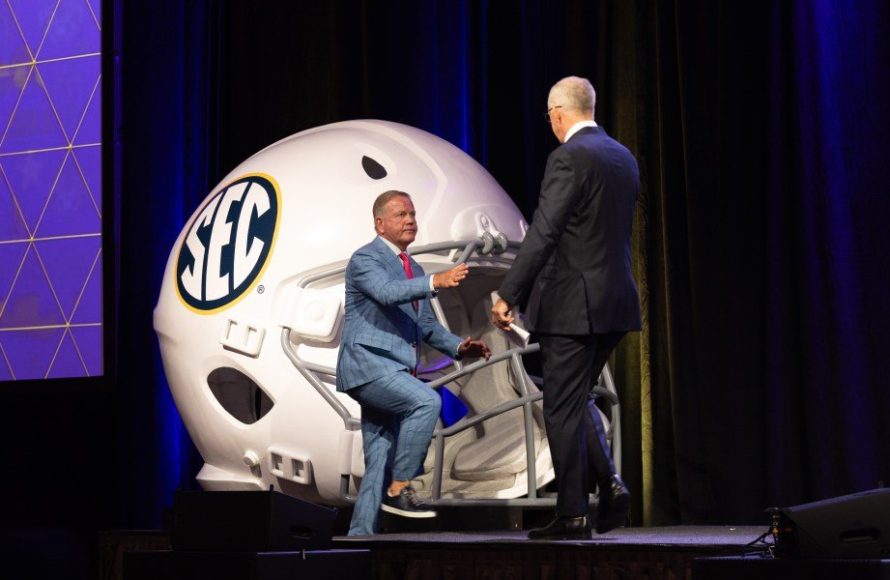
Yes, transfers can play in bowl games if they meet specific eligibility requirements set by the NCAA.
The college football bowl season is upon us, a time of excitement and high stakes. Questions often arise about player eligibility, particularly regarding those who have recently transferred schools. Can transfers play in bowl games this year? This is a common point of confusion for many fans.
Navigating the complex NCAA rules can be tricky. Factors like when a player transferred and their academic standing at their new school impact their availability. It’s important to consider these variables when wondering can transfers play in bowl games.

Can Transfers Play in Bowl Games?
The question of whether college football players who transfer schools can participate in bowl games is a big one, and the answer isn’t always a simple “yes” or “no.” It’s more like a “it depends” kind of situation. Let’s dive into all the details and figure out how this works.
Understanding College Football Transfers
Before we get to bowl games, it’s important to know a bit about how college football transfers happen. When a player decides to leave their current school and play for a different one, that’s a transfer. This can happen for many reasons: maybe they want a different coach, a different style of play, or a better fit academically. Sometimes, they just want to be closer to home. It’s a big decision with lots of factors involved.
The Transfer Portal
To make the transfer process easier, there’s something called the transfer portal. This is like a central database where players who want to transfer enter their names. Coaches from other schools can then see who’s available and reach out to them. This makes it less complicated than it used to be, where players had to do a lot of the legwork themselves. Think of it like a marketplace for college football players looking for a new team.
Types of Transfers
There are different kinds of transfers, and they can impact eligibility. Let’s look at some of the common ones:
- Graduate Transfers: These are players who have already finished their bachelor’s degree and want to play another year of college football at a different school. These players often have different rules about eligibility.
- Undergraduate Transfers: These are players who haven’t finished their bachelor’s degree yet. Their eligibility is frequently subject to specific NCAA rules.
- Intra-Conference Transfers: Sometimes players transfer to a school within the same conference as their previous school. These transfers might have different waiting periods before they can play in games.
Eligibility Rules and the NCAA
The National Collegiate Athletic Association (NCAA) is the organization that makes the rules for college sports. They have very specific guidelines about player eligibility, especially when it comes to transfers. These rules are in place to try and keep things fair for everyone.
The One-Time Transfer Rule
A big rule to know is the one-time transfer rule. Before, players often had to sit out a year before being eligible to play at their new school. Now, many players can transfer one time and be able to play right away without having to sit out. This rule made a big difference for players who wanted to move to different teams. This rule is what made transfer so popular and easy for students.
Academic Standing
It’s not just about transferring; players have to keep up with their schoolwork too. They need to be in good academic standing to play. If they are struggling with their classes, they might not be allowed to play in games, including bowl games. Being a student-athlete means balancing sports and studies. Players who have the minimum GPA are allowed to play as long as all of the transfer rules are followed.
Meeting Transfer Deadlines
Another important aspect is meeting the transfer deadlines that the NCAA sets for each season. If a player transfers too late, they may not be eligible to play for the new team in the current season. The deadlines are there to make sure that transfer process is managed fairly. So, being aware of these dates is very crucial for all players looking to switch schools.
Bowl Game Eligibility
Now, let’s get to the exciting part: bowl games! These are the games that happen after the regular season, and they’re a big deal for college football teams. But can transfers play in these games? The answer is – typically, yes, but with a few “ifs”.
General Eligibility for Transfers in Bowl Games
Generally speaking, if a transfer player is eligible to play for their new team during the regular season, they are also eligible to play in their new team’s bowl game. This means that if they transferred and followed all the rules, the one-time transfer rule allowed them to play right away, and if they are in good academic standing, they should be able to participate in the bowl game. However, there are some special situations where things can get a little more complicated.
Mid-Season Transfers and Bowl Games
A key point to remember is that timing matters. If a player transfers mid-season, it is not as easy to just join a team and immediately play in the bowl game. Usually, the student who completes a transfer before the regular season begins can play, but a mid-season transfer may not have enough time to get the playing time or practice necessary to participate in the bowl game. A player who transfer mid season will likely have to focus on the next season and not the bowl game of the present one.
Transferring After the Regular Season
What happens if a player transfers after the regular season has ended, but before the bowl game? In most instances, a player transferring at this time will not be eligible to play in the bowl game for their new team. They are usually ineligible for the current year’s bowl game. They may have to wait until the following season to take part in a game. They will be working to get ready for the next season, while still having the opportunity to practice with their new team.
Specific Bowl Game Rules
While the NCAA sets overall eligibility rules, some individual bowl games might also have their own special requirements or guidelines for who can play. They may have slightly different rules in place that can affect whether or not transfers can play. For example, in the past, some bowl games might have had specific requirements about minimum appearances during the regular season. These additional rules are less common today, but it’s still something to be aware of.
Special Cases and Waivers
Sometimes, there are unique situations. For instance, a player might have a special circumstance that doesn’t exactly fit within the regular rules. In those cases, the NCAA might grant a waiver. A waiver is basically a permission slip that allows a player to play even though they don’t meet all the standard requirements. Players who believe they have special cases can file for a waiver.
The Impact of the Transfer Portal on Bowl Game Rosters
The transfer portal has changed things in a big way. It has led to more players transferring, so there are more new faces on bowl game rosters. This can make it more exciting because you never know which players will be playing for different teams by the end of a season. Also, because of the transfer portal, coaches must plan more thoroughly when preparing for a bowl game, as many players on other teams may be new to them as well.
Real-World Examples
To help paint a better picture, let’s look at some real-world examples of how transfers have impacted bowl games. Let’s check out a scenario with two different types of transfer:
Example 1: A Graduate Transfer
Let’s say a quarterback named Alex completed his bachelor’s degree at one school and then used his remaining year of eligibility to transfer to a new team in the same conference. Because he was a graduate transfer and followed all of the procedures, he is eligible to play right away and this does include the bowl game. If his new team makes it to a bowl game, Alex will get the chance to play with them.
Example 2: An Undergraduate Transfer
Now, imagine a wide receiver named Ben transferred to a new team during the offseason and before the start of the new season. Because he followed the rules, and did not have to sit a year, he was able to play all season long. He will therefore also be eligible to take part in the team’s bowl game as well. If his team does well enough to be invited to a bowl game, Ben is going to participate in it.
Example 3: A Mid-Season Transfer
Suppose another player, Carl, decided to transfer in the middle of the season. Even though he followed all of the rules for the transfer portal, he will have to wait until the next season to play, and thus will not be able to participate in the team’s bowl game that season. He will be practicing with the team, but he won’t be eligible to play. Carl’s main focus would be on the next season and doing well in that one.
Looking Ahead
The rules about transfers and bowl game eligibility are always changing. The NCAA is constantly reviewing and adjusting the guidelines to try and keep things as fair and competitive as possible. It’s important for players, coaches, and fans to stay updated on any new rules or changes to the transfer process. These changes help to ensure that the college football game continues to move forward.
So, can transfers play in bowl games? The short answer is yes, mostly, but it’s important to remember that it all depends on a few things. If the player completed a transfer and followed the rules, and if the player is in good academic standing, and if they completed a transfer before the season or offseason deadline, then they are likely eligible to play in the bowl game. Transfers are now more common than ever, and they have become a big part of the world of college football. It’s always exciting to see how these players perform on their new teams, especially in big games like the bowl games.
Skipping a Bowl Game to hit the Transfer Portal?? From Georgia?? What's Kirby got to say?
Final Thoughts
Ultimately, whether transfers can play in bowl games depends on specific NCAA rules and the timing of their transfer. Generally, players must be academically eligible and complete necessary waiting periods.
A mid-season transfer sometimes causes ineligibility for postseason games. Therefore, confirming eligibility details with the compliance office becomes must before assuming they can participate.
So, can transfers play in bowl games? It’s a case-by-case basis; not a blanket yes or no. Always verify with the NCAA and their school before game day.

