
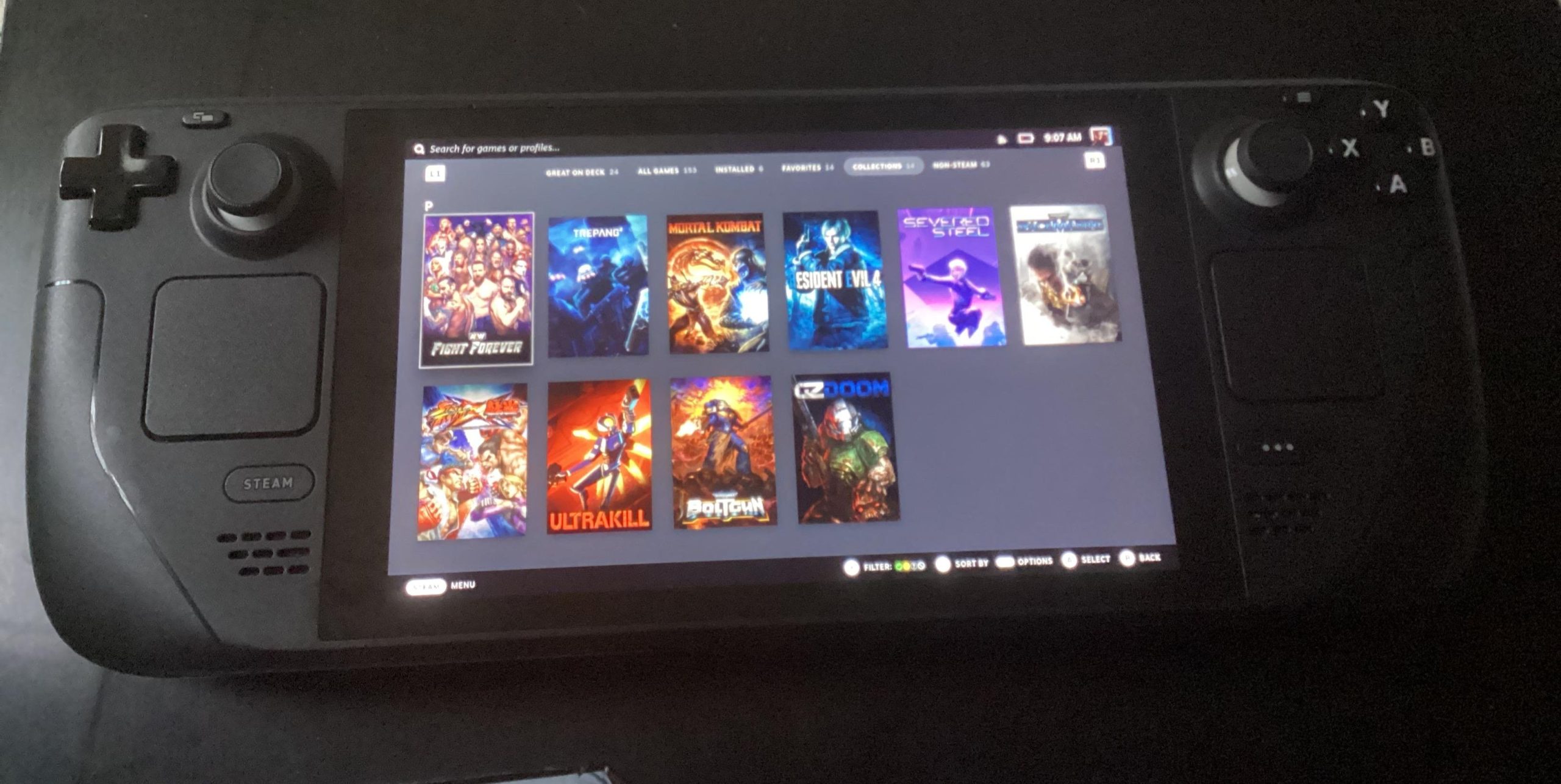
It is technically possible to pirate games on a Steam Deck, but doing so is illegal and carries significant risks.
The Steam Deck, a fantastic portable gaming device, has sparked a lot of questions. One of the most common questions is: can you pirate games on steam deck? It’s understandable to be curious about the device’s capabilities.
While the hardware allows for loading non-Steam software, that doesn’t mean pirating is a good idea. Pirating games often exposes your device to malware and comes with serious legal consequences.

Can You Pirate Games on Steam Deck? Exploring the Risks and Realities
Let’s dive into a question many Steam Deck owners might have: can you pirate games on this cool handheld device? The short answer is yes, it’s technically possible. The Steam Deck, being a portable computer running a version of Linux called SteamOS, has the capability to run software from sources other than the official Steam store. This includes pirated games. However, just because something is possible doesn’t mean it’s a good idea. Let’s explore the different aspects of this complex issue.
Understanding the Technical Possibilities
The Steam Deck is, at its heart, a mini-computer. This means it can run various applications, not just those available on the Steam Store. The SteamOS, based on Linux, is flexible and allows users to install software in ways that are quite different from a traditional console. This is a major factor when we discuss “can you pirate games on steam deck”.
Sideloading and Non-Steam Games
A key aspect of the Steam Deck’s flexibility is the ability to “sideload” software. Sideloading refers to installing applications from sources outside of the official Steam store. While many legitimate apps and game launchers can be sideloaded, the same process can also be used to install pirated game files. Here’s a breakdown:
- Desktop Mode: The Steam Deck has a full desktop mode that provides a typical Linux environment. Users can access files, install software, and use the command line. This opens the door for installing games from various sources.
- Discover Store: While Steam is the primary platform, the Steam Deck also has access to the Discover store, which features a selection of Linux-compatible software. This store typically doesn’t feature pirated games, but it shows that software installation outside the Steam ecosystem is part of the Deck’s design.
- External Sources: Users can copy game files to a microSD card, transfer them over a network, or download them directly using a web browser within the Steam Deck’s desktop mode. This means that if pirated games are acquired from somewhere else, they can be transferred to the Steam Deck for installation.
Emulators and ROMs
Another area that often intersects with the discussion of piracy is the use of emulators and ROMs. Emulators are programs that allow the Steam Deck to mimic the hardware of other gaming consoles, such as the Nintendo 64 or PlayStation 2. ROMs are the game files for these older consoles. It’s important to note that owning the original game cartridge or disc generally gives you the legal right to own an associated ROM. However, if you download ROMs for games you don’t own, this is copyright infringement, which is a form of piracy. While emulation itself isn’t illegal, downloading ROMs of games without owning them is illegal.
The Risks of Pirating Games on Steam Deck
While the technical possibility of pirating games exists, it’s vital to understand the significant risks involved. These risks are not just potential legal troubles but also potential harm to your device.
Legal Consequences
Downloading and playing pirated games is illegal. It’s a form of copyright infringement, and the consequences can be serious. Here’s a look at some of the legal ramifications:
- Copyright Infringement: Game developers have copyright protection for their games. Downloading pirated versions violates these copyrights.
- Fines and Penalties: Lawsuits can lead to significant fines. These fines can range from small penalties to thousands of dollars, depending on the specific case and country.
- Legal Action: Companies that own the rights to video games can take legal action against individuals caught pirating their games. This can involve the distribution of pirated games as well as the use of pirated games
- Internet Service Provider (ISP) Notices: Your ISP may send you warning notices if they detect that you’re downloading pirated files. In some cases, repeated offenses may lead to your internet service being restricted or terminated.
Security Risks
Pirated games often come with a hidden danger: malware. Here’s why you should be wary:
- Malware and Viruses: Many pirated game files are bundled with viruses, trojans, spyware, and other malicious software. These programs can damage your Steam Deck, steal your personal information, or even allow hackers to control your device remotely.
- Compromised Accounts: Malware can record your keystrokes, which can give hackers access to your Steam account and other sensitive data. This can lead to your accounts being stolen or used for fraudulent activities.
- Unstable Games: Pirated games are often modified or poorly cracked and can be unstable. This means they might crash frequently, not perform correctly, or even cause errors that affect your entire device.
- No Updates: You miss out on important security updates and patches if you are playing pirated games. These patches are essential to make sure your system operates safely and correctly.
Damaging the Gaming Community
Pirating games doesn’t just affect you; it also has a negative impact on the entire gaming community. Here’s how:
- Harming Game Developers: Piracy directly reduces the profits of game developers. This can lead to reduced budgets for future games, and make it harder for smaller independent developers to create and release new games.
- Loss of Revenue: Game companies rely on sales to keep going. If many people are pirating games, there is less money for the companies, which results in less development of video games.
- Reduced Quality of Games: When developers don’t receive fair compensation for their work, they may have to cut corners, ultimately lowering the quality of games in the future.
- Unethical Practice: At its heart, pirating is like stealing. You’re getting something without paying for it, which harms everyone involved in creating it.
The Ethical Considerations
Beyond the legal and security issues, there’s a strong ethical argument against pirating games. It’s important to consider this from the perspective of fairness and support for those who create the entertainment we enjoy.
Supporting Developers
Game development is hard work that requires countless hours of effort from many talented people. By purchasing games legitimately, you’re directly supporting these developers and making it possible for them to continue creating new experiences. Here are some things to consider:
- Direct Support: When you buy a game, you are financially contributing to the team that made it. This helps to fund their work and create more content.
- Encouraging Creativity: Paying for games encourages developers to take risks and try new things, creating a more varied gaming landscape.
- Fair Compensation: Game developers deserve to be paid for their work, just like any other job. Piracy takes money out of their pockets.
Promoting a Healthy Gaming Ecosystem
Piracy can damage the overall health of the gaming industry. It hurts developers, game companies, and the gaming community. If everyone pirated, no games would be made. By buying games, we contribute to a vibrant and healthy ecosystem, ensuring that our favourite form of entertainment can continue to grow and evolve. Here’s why a healthy ecosystem is important:
- Continued Development: A healthy gaming industry means that developers have the money to continue making games for everyone to enjoy.
- Innovation and Growth: Profits from legitimate sales enable game companies to innovate and try new things, like new ways to play and advancements in technology.
- Long-Term Sustainability: By supporting the developers, we ensure the industry remains sustainable for future gamers.
Alternatives to Pirating Games
Fortunately, there are many ways to enjoy games without resorting to piracy. Here are some legitimate options:
Steam Sales and Bundles
Steam is well known for having frequent sales where games are heavily discounted. This means that you can often get games you want for a fraction of the regular price. Also, Steam sometimes creates game bundles, which let you buy many games at a really good price. These are great options to save money and still play games legally.
Free-to-Play Games
There are a lot of free-to-play games available on Steam and other platforms. These games do not cost anything to download and play, making them great for people who don’t want to spend a lot of money. While some of them may have in-game purchases, you can still play for free. This provides lots of opportunities to have fun without breaking the bank or breaking the law.
Game Subscriptions
Services like Xbox Game Pass and PlayStation Plus offer subscription models where you pay a monthly fee and get access to a large library of games. This option is a great way to try a variety of games without having to purchase them individually. These services are getting more popular and can be a cost-effective way to enjoy games.
Indie Games and Demos
There are many amazing indie games out there, often made by small teams or even solo developers. These games frequently offer a different experience to larger games and are usually cheaper to buy. Many indie games even have free demos that allow you to try a game before you pay. This is an excellent opportunity to find some unique and engaging titles without going outside of legal channels.
Used Games
If you don’t mind buying games that are not brand new, you can find used games for great prices in many shops and online. Purchasing used games is a legal and affordable way to enjoy titles without encouraging illegal distribution of games.
Free Gaming Platforms
There are different free gaming platforms available online, where you can find many free games to play. It might not have all the newest games, but you can find a lot of different games on such free gaming platforms.
While it is technically possible to pirate games on the Steam Deck, it is crucial to understand the significant risks involved. From legal issues and malware threats to the ethical implications, piracy is simply not worth it. There are many safe and affordable ways to get games and enjoy your Steam Deck. By supporting developers and the wider gaming community, you ensure that the industry can keep thriving. It also protects your device and your private information, making sure your gaming sessions are enjoyable and safe for you.
How to install Quacked games on the Steam Deck
Final Thoughts
Pirating games presents significant risks, including malware and legal trouble. Valve actively combats piracy, and using pirated games can lead to account bans. Therefore, playing games legally via Steam is safer.
The question, ‘can you pirate games on steam deck,’ is technically yes, but not advisable. Doing so compromises your device and access to services. Avoid these practices for a better experience.

