
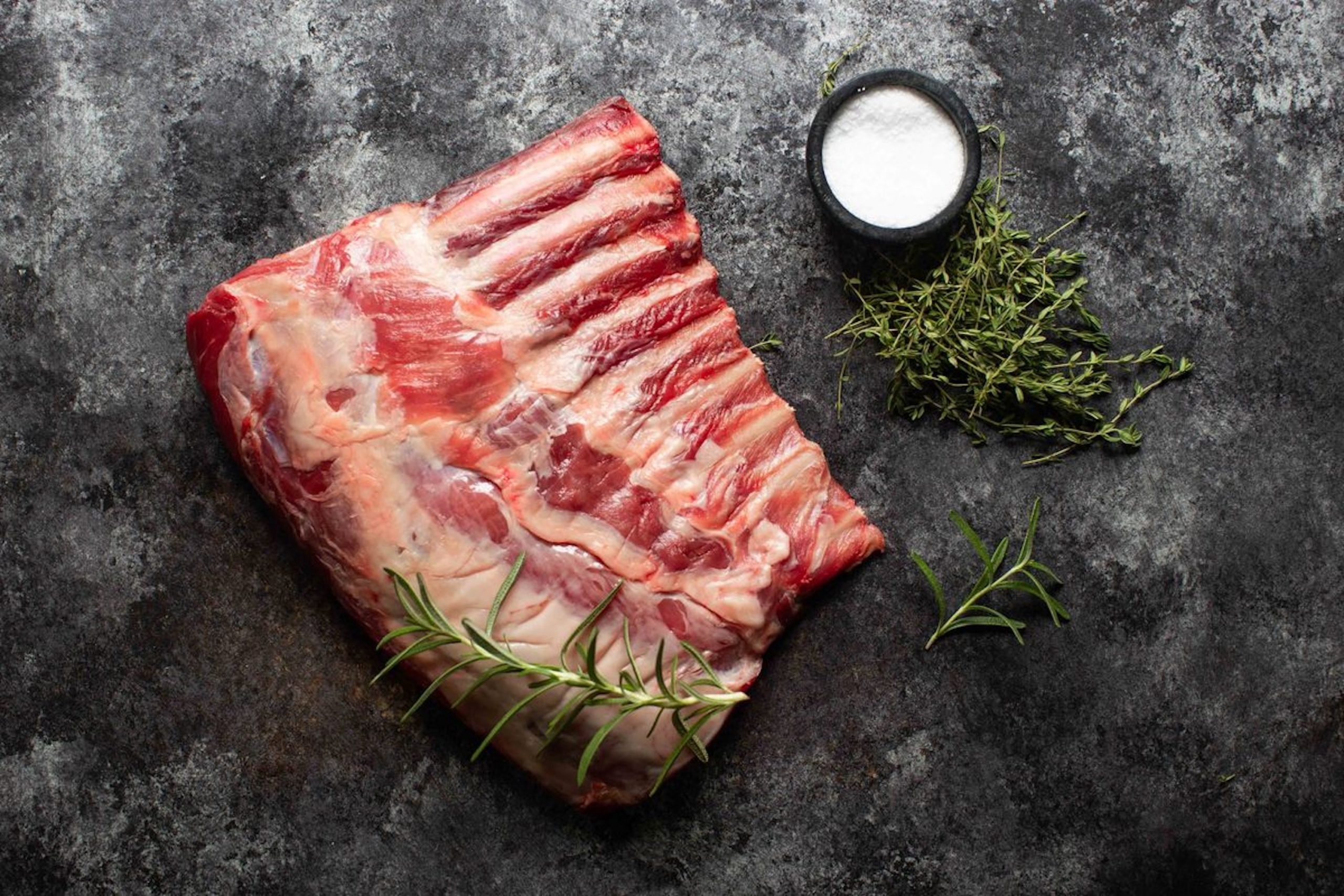
Selling wild game meat is generally prohibited without proper licenses and adherence to strict regulations that vary by location.
The question of whether you can sell wild game meat is often met with complicated answers. It’s not as simple as hunting an animal and then heading to the market. Different regions have different laws and processes which directly affect this practice.
These laws primarily exist to protect both the public and wildlife populations. They also govern the safety and traceability of meat. Understanding these regulations is very important before considering selling any wild game.

Can You Sell Wild Game Meat? Navigating the Legal Landscape
So, you’ve had a successful hunt and now you’re wondering if you can sell that delicious wild game meat you’ve harvested. It’s a common question, and the answer is: it’s complicated! Unlike buying meat at the grocery store, selling wild game meat comes with many rules and regulations. These rules are in place to protect both people and animals, ensuring that the meat is safe to eat and that wildlife populations are managed properly. Let’s break down the key things you need to know about selling wild game.
The Basics: Why It’s Not Like Selling Beef
First, let’s understand why selling wild game isn’t as simple as selling meat from a farm. Animals raised on farms are typically raised in controlled environments. They are regularly inspected by veterinarians, fed a controlled diet, and processed in facilities that adhere to strict safety guidelines. Wild animals, on the other hand, live in their natural habitats and are not subject to the same controls. This means their meat might carry risks like diseases or parasites that farm animals generally don’t. Because of these risks, and the need to make sure game populations are kept healthy, governments have put rules on the sale of wild game.
Federal vs. State Regulations
The first thing to know is that both the federal government and state governments have laws about selling wild game meat. Generally, federal laws set the overall guidelines and state laws add specifics, which means rules can change from state to state. The federal government, through agencies like the U.S. Fish and Wildlife Service and the USDA (United States Department of Agriculture), ensures that wildlife trafficking doesn’t happen and that animals are harvested and processed ethically. States are responsible for specific hunting regulations, licenses, and rules about selling and processing game meat within their borders. This means what’s allowed in one state might be very different in the neighboring state. Make sure to check all the regulations before you do anything.
Understanding the Rules: What’s Usually Not Allowed
In most places in the United States, selling wild game meat that you hunted yourself is generally prohibited for the regular person. The common reasons for this include:
- Public Health Concerns: As we mentioned, wild animals are not raised in controlled settings, so they could carry diseases or parasites. Selling meat from an animal that has not had thorough inspection could risk the health of anyone eating it.
- Fair Chase and Conservation: Hunting laws want to ensure fair chase, and that hunters are not just killing animals to make money. Also, these regulations make sure that wild populations are managed effectively to avoid over-hunting.
- Enforcement Challenges: If selling wild game was totally legal for everyone, it would be much harder to enforce hunting rules. It would become easier to hunt illegally and also could result in the sale of meat from illegally hunted animals.
So, if you’ve got a freezer full of deer, you can’t just sell it at the local farmers’ market.
Exceptions to the Rule: When Selling Might Be Possible
While selling wild game meat by individual hunters is usually not allowed, there are exceptions. These are generally tied to specific kinds of places, licenses or activities:
Licensed Game Farms and Processing Facilities
Some states do permit the raising of specific types of game animals (like some types of deer, birds, or rabbits) on licensed game farms. These farms must follow strict rules regarding animal welfare, processing, and hygiene. If an animal is raised on a game farm and processed correctly, the meat may be sold commercially. Also, there are licensed processing facilities, sometimes they called ‘game processors’, that have received specific authorization by the state to accept game from hunters, clean, prepare, and sometimes sell the meat. In many cases this meat can’t be sold but the processing facility can charge a fee for this preparation of the meat. These operations usually have to abide by strict food safety protocols.
Authorized Game Meat Donation Programs
In many places it is permitted to donate your wild game meat to charities that give food to the hungry. Usually you can’t sell this donated meat to the public or anyone else, but the program or charity that takes the donation can give the meat to those in need. These programs are often run or authorized by state wildlife agencies. Hunters need to follow all hunting rules for these programs and they need to make sure the meat is handled in a safe way so the donated food is not harmful. This means the game is harvested legally, cleaned properly and transported properly.
Native American Tribal Hunting Rights
Tribal nations often have hunting and fishing rights that are different from state and federal laws. These rights, recognized by the U.S. government, allow tribal members to hunt on tribal lands, and sometimes, on other land the federal government owns, according to their own rules. This may permit the sale of some game meats within the tribe or community, subject to their own regulations. If you are looking at this option you would need to check with the individual tribes to understand those specific rules.
The Importance of Proper Processing and Handling
Whether you are keeping your harvested game for yourself or participating in a game donation program, proper processing and handling are super important. Mishandling the meat can lead to contamination and sickness. Here’s what you should do:
- Field Dressing Immediately: Clean the animal quickly after harvest. Remove the entrails as soon as possible to prevent the meat from getting spoiled.
- Cool Down the Carcass: Bring the temperature of the animal down fast by getting it into a cooler with ice or into refrigeration if possible. Meat spoils easily at high temperature so you need to cool it as soon as possible to prevent bacteria from growing.
- Cleanliness is Key: Make sure the processing area and your tools are very clean before processing. Keep everything sanitary to prevent the meat from being contaminated by bacteria.
- Proper Storage: Once processed, make sure to store the meat at the right temperature in a refrigerator or freezer. Keep the storage cold enough to keep the meat safe for later consumption.
Navigating State Laws: A Deep Dive
As we talked about, state laws are very important when it comes to selling wild game. Here’s a look at how these state-level rules often differ:
Types of Animals
Each state might have different rules for what animals can be hunted and sold. For example, in one state selling venison might be totally prohibited, but another state might let you sell meat from farm-raised deer, following strict guidelines. Some states might let you sell some kinds of wild birds but not others. Rules can also be different on selling fish from different bodies of water or types of fish.
Permits and Licenses
Game farms or processing facilities have to have permits or licenses from the state. These licenses need regular renewal. They usually require proof that the farm or processing facility complies with all the health and safety regulations that are set by the state. If you are interested in selling meat through any of these methods, it is very important that you check with your state agency that governs wildlife and understand what permits you need.
Inspection Requirements
States usually require inspection of meat from licensed places before it is sold to make sure it is safe. These inspections make sure that processing facilities are following the rules on health, hygiene, and meat handling. Also, the states might need a food handling inspection of a restaurant or market that wants to sell the game meat. This will make sure that the facility is following all food safety regulations.
Labeling and Packaging Rules
If a state does allow the sale of some game meats, it usually has very specific rules for labeling and packaging. These labels will usually say what kind of meat it is, where it came from, and if it has been inspected. This labeling is very important so that customers know where their meat came from and that it is safe to eat.
Let’s consider some examples of how these differences can play out in hypothetical situations:
Example 1: The Deer Hunter
Let’s say John is a deer hunter. He harvests a large deer this fall. In most states, he can not sell the meat. He can eat it himself, and he could give it to his friends or family. He could also use it for a food donation program. However, in most cases, he is not allowed to sell that meat. If his state allows for game farms to raise deer for meat and John has licensed his farm and processed the meat using the right guidelines then John could sell that meat. It is very important for John to do all his research before selling any meat.
Example 2: The Upland Bird Hunter
Susan enjoys hunting upland birds. She lives in a state that allows a certain type of bird to be sold, but only if it’s raised in a licensed facility. She can’t sell the wild birds she hunts on her family’s land. To sell those birds legally, she would need to set up a game bird farm and follow all of the guidelines and have her business inspected and authorized by her state wildlife department.
Why These Rules Are Important: Protecting Wildlife and Public Health
All of these complicated laws around selling wild game may seem confusing but it’s important to understand that they all work to protect wildlife and people. Here’s why it is so important:
- Preventing Over-hunting: Rules and hunting seasons are made to prevent over-hunting and make sure game animal populations are healthy. If the sale of game meats was uncontrolled, this could encourage unethical hunting and threaten animal populations.
- Protecting Public Health: The most important factor in these regulations is protecting people from diseases and sicknesses. Animals that are not handled or inspected properly can cause people to get very sick.
- Conservation Efforts: The money from hunting licenses and permits, along with rules on game management, is a very important way to pay for conservation efforts that keep our wildlife safe.
The Bottom Line: Know the Rules
The rules around selling wild game meat are complicated and they can be different based on where you live. It’s very important to understand the law in your state, and in the area where you are hunting. You can usually find the specific rules on your state’s wildlife or natural resources agency website, or by calling them directly. If you are in any doubt, please contact your state agency. They will be able to guide you on the rules that apply in your state. Remember, protecting both people and wildlife is important, so following these rules is vital. If you’re not sure, ask! You don’t want to accidentally break the law.
Alternatives to Selling: Enjoying Your Harvest
If selling game meat is not allowed, there are still lots of good ways to enjoy what you’ve harvested. Sharing the food with your friends and family, or using a food donation program can be a rewarding experience. Learning how to properly process and cook your own game meat is a great way to use your harvest and connect with the outdoors. Instead of focusing on making money, you can appreciate the hunting process and the reward of filling your freezer.
Benefits of Eating Wild Game
Final Thoughts
The legality of selling wild game meat varies greatly. Regulations differ by region and species. Strict rules often govern hunting, processing, and sales.
Generally, selling wild game meat is not permitted. Most laws intend it for personal consumption only. You usually cannot profit from it.
Therefore, can you sell wild game meat? The answer is predominantly no, unless you meet specific, often difficult to obtain, legal exceptions. Always check local laws.

