
No, the specific events of the Hunger Games, with a televised battle royale of children, could not happen in real life due to overwhelming ethical and logistical barriers.
The chilling premise of Suzanne Collins’ The Hunger Games series sparks a disturbing question: could the hunger games happen in real life? The idea of a dystopian society forcing children to fight to the death for entertainment seems far-fetched, but the themes of inequality and oppression within the story makes many wonder about the possibility.
We often see aspects of our own world reflected in fiction, raising a valid concern about the fragility of society. The possibility of such an event highlights how important it is to safeguard against the very social injustices that pave the path to such a dystopia.

Could the Hunger Games Happen in Real Life?
The Hunger Games, a series of books and movies, paints a chilling picture of a future where children are forced to fight to the death for entertainment and control. It’s a scary thought, right? So, can you even imagine such a thing happening in our world? Let’s explore the possibility, breaking down the different aspects of this horrifying concept to see if they could exist outside the fictional realm of Panem.
The Seeds of Dystopia: Political Control and Oppression
The core of the Hunger Games is a dystopian society governed by a totalitarian regime known as the Capitol. This powerful entity keeps the districts under its thumb through fear, propaganda, and the annual Games themselves. Could a situation like this ever happen in reality? Well, history tells us that it’s not entirely impossible.
Throughout time, many societies have faced powerful, controlling governments. We’ve seen examples of dictatorships, autocracies, and other systems where a small group of people have complete authority over the lives of many. Think about historical events where governments used propaganda to manipulate their citizens, restricted freedoms of speech and movement, or even used violence to maintain control. These historical instances show that the idea of a government holding a tight grip on its people is a real, not a made-up, concept.
Propaganda and Control: The Capitol in The Hunger Games uses media to manipulate how people think. They create heroes, villains, and a narrative that favors their power. It’s similar to how some governments throughout history have used state-controlled media to spread their message and keep people in line.
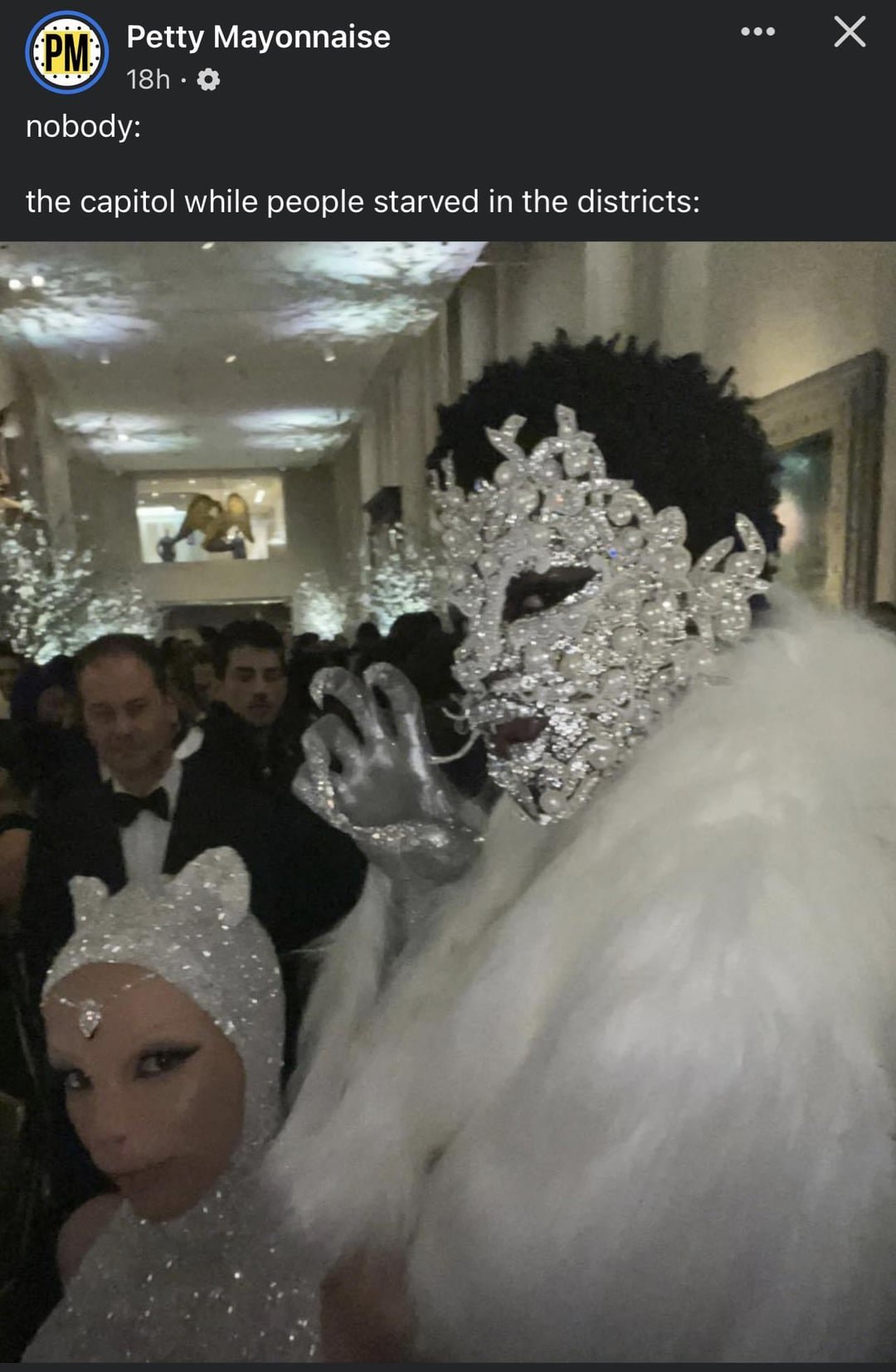
Unequal Distribution of Resources: The stark contrast between the Capitol’s wealth and the districts’ poverty is a crucial element. Sadly, this kind of inequality is also a real issue in our world. We see massive differences in wealth and resources within and between countries, and this unequal access can create a lot of social problems.
Suppression of Dissent: In Panem, any form of rebellion is brutally crushed. Again, this isn’t just fiction. Governments have suppressed dissenting voices throughout history, using force and intimidation to maintain their power.
So while we might not see a literal Capitol anytime soon, the underlying themes of political control, oppression, and inequality are rooted in real-world possibilities and past examples. It’s a reminder that we should always keep an eye on these factors.
The Technology of the Games: Are the Arenas Possible?
The arenas in the Hunger Games are technologically advanced, featuring controlled environments, genetically modified creatures, and complex traps. Could we really build something like that? It’s a tricky question.
Controlled Environments: We already have a basic grasp of controlled environments. Think of greenhouses, where we can alter temperature, humidity, and light. However, creating complex, large-scale ecosystems as seen in the Games, complete with varied climates and terrain, would require technologies far beyond what we currently have.
Genetically Modified Creatures: Genetic engineering is an advancing field. We’re learning more about how to alter the DNA of organisms. However, creating terrifying, lethal creatures like the muttations seen in the Hunger Games is a completely different matter. Ethical considerations and current technological limitations make the creation of these things a big leap to make.
Advanced Traps and Technology: The arena has lots of complex traps and surveillance systems. We can certainly build traps and surveillance systems, but the kind that the Games uses, which are often hidden and extremely deadly, are still in the realm of fiction and require highly complex engineering and technology.
So while we’re making strides in technology, we’re not at the point where we could recreate the complex arenas of the Hunger Games. The technology is, at this moment, too complex and requires resources that are not easily achievable.
The Social and Psychological Impacts
Beyond the technology and politics, the Hunger Games explores the social and psychological effects of a system that pits children against each other. This is where the lines between fiction and reality get blurry.
Desensitization to Violence: In Panem, people view the Games as entertainment. Sadly, we also have examples of desensitization to violence in our world, mostly through media. The constant bombardment of violent content can make it seem ordinary or less shocking.
The Psychological Toll on Participants: The tributes in the Hunger Games experience immense trauma. We know from real-world experiences that events like war and violence can have profound psychological effects on people, sometimes leading to issues like PTSD (Post-Traumatic Stress Disorder) and anxiety.
Loss of Empathy: The way people in the Capitol view the tributes highlights a chilling lack of empathy. This kind of disconnection from the suffering of others can be seen in certain historical events, where people in positions of power dehumanize their victims.
While we might not see children fighting to the death for entertainment, the psychological and social elements of the Hunger Games – like violence, desensitization, and the loss of empathy – sadly reflect issues that can occur in real-life situations. It teaches us about the importance of empathy and mental well-being.
The Entertainment Factor: Why Would Anyone Watch?
The idea that people would sit back and watch children kill each other is truly horrifying. But the series also touches on some uncomfortable truths about our society.
The Appeal of Reality TV: Reality TV shows, with their dramas and competitions, are hugely popular. The Hunger Games takes this concept to an extreme, but it highlights how people are interested in seeing other people’s lives being displayed, even if those lives are chaotic and stressful.
The Desensitization to Violence in Media: The popularity of violent video games and action movies may point towards a desensitization in society and an attraction towards violence. While fiction is different from reality, it could create a space where such a thing becomes normal.
Though real-life would likely look very different than what we see in fiction, it is important to understand why the concept of the Games is so disturbing. It forces us to think about our relationship with violence, media, and entertainment.
The Moral and Ethical Dilemmas
The Hunger Games brings up major ethical and moral questions. Would any society truly allow such an atrocity to happen?
The Value of Human Life: One of the most profound questions of the series is how a society can devalue human life to such an extent. Sadly, history shows us examples where people have been treated as expendable for political or ideological reasons. This lack of value for human life is something to worry about in modern times.
Responsibility and Apathy: The Capitol citizens who watch the games are also held accountable for their apathy and acceptance. In real-world situations, when faced with injustice, we can choose to be indifferent or to do something to make a change.
The Hunger Games presents the extreme version of moral and ethical corruption. It serves as a cautionary tale about what can happen when we lose our sense of humanity.
A World Without the Games?
Even though a full-blown Hunger Games scenario is unlikely, the themes explored in the series are essential to consider.
Importance of Education: Learning about history, social studies, and politics allows us to understand the systems that impact our lives. This will also enable us to recognize the warning signs of a growing power imbalance.
Importance of Critical Thinking: We must learn to critically evaluate information and sources, and think carefully before accepting what we’re told. This is very important for us to become informed citizens.
Active Citizenship: Standing up for human rights and working to create more just and equitable societies is the most vital lesson that the series teaches us. It’s a reminder that we have an influence on the future we build.
While The Hunger Games presents a dark future, it can serve as a guide that helps us reflect on our actions and how we contribute to our world.
The likelihood of a true “Hunger Games” happening is very low. The technology is far beyond what we have available, and hopefully, human compassion would prevent such a horrific event. However, the series shows that the seeds of such a dystopian society can be found within real-world issues like political control, inequality, and the erosion of empathy. The Hunger Games is, therefore, a call to action, encouraging us to value human life, question authority, and create a better world.
Are We Moving Toward a Real Life Hunger Games?
Final Thoughts
Therefore, while a televised death match is unlikely, the systemic inequalities depicted in the Hunger Games are real and must be addressed. The potential for extreme social control and manipulation exists, making the premise unsettlingly relevant. Could the hunger games happen in real life? While not in the exact form of the novel, the core issues of oppression and exploitation certainly mirror possible real-world dangers. We must remain vigilant against such tendencies.

