
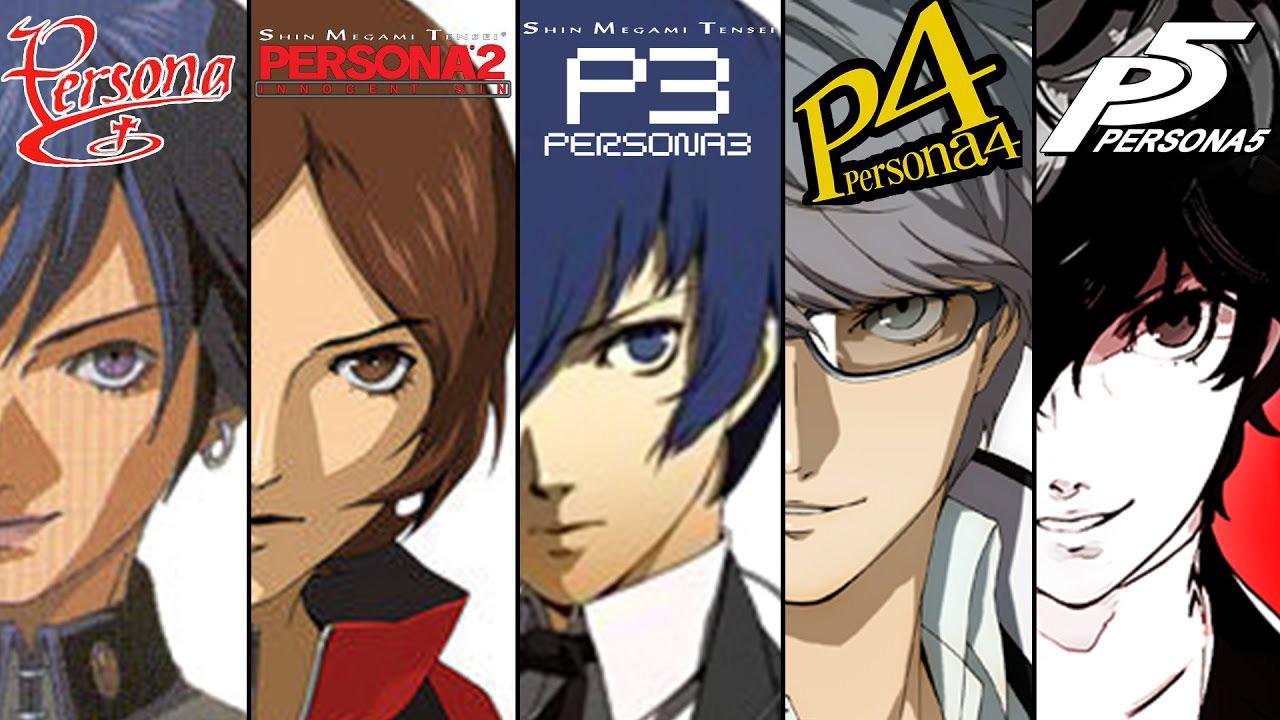
No, not all Persona games take place in the exact same universe, though they share similar thematic elements and some recurring characters exist across titles.
Have you ever wondered if the vibrant worlds and compelling stories of Persona are all connected? The thought that characters from Persona 3 could potentially bump into those from Persona 5 is certainly intriguing. This leads to a central question many fans ponder: do all Persona games take place in the same universe?
While the games are not in the same single universe, they clearly share a common foundation. You can see how the stories and mechanics build on each other. Plus, references and easter eggs between titles give a sense of a wider connected multiverse.

Do All Persona Games Take Place in the Same Universe?
That’s a super cool question! It’s something lots of Persona fans wonder about. After spending countless hours battling shadows and hanging out with awesome characters, it’s natural to ask if these amazing stories are all connected. Let’s dive deep into the world of Persona and figure out if they all share the same big playground.
The Core Concept: Velvet Room and Igor
Okay, let’s talk about something that appears in almost every Persona game – the Velvet Room! This is a strange place that exists between reality and the spiritual world. It’s often a place where the main character goes to get stronger, fuse Personas, and get help from its residents. The most important person in the Velvet Room is Igor. He’s this old guy with a long nose and a kind face, and he guides you on your journey.
- Igor’s Presence: Igor is like a consistent anchor. He’s there in almost every main Persona game, giving us clues that there might be a connection. He’s like the master of ceremonies in this strange space.
- The Velvet Room’s Purpose: The Room itself changes in each game, reflecting the main character’s mental state. It could be a limo, a prison, or a fancy elevator, but the core function remains the same. This ever-changing space gives a sense of mystery and connection.
- Residents Change, But Not the Role: While Igor is usually the head, other characters like attendants change from game to game. But their purpose stays consistent – to aid the main character in their personal journey.
Because Igor and the Velvet Room are in almost every game, it’s a big hint about a common thread. But it’s not the only evidence.
Recurring Themes and Concepts
Apart from the Velvet Room, there are other elements that keep showing up in different Persona games. These aren’t always things you can see, but more like ideas and themes.
The Collective Unconscious
One big idea in the Persona games is the Collective Unconscious. This is like a giant ocean of thoughts and feelings that everyone in the world shares. The Collective Unconscious can make things happen in the real world, and it’s where shadows, the bad guys in Persona games, come from. Think of it like the place where our deepest fears and hopes get together and form monsters.
- Shadows and Personas: Shadows are born from the negative parts of the Collective Unconscious. Personas, on the other hand, are like masks of strength that characters can use to fight shadows.
- The Metaverse: In some games, there’s a specific area connected to the Collective Unconscious, called the Metaverse or Cognitive World. These areas reflect the distorted desires of people and can affect the real world.
Persona Abilities
Persona abilities work almost the same way throughout the games. The main characters all use special abilities from their Personas to fight and help people, and they grow stronger with each battle, gaining new skills and powers. These abilities, called ‘elements,’ follow a basic rock-paper-scissors system, which you will find throughout the different Persona titles. These rules remain consistent across the games, pointing towards a common framework.
Direct References and Easter Eggs
Okay, now let’s talk about the fun stuff: actual references to previous games! Sometimes, the developers throw in little hints that the worlds might be connected. These are small, but definitely make you wonder.
- Character Cameos: You might see a character from a previous game mentioned in a magazine or newspaper. For example, some characters from Persona 3 are mentioned or seen in Persona 4. These are small, but can make you go “Woah, that’s awesome!”
- Shared Locations: Sometimes the games take place in the same area, even if it’s a different town. So even if the stories are different, you might still see some familiar places.
- Items and Abilities: In addition to familiar places, some items and abilities that may only be available in one title may later be seen in future titles of the series.
While these references might seem small, they help to make the Persona universe feel more cohesive. But are these simple easter eggs, or real threads that tie the games together?
The Case for Separate Worlds
Despite the hints and connections, there’s a lot that suggests that each Persona game is its own separate story. Let’s look at the points for each game being a different universe.
Different Timelines and Settings
Each Persona game has its own unique story, characters, and setting. Each game takes place in a different time frame, with different social events. Characters do not usually share the same world, they are on their own journeys, learning their own personal lessons. The core problems and challenges differ significantly in each title.
- Unique Main Characters: Every game has its own hero with its own unique story and abilities.
- Different Social Problems: Each game deals with unique social issues that have evolved with time. These problems and challenges change from game to game.
- Specific Towns and Cities: While some games might be in the same general region, each game focuses on its own town or city, with its own culture and story.
No Direct Crossover Events
Even though there are small hints, there aren’t any major crossover events where characters from different games meet up for one giant adventure. The stories in the games may happen alongside each other, but never do the characters from each game directly interact. Each team battles their own version of the collective unconscious.
- Individual Struggles: Each game focuses on a specific set of characters who are learning to understand their own lives.
- Independent Plotlines: While they all use the same basic structure, each game is written to be played on its own without knowledge of the previous ones.
The Meta-Narrative Angle
Here’s a cool way to think about it: maybe the Persona games aren’t meant to be connected in a direct way, but instead in a “meta” sort of way. The shared elements like the Velvet Room, shadows, and the Collective Unconscious are more like rules of a game world or parts of the same system, and not necessarily an indicator of a single connected world.
Thematic Resonance
Think of each game as a new story in a series of tales that explores the human condition. The games delve into themes of self-discovery, societal expectations, and personal growth. This means that while the specifics might differ, the underlying themes resonate from one game to the next. Each story, while different, plays with the same core ideas. Think of it like a series of folk tales that teach the same moral lesson but use different characters.
- Common Themes: The themes of rebellion, friendship, and facing your true self show up across all the games.
- Psychological Depth: The way the games explore psychology is very similar, even if the details change.
The Power of Choice
The way the main characters navigate their worlds is the main similarity between each title. You are able to make choices as the main character and grow your relationships with different people in the game. While you play different characters, this element is present throughout the entire series.
- Social Links/Confidants: The mechanics of building relationships with characters play an important role in every Persona game.
- Story Choices: The choices that are available also influence the story of each title, making the game more personal for the player.
Spin-offs and Side Games: Complicating the Matter
To make the matter even more complex, let’s talk about the spin-offs! There are games like Persona Q and Persona Q2 that bring characters from different games together. These games are fun crossovers, but they don’t necessarily mean all games are in the same world. They’re more like “what if?” scenarios that create a fun adventure. These spin-offs allow for team-ups between your favorite Persona teams, but they are not taken as a canon occurrence.
Spin-Offs Are Not Core Canon
These spin-off games often use a simplified version of the core gameplay while adding a crossover element to create a unique experience. Think of them like fanfiction, where characters can meet and work together despite their original story having them existing in different worlds.
- Fan Service: These games are more focused on fun and fan service than on adding to the overall lore.
- Simplified Story: The spin-offs do not always follow the same plotlines as the core games, making them different stories.
The Anime and Manga Adaptations
Just like with the spin-offs, the anime and manga of the Persona series often adapt the stories but can also add new elements or change some details. They offer another perspective on the game’s narrative without truly confirming that every title exists in one universe.
- Adaptations, Not Canon Extensions: These mediums are adaptations and interpretations of the game’s world.
- Differing Details: They sometimes vary from the games, presenting their own unique approach to the material.
These extra materials are fun to explore, but they do not necessarily answer the question of whether the games are in the same universe.
Persona's Shared Universe Timeline (feat. @Macca) | A Line Through Time
Final Thoughts
Ultimately, the question of whether all Persona games take place in the same universe is complex. While certain elements and recurring characters suggest a shared world, specific game details often contradict this. The core concept of the Velvet Room and Igor appears consistently.
This makes it a sort of multiverse, rather than a singular timeline. The games might be separate instances with similar rules. The answer to the question, ‘do all persona games take place in the same universe’ must be viewed through this lens of varying consistency.

