
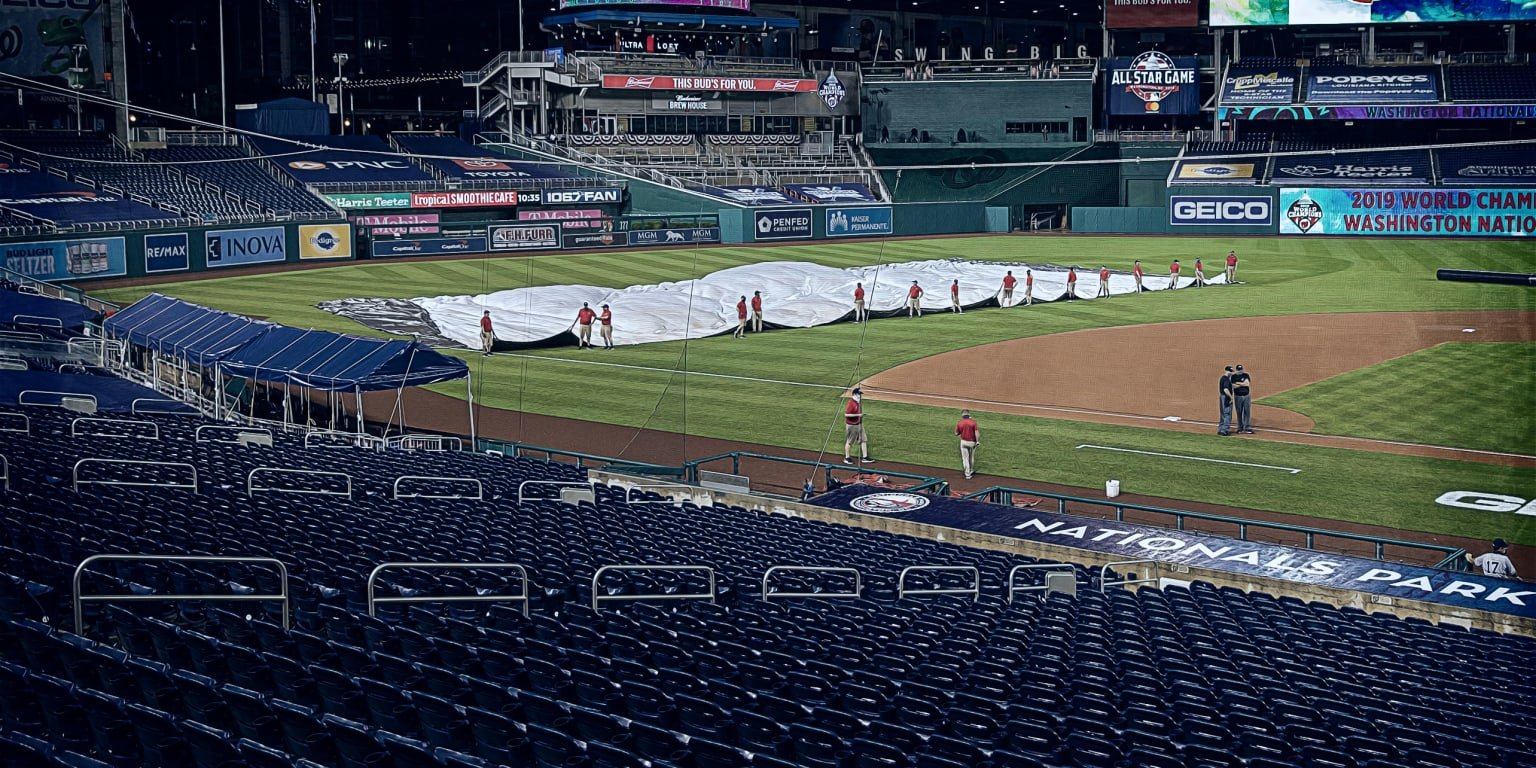
No, baseball games do not typically play in the rain, they are usually delayed or postponed due to weather conditions.
Ever wondered if those exciting baseball matches continue even when the sky opens up? It’s a common question: do baseball games play in the rain? The truth is, most of the time, they don’t.
Heavy rain makes the field unplayable and poses risks to the players. Officials prioritize safety, often opting for delays until the weather clears up. This keeps the game fair and safe for everyone.

Do Baseball Games Play in the Rain?
Have you ever wondered if baseball players keep playing even when it starts to rain? It’s a good question! The answer isn’t always a simple yes or no. It depends on a lot of things, like how hard it’s raining and what the rules are for that particular game. Let’s dive deeper into why rain affects baseball games.
The Basic Rules: Rain Delays and Postponements
In baseball, rain can cause two main things: rain delays or postponements. A rain delay means the game stops for a while, and then, if the weather gets better, the game continues. A postponement, on the other hand, means the game is canceled for that day and will be played later. Understanding the difference is key to knowing why sometimes baseball games keep going in the drizzle and why sometimes they don’t.
What Happens During a Rain Delay?
When rain starts to fall, the umpires are in charge. They are the ones who decide if the game should stop. They look at a few things: how much it’s raining, the condition of the field (is it getting muddy or slippery), and if there’s lightning nearby. Lightning is super dangerous, so that’s always a big reason to stop a game immediately. If the umpires decide it’s too risky to play, they will call for a rain delay. During a delay, the players go to the dugout or locker room to stay dry, and the grounds crew covers the infield with a large tarp to protect the dirt from getting too wet.
- Umpires make the call: They decide when to stop and start play.
- Safety first: Lightning or very heavy rain will always stop the game.
- Grounds crew steps in: They protect the field with a tarp.
- Players take a break: They wait in a safe and dry spot.
What Makes a Game Get Postponed?
Sometimes the rain is just too much to handle, and it’s clear that the game won’t be able to continue that day. If the rain is really heavy and it looks like it will keep raining for a long time, the umpires will call a postponement. This is also common if the field becomes unplayable, meaning that it’s too muddy or too slippery for the players to play safely. Once a game is postponed, it’s rescheduled for a different day, which is often later in the season.
There are some other reasons for a postponement as well. Sometimes, for example, if the field has very poor drainage, even a small amount of rain can make it unplayable. Also, sometimes if there are very high winds with the rain, it can be unsafe for fans and players alike, so that too may result in a postponement.
- Heavy, persistent rain: If it rains hard for a long time, it might be postponed.
- Unplayable field: Muddy or slippery conditions can stop the game.
- Rescheduling: Postponed games are moved to another day.
How Different Leagues Handle Rain
Different baseball leagues can have slightly different rules about rain. For example, in Major League Baseball (MLB), the umpires have the final say. The game can be stopped or paused during the game. The game can also be shortened to be official if the game cannot complete 9 innings due to weather. In other leagues, such as minor league baseball, or amateur baseball leagues, different rules may apply. In some amateur leagues, they might try to play through light rain, while in others they might be more quick to call the game.
Major League Baseball (MLB)
MLB has very specific rules for weather delays and postponements. MLB umpires make the decision on whether a game is delayed or postponed. Usually, if the game is at least 5 innings completed, and then the game is called due to rain, then the game is declared official. Also, there can be a few different rules with doubleheader games. For example, sometimes there are 7-inning games on a double-header. Usually, when a game is postponed, they try to reschedule the game for later in the season.
Minor League Baseball
Minor league baseball teams sometimes will have different regulations depending on their level. Umpires usually make decisions, and rain delays and postponements happen in the minor leagues too. Since minor league teams often are affiliated with MLB clubs, they often follow similar protocols as MLB.
Little League and Other Amateur Leagues
In Little League and other amateur baseball leagues, the rules can be a bit different. Sometimes coaches have a say in whether a game can play through light rain. The focus on safety is still the same, so if there’s lightning, the games will be stopped. But if it’s just a light drizzle, they might try to play, which isn’t done at the major league level. These organizations try to get as many games in as they can, but safety is always a big concern.
- Local rules matter: Community leagues often have their own rules.
- Safety is still key: Even in smaller games, lightning is a no-go.
- Coaches may have a say: Sometimes, coaches can help decide in minor rain situations.
The Field’s Condition: A Big Factor
The condition of the baseball field is a really important factor in whether a game is played. If the field is too wet, it can be dangerous for the players. A muddy field is not good for running and sliding. If the field becomes slippery, players can slip easily, potentially leading to injuries. That’s why the grounds crew works hard to keep the field in good shape. They also have systems to drain the water away from the field so that the field doesn’t become a big puddle.
Drainage Systems: How Fields Stay Playable
Many modern baseball fields have special systems to help water drain away quickly. These drainage systems are installed under the field to remove water that goes through the grass and dirt. Sometimes this includes pipes, gravel, and sand to allow water to go down into the ground more easily. This technology helps the field recover quicker and allows the players to continue the game with minimal interruptions.
The Grounds Crew: Unsung Heroes of Baseball
The grounds crew plays a vital role in maintaining the field. They use big tarps to cover the infield when it starts to rain to try to keep the dirt dry. They also make sure the field is smooth and ready for play. They work tirelessly to make the field as playable as possible. Their job is extremely important to the players and fans alike.
- Drainage systems: Underground networks help water flow away.
- Tarps in action: Large covers protect the infield from rain.
- Constant care: Grounds crew works hard to maintain the field.
Technology and Weather Prediction
Technology plays a big part in today’s baseball games. Modern weather forecasts and radar systems allow baseball officials to monitor storms and predict rain. This helps them make decisions about rain delays and postponements quickly. This use of technology and weather science helps the umpires determine when to start or stop the game and they can even try to schedule the game around the weather in certain situations. So when your favorite team is playing, know that they use science and technology in addition to the umpires to determine if the game should be played, delayed, or postponed.
Radar and Weather Apps
Team officials often use weather apps and radar systems to track where rain is coming from. These tools can give them an idea of how much rain there will be and when it might hit. These weather prediction tools help to plan for rain delays or postponements ahead of time, to give the players and fans as much advance notice as possible. In some instances, they can even use weather tracking to predict when rain might come or go in order to shorten the delay time.
Impact of Accurate Forecasting
Accurate forecasting can help officials make the best decision for both players and the fans. Knowing how severe a storm will be or how long it will last helps them decide whether to wait out a delay or postpone the game altogether. These forecasts can also help to keep fans safe and allow people to make an informed decision on whether to attend the game. These weather apps can sometimes even be used by the fans, if the fans want to know if the game will be delayed or postponed.
- Radar is used: Teams track storms with weather tech.
- Advance notice: Forecasts help plan for delays or postponements.
Safety is the Top Priority
The most important thing in any baseball game, rain or shine, is the safety of the players and fans. Umpires and baseball officials never want to take unnecessary risks. Lightning strikes are extremely dangerous, and when there’s even a small chance of lightning, the game will be stopped. The officials also need to be sure that the field isn’t too wet and slippery for the players, to prevent injury. Remember that even though baseball games are fun and exciting, safety always comes first.
Lightning Protocol
Lightning is extremely dangerous and a very serious concern for baseball games. When there is lightning in the area, the game will always be stopped immediately. Teams and umpires follow very specific protocols to ensure safety. They may clear the field and even require the fans to go inside the stadium until the lightning has subsided. They follow a rule called “30-30” rule, where if there is lightning within 30 miles, they need to take precautions, and they need to wait 30 minutes after the last lightning strike to resume play. These safety measures are very important to keep everyone safe.
Injuries and Slippery Conditions
Even without lightning, a slippery field can cause injuries. Players might slip while running the bases or fielding the ball, leading to sprains, strains, or other problems. When conditions are too wet, the umpires would rather delay the game or postpone it instead of risking player safety. Because these games can be dangerous, keeping players as safe as possible is extremely important.
- Lightning is very dangerous: Games are stopped for lightning.
- Preventing injury: Games are stopped if the field is unsafe.
- Safety first: Keeping everyone safe is always a priority.
So, do baseball games play in the rain? Sometimes, but not always. The answer depends on how much it’s raining, what the field looks like, and the rules of the league. Safety is always the top concern for baseball games, so if it is too dangerous, baseball games will always be postponed.
MLB Bad Weather Games
Final Thoughts
Baseball games typically proceed through light rain. Officials, however, will postpone games if heavy downpours or lightning pose player safety risks. Field conditions also matter, as waterlogged grounds become unplayable.
The decision to halt a game rests with the umpire and team management. So, do baseball games play in the rain? Yes, under specific weather circumstances they must continue, but safety always remains the primary focus.

