
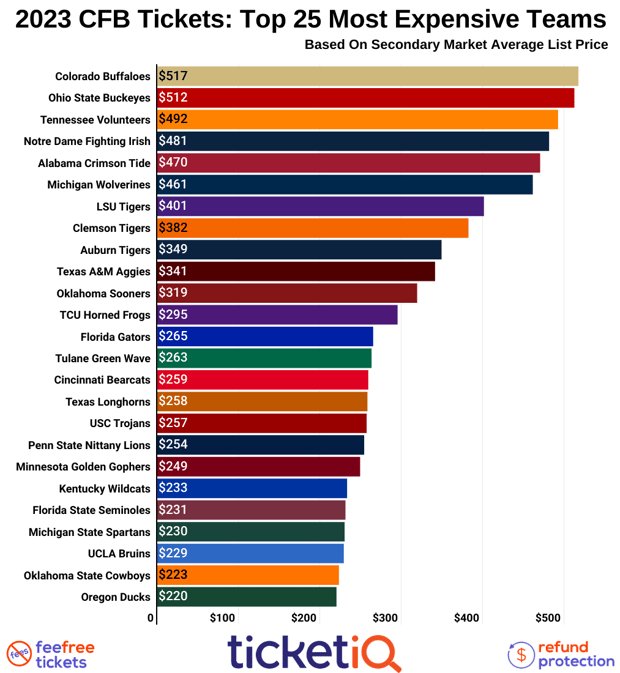
Yes, college football tickets often get cheaper closer to the game, especially if the game isn’t a highly anticipated match-up.
Planning to catch a college football game? Many wonder, do college football tickets get cheaper closer to the game? The ticket market can fluctuate a lot. As game day approaches, sellers might lower prices to ensure they sell remaining tickets.
This strategy is especially true for less popular games. Keep an eye on secondary markets. You might just find a great deal at the last minute.

Do College Football Tickets Get Cheaper Closer to the Game?
It’s the question on every college football fan’s mind: should you buy tickets early, or wait until the last minute for a better deal? The answer, like a good football game, is complex and depends on many factors. Let’s dive deep into the world of college football ticket pricing and figure out when you should be hitting that ‘buy’ button.
Understanding the Ticket Market
Before we can talk about prices dropping, we need to understand how the ticket market works. It’s not like buying groceries. Instead, it’s more like an auction where the price changes based on who wants the tickets and how badly they want them. Several elements play a big role in this price dance.
The Role of Demand
Demand is probably the biggest player in ticket pricing. If it’s a huge game—like a rivalry game or a match-up between two top-ranked teams—the demand for tickets will be super high. When lots of people want the same thing, the price goes up. This is basic supply and demand in action.
Rivalry Games: Think Alabama vs. Auburn, or Michigan vs. Ohio State. These games sell out fast, and the prices can get pretty wild.
Top-Ranked Teams: When a team is doing really well, everyone wants to see them play. This also pushes prices higher.
Homecoming Games: Many alumni come back for homecoming, which means more people are looking for tickets.
The Impact of Supply
Supply is the other side of the coin. The number of tickets available also changes the price. If a stadium has lots of seats and it’s not a particularly popular game, there will be plenty of tickets to go around. With many options available, sellers might lower the price to make sure they sell all their tickets.
Stadium Size: Bigger stadiums tend to have a better chance of having lower ticket prices, especially if it’s not a huge game.
Opponent’s Ranking: A game against a lower-ranked team might not attract as many fans, leading to more tickets being available at lower prices.
Time of Season: Early-season games, or those after a team has had a few losses, might not be as popular as late-season ones, resulting in more supply and potentially lower prices.
Ticket Sellers: The Different Players
There are various places you can buy college football tickets. Each platform might have a different approach to pricing.
The University Ticket Office: Buying directly from the university is usually the most straightforward way to get tickets, especially for season ticket holders. Prices are often fixed, but these tickets can sell out fast.
Secondary Ticket Marketplaces (like StubHub, Ticketmaster): These platforms allow fans to resell their tickets. Prices here are controlled by the sellers, not the platform. So, you’ll see a lot of fluctuations. This is where the “do tickets get cheaper closer to the game?” question becomes very relevant.
Individual Sellers: Sometimes, people sell tickets on their own through social media or local websites. Prices can vary here and it’s important to be very careful to avoid scams.
The Timing Game: When Do Prices Change?
So, with the basic market understanding covered, let’s get to the heart of the question: do college football ticket prices go down closer to the game? The answer is… sometimes. There are factors that make this a possibility, but it’s not a guarantee.
The Potential for Price Drops
Here’s the scenario where you might get a deal by waiting:
Resellers Getting Nervous: As game day gets closer, resellers who haven’t sold their tickets yet might get worried. They don’t want to be left with unsold tickets, so they start lowering prices to get rid of them.
Last-Minute Ticket Releases: Sometimes, the university ticket office might release a few unsold tickets right before the game. This could create a small chance to grab tickets at face value, which can be less than the prices of resellers.
Change in Team Performance: If a team unexpectedly loses a couple of games leading up to game day, demand and prices might go down as enthusiasm wanes.
Bad Weather: Unfavorable weather forecasts may cause some ticket holders to decide not to attend, increasing supply and potentially reducing prices.
When Prices Can Rise
Waiting isn’t always the best idea, and it can backfire. There are scenarios where prices can get even higher as the game gets closer.
Injuries: If star players for either team suffer injuries close to the game, fans may try to buy tickets to see the other team’s star. This can lead to a surge in demand for the game.
Positive Team Momentum: A hot team, riding a winning streak, will see increased interest as game day nears, driving up ticket costs, especially if it is a marquee game.
Last Minute Demand Surge: A last minute announcement about a special event surrounding the game can cause a mad rush for tickets, with prices going up sharply.
Strategies for Buying Tickets
Navigating the college football ticket market can be tricky. Here are some tips to help you get the best deals.
Early Bird vs. Last-Minute: Finding the Balance
There is no one-size-fits-all solution. Here’s a breakdown to help you decide your approach:
Early Bird Advantages:
Better Seats: Buying early typically means you’ll have a better selection of seats.
Guaranteed Entry: You’re certain to get into the game and avoid last-minute disappointment.
Peace of Mind: If you have a game you really want to attend, buying early reduces stress.
Last-Minute Gamble:
Potential Savings: There’s a chance to save some money if prices drop.
Flexibility: You can adjust your plans based on the situation of teams.
Tips for Scoring the Best Tickets
Here are some best practices when you are buying tickets:
Set Price Alerts: Most ticket marketplaces let you set up alerts. You can choose your target price, and the platform will notify you if a ticket comes down to your price range.
Be Flexible with Seating: Being open to different seating areas might mean snagging a good price.
Follow Team News: Stay up-to-date on team performance, injury reports, and weather forecasts to determine if prices will rise or fall.
Check Different Marketplaces: Check prices across multiple platforms. Each might have slightly different prices and different fees.
Consider Weekday Games: Weekday games often have lower demand than weekend games.
Attend Games Early in the Season: Generally, early-season games are not as popular as late-season games, often leading to reduced prices.
Use Social Media to your Advantage: Join fan groups or online communities, as you may find individuals selling tickets directly at a discount.
Avoiding Ticket Scams
Sadly, not everyone is honest when selling tickets. Here’s how to stay safe:
Buy from Reputable Sources: Stick with the university ticket office or well-known secondary marketplaces.
Check Seller Reviews: When using secondary marketplaces, look at seller ratings. Avoid sellers with low ratings.
Use Secure Payment Methods: Use credit cards or trusted payment platforms, as you might have more protection against fraud.
Be wary of deals that seem too good to be true: If a price is way below market value, it is a possible scam.
Case Study: A Look at Historical Data
While every game is unique, looking at past trends can be helpful. Historically, tickets for high-demand games rarely get cheaper. However, some trends are visible.
Regular Season Games: The price trends for regular season games have more variability. Prices sometimes drop significantly within a week of the game, especially if the team is underperforming.
Rivalry Games: Rivalry games almost never go down, and sometimes get even more costly due to high demand.
Playoff and Bowl Games: Playoff and bowl games usually follow the same trends as rivalry games. The closer you get to the game, the pricier the tickets tend to become.
The Impact of the Digital Age
The internet and social media have changed the ticket market significantly. Here’s how:
Instant Information: Today, you can see ticket prices in real-time, which helps you track price changes.
Increased Transparency: You can compare prices across different platforms, ensuring you make a fair buying decision.
Direct Sales: Social media has facilitated direct sales between individuals, making it simpler to secure deals.
The question of “do college football tickets get cheaper closer to the game” doesn’t have a single answer. It’s more about understanding the market, being strategic, and knowing when to make your move. There’s no guarantee that you’ll get a cheaper price by waiting but by understanding the different factors, you can make informed decisions that increase the likelihood of attending games without breaking the bank. By combining patience, diligence, and knowledge of the factors driving the ticket market, fans can better enjoy the excitement of college football.
Stubhub Tickets Cheap Tips & Tricks How to Simple Advice Anyone should do Sports Concerts Football
Final Thoughts
Generally, college football tickets do not consistently get cheaper closer to the game. Demand heavily influences price, and popular matchups often retain or even increase in value as game day approaches. Some tickets might experience a price drop, but it is risky to bank on that possibility.
Waiting till last minute poses a gamble. While occasional deals exist, the best strategy usually involves purchasing tickets early. If you ask “do college football tickets get cheaper closer to the game?”, the answer is not a definite yes. Consider buying early to guarantee your spot.

