
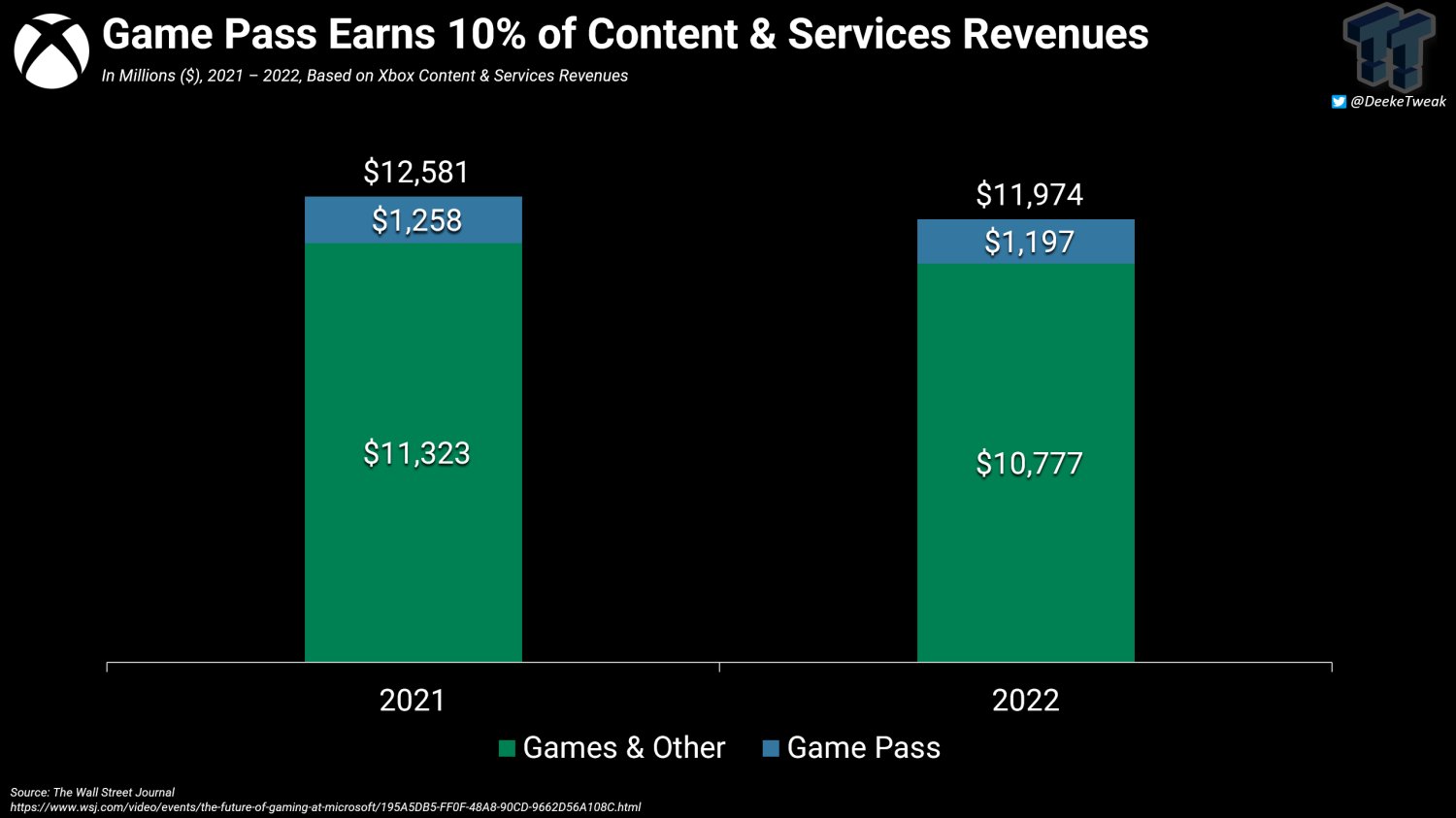
Determining if Game Pass is profitable is complex, with varied revenue streams and significant ongoing costs; it likely isn’t uniformly profitable across all aspects for Microsoft.
The question on everyone’s mind: is game pass profitable? It’s a query many gamers and analysts debate often. The monthly subscription service offers tons of games, but its financial viability is not straightforward. Let’s explore the various factors that make this a complicated financial assessment.
Analyzing success of Game Pass requires deep insights into subscriber numbers, development costs and licensing agreements. The service clearly attracts lots of users. But, whether this translates directly to consistent profitability needs more careful evaluation.

Is Game Pass Profitable? A Deep Dive
Let’s talk about Xbox Game Pass. It’s like a giant video game library that you can access for a monthly fee. It sounds super cool for gamers, but is it really making money for Microsoft? That’s the big question we’re going to explore today. We’ll look at all the different angles, see who wins and who might lose, and try to figure out if Game Pass is a smart business move.
The Basics of Game Pass
First, let’s make sure we all know what Game Pass is. It’s a subscription service, kind of like Netflix but for video games. You pay a monthly fee, and you get to play a whole bunch of games without having to buy them individually. There are two main tiers: Game Pass for Console and Game Pass Ultimate.
Game Pass for Console: This lets you play games on your Xbox console.
Game Pass Ultimate: This is the big one! It includes everything in Game Pass for Console, plus access to games on PC and cloud gaming (playing on your phone or tablet). It also includes Xbox Live Gold, which is required to play many games online.
This service includes a lot of big-name games and smaller indie titles. They add new games all the time, and some games leave. It’s a constant cycle of new and old, so there’s always something new to play. The key thing is, it’s a subscription, not outright purchase.
The Money Angle: How Does Game Pass Make Money?
Okay, so how does Microsoft actually make money with Game Pass? It’s not as simple as people paying a monthly fee. Here are some key ways they are generating revenue:
Subscription Fees: This is the obvious one. People paying for Game Pass every month is a direct source of income. The more subscribers, the more money Microsoft makes.
Attracting New Gamers: Game Pass acts as an “attraction tool.” It can bring in people who might not otherwise buy an Xbox console or PC for gaming. Once they’re in the Xbox ecosystem, they’re more likely to buy more games or other related items.
Game Sales (Indirectly): Even though Game Pass offers access to many games, some players will still purchase the title they really enjoy. They may want to own it, even if it’s on Game Pass, so that it’s always available to them or if the game were to leave the service. Game Pass also creates a situation where players find a game they may have otherwise ignored, enjoy it, and then buy other related games from that franchise.
Day-One Releases: Microsoft sometimes releases major games directly on Game Pass on the first day they are available. This is a big deal for players who get to play new games instantly, and it draws even more people into the service.
Cloud Gaming: Game Pass Ultimate lets people play on devices that wouldn’t normally handle video games, like phones and tablets. This opens up the market to more potential players.
The Cost of Running Game Pass
But running Game Pass isn’t free. Microsoft has to pay a lot of money for the following:
Game Rights: They need to pay the studios or game developers for the right to put their games on Game Pass. This can be a lot of money, especially for the big games.
Server Costs: Hosting the service and making sure everyone can play without lag requires powerful servers. This is expensive to maintain.
Development Costs: Microsoft is developing their own games and spending millions for their production. This cost must also be absorbed by Game Pass.
Marketing: They need to spend money on advertising to make sure people know about Game Pass and sign up.
Analyzing the Potential Profit
So, is it really profitable? Here’s a breakdown of the good and not-so-good:
The Good
Recurring Revenue: Subscriptions provide a steady income stream every month, as opposed to one-time purchases. This makes it easier for Microsoft to predict their earnings.
Growth Potential: Game Pass has continued to grow in popularity, and there’s still lots of space for growth. The more people using it, the more it can grow the revenue.
Ecosystem Lock-In: People who use Game Pass are much more likely to stay in the Xbox ecosystem and continue to buy their games, hardware, and accessories through Microsoft.
More Data: Microsoft gets a lot of data about what games people are playing, and how long they’re playing them. This helps them understand what people want and helps them make better games in the future.
The Challenges
High Initial Investment: Getting all the games for Game Pass takes a lot of money.
Keeping Players Engaged: The catalog has to stay interesting to keep people subscribed each month.
Balancing Game Quality: Putting games on Game Pass can sometimes make players less likely to buy new games at full price. So, Microsoft needs to find the right balance to encourage game sales.
Who Benefits From Game Pass?
It’s not just about Microsoft making money. Let’s look at who else benefits from Game Pass:
Gamers: Players get to play a lot of games for a single monthly fee, which is much cheaper than buying them individually.
Smaller Game Developers: Game Pass gives smaller game makers a chance to get their games played by a lot of people. This is good for developers who may not be well-known yet. It helps them get discoverability and provides revenue even if the game isn’t selling millions of copies.
Microsoft: Game Pass helps them to keep customers engaged in the Xbox ecosystem, and it brings them a steady income. It also gives them lots of important player information.
Who Might Lose?
Traditional Game Retailers: As more people use Game Pass, there are fewer people buying games from stores. This could hurt retailers that sell games.
Game Publishers: If too many people play games on Game Pass rather than buying them outright, it might affect how game publishers make money. This forces publishers to consider this subscription model and make hard decisions about game sales.
The Impact on the Video Game Industry
Game Pass is not just a subscription service, it’s changing the whole video game world. Here’s how:
Subscription Model: It’s making subscription services more normal in the game industry. This means that, like TV and movies, more people might pay for games through monthly fees.
Discoverability: Game Pass helps players find new games they might not have tried otherwise. This creates new opportunities for game developers.
The Future of Gaming: The subscription model for video games is here to stay, and it will continue to influence how games are made and played. Microsoft is helping lead that way, and other companies are watching very closely.
Long-Term Sustainability of Game Pass
The question isn’t just if Game Pass is profitable now, but if it will continue to be profitable in the future. Here are some points to consider:
Growth Limits: How many subscribers can Game Pass realistically reach before they get close to their saturation point? There will be a limit to the number of subscribers at some point.
Competition: Other companies are making their own game subscription services, so how will Microsoft stay on top? The competition for subscription gaming is heating up, and Microsoft needs to stay ahead of the curve.
Content Strategy: Will Microsoft always be able to offer big and exciting games in the Game Pass catalog? The quality of content and regular new releases are vital to maintaining subscriptions.
Pricing: Will Microsoft eventually need to raise the subscription prices to keep the service going? If prices go up too much, people may unsubscribe and find alternatives.
Analyzing Game Pass on Different Platforms
Game Pass works on different platforms like consoles, PCs, and even phones. Each platform has its own benefits.
Xbox Consoles
Xbox consoles are still the heart of Game Pass. Players on consoles are more likely to be regular gamers and are comfortable with how a console works.
PC
Game Pass on PC is growing quickly. It gives players access to games that they could normally only play on an Xbox. This helps bring PC gamers into the Microsoft gaming ecosystem.
Cloud Gaming
Cloud gaming, with Game Pass Ultimate, makes gaming more flexible. Players can access games on their phones or tablets. This opens the door for more casual gamers to experience titles without needing a console or a PC.
The Role of First-Party Games
Microsoft makes some of their own games. These are called first-party games. They are vital for Game Pass.
Day-One Releases: Big Microsoft games are often released on Game Pass on the day they come out. This brings in many new subscribers.
Exclusivity: Some Microsoft games can only be played on Game Pass. This makes the service more appealing to those interested in these games.
Quality and Value: The quality of the first-party game releases is crucial for maintaining and expanding the Game Pass subscriber base. High-quality releases add significant value to the subscription.
The Business Perspective
Looking at this from a purely business perspective, here’s what stands out:
Long-Term Strategy: Game Pass is part of Microsoft’s plan to create a whole ecosystem for gaming. They aren’t only looking at the immediate profits but are also building a platform for future growth.
Subscription-Based Model: This model provides long term, dependable income stream. This is very different from traditional, one-time sales that are unpredictable.
Data-Driven Decisions: Microsoft gets lots of information from Game Pass about what people like to play. They are using this information to make smart decisions about future games.
Game Pass and the Future of Gaming
Game Pass is changing the video game world. Here are some ways it will affect how we play in the future:
Subscription Dominance: We’ll likely see more subscription services for video games in the future. It might become the most common way to access games.
More Flexibility: Cloud gaming means you can play games on a greater variety of devices. This makes gaming more accessible to everyone.
More Diverse Games: Game Pass could help smaller, indie developers get their games out to a wider audience. This may give us more varied and unique games.
In conclusion, determining if Game Pass is profitable is not a simple yes or no answer. It’s a complex business model with potential for massive gains and inherent risks. The current signs indicate it’s a successful service, driving revenue and expanding the gaming ecosystem for Microsoft, and offering great value to consumers. The long-term success of Game Pass, however, will depend on various factors, including Microsoft’s ability to continue offering compelling content, navigate the increasing competition, and adapt to the evolving preferences of gamers. It’s likely that this service will continue to shape the gaming industry for many years to come.
Xbox Game Pass is Profitable, but the Price May Go Up Soon
Final Thoughts
Game Pass’s profitability is complex. It depends heavily on subscriber numbers and game development costs. The service’s value for users is clear, but financial success for Microsoft is less transparent.
Analyzing the overall impact, the question remains: is game pass profitable? We see potential, but consistent growth and manageable expenses will determine if this subscription model remains a financially viable cornerstone for the company.

