
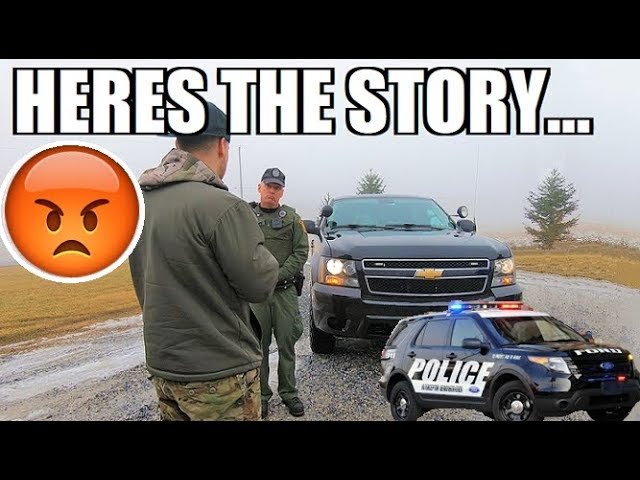
Yes, game wardens can pull you over for speeding in many jurisdictions, especially if the speeding occurs on roads within their designated patrol areas.
Ever wondered if that truck with the wildlife decal could stop you? It’s a common question: can game wardens pull you over for speeding? The answer isn’t always straightforward, and it depends greatly on state laws and the specific warden’s authority.
These officers often patrol areas where traffic laws might not be strictly enforced by regular police. Their primary focus is conservation, but they also have a responsibility to maintain safety on roads they oversee.

Can Game Wardens Pull You Over for Speeding?
The short answer is: it’s complicated! Whether a game warden, also sometimes called a conservation officer, can pull you over for speeding really depends on a bunch of factors, mostly related to where you are and what kind of authority they have in that specific area. It’s not a simple yes or no. Let’s dive into the details so you understand when and why a game warden might flash their lights at you.
Understanding the Role of a Game Warden
Before we get into the nitty-gritty of traffic stops, let’s take a moment to really understand what a game warden does. These dedicated men and women are primarily focused on protecting our natural resources. Think of them as the police force for the great outdoors. Their main responsibilities include:
- Enforcing hunting and fishing laws
- Protecting wildlife and their habitats
- Ensuring boating and water safety
- Investigating environmental crimes
- Educating the public about conservation
They spend a lot of their time in forests, on lakes, and in remote areas, which means they’re often patrolling in places where regular police might not be present. So while their focus isn’t primarily on traffic, they do often have overlapping jurisdiction when it comes to the roadways.
State-Specific Authority: It’s Not Uniform
Here’s a crucial point: game warden authority isn’t the same in every state. What a game warden can do in Texas might be very different from what a warden can do in Maine. Most states give their conservation officers some level of law enforcement authority, but it varies greatly. This is why it’s so important to check the laws and regulations in your specific location.
Full Law Enforcement Authority
Some states grant their game wardens full law enforcement authority. This means they have the same power as regular police officers, including the ability to pull you over for any traffic violation, including speeding. In these states, they might be wearing a uniform that looks similar to other law enforcement officers and driving marked vehicles. They are trained to respond to various types of crimes, not just those related to fish and wildlife. For example, some might have training in accident investigation, drug interdiction, and even domestic disputes. They can make arrests, write tickets, and process individuals through the court system.
Limited Law Enforcement Authority
On the other end of the spectrum, some states give game wardens only limited law enforcement authority. They might be able to stop you for traffic violations only if they are directly related to their core duties. For instance, they might pull you over if they suspect you’re transporting illegally harvested game or fishing gear, and your speed or driving conduct gives them cause to believe a wildlife violation is occurring. They might also be able to pull you over for obvious safety issues, such as drunk driving, particularly in areas near bodies of water. In some instances, they can’t write citations for speeding, but they can call in the state or county police to handle the situation.
No Law Enforcement Authority
In a small number of places, game wardens may not have general law enforcement powers at all. They might need to call in other officers for any issues that don’t directly involve fish and game violations. This doesn’t mean they don’t carry a badge and a gun. It means their main focus is solely on wildlife matters.
The Reason For the Stop Matters
Even if a game warden can pull you over for speeding in your state, the reason for the stop is important. Most game wardens won’t pull you over just for going a few miles over the limit on a highway. Their main priority is protecting resources. Here are some situations where they might be more likely to engage in a traffic stop:
- Driving erratically near a fishing area or a hunting area, leading them to think you’re trying to hide something
- Driving excessively fast in an area known for wildlife crossings, especially at night
- Speeding near a body of water, since they enforce boating regulations
- If you’re a suspected poacher and speeding to avoid apprehension
- If they see you actively violating game laws and are using the traffic stop as a means to get to you
Vehicles and Identification
Game wardens, depending on the state, can use unmarked vehicles, marked vehicles that look like police cruisers, or vehicles unique to the game and fish department. In many states, they wear uniforms similar to police officers, which include a badge, and will identify themselves as a game warden or conservation officer. Some might wear different uniforms more appropriate for the outdoors, so it’s best not to assume.
Marked Vehicles
Many states use marked vehicles, which often have the game and fish agency’s logo and identifying marks on them. These vehicles are generally easy to spot and should look like any other law enforcement vehicle. They might include emergency lighting, such as lights and sirens. Some states use vehicles that are specifically designed for off-road use.
Unmarked Vehicles
On occasion, game wardens might use unmarked vehicles for investigative work or to better blend into the environment. These vehicles will still have emergency lights and sirens, but might not be as obviously marked. This means it can be more challenging for you to spot them. However, they always must identify themselves if they perform a traffic stop.
Identification
When stopping someone, game wardens are expected to show their credentials. These credentials prove that they are authorized law enforcement officers. They will need to tell you who they are, and the reason for the stop. If you have any doubts about the legitimacy of the stop, you have the right to request further identification. Keep in mind that you can often see this identification clearly on their uniform or the vehicle that they’re driving.
How to React if Stopped by a Game Warden
If a game warden stops you, remain calm. Treat the situation like you would if a regular police officer stopped you. Here are some best practices:
- Pull over safely as soon as possible.
- Turn off your engine.
- Roll down your window.
- Keep your hands visible at all times, preferably on the steering wheel.
- Be polite and respectful.
- Provide your driver’s license, registration, and insurance information if requested.
- Answer their questions truthfully, but do not volunteer information.
- If you’re unsure about your rights, politely ask to speak with an attorney or request that a supervising officer be called.
- Remember you have the right to remain silent.
It’s crucial to be respectful because game wardens, like any law enforcement officer, have the authority to issue citations or arrest you for noncompliance or any other violation of the law. Never try to run from a game warden. Fleeing can lead to more serious charges and may escalate the situation.
Navigating Overlapping Jurisdictions
Sometimes, game wardens might be operating in an area where other law enforcement also have jurisdiction, such as state troopers, county sheriff deputies, and local police. It’s important to understand that there can be overlap in their responsibilities. For example, you may encounter a game warden at a state park, and the state trooper can also be there. The game warden might be focused on wildlife regulations, and the trooper might be looking for general criminal offenses.
Cooperation
Different agencies, like game wardens and regular law enforcement, often cooperate, and they can also provide assistance in each other’s jurisdictions. For example, a game warden may ask local police for help in a search warrant or in the case of pursuing a suspect in a crime. This is common, especially during emergency situations. These agencies work together to ensure public safety and protection.
Different Focuses
Even when several agencies share the same jurisdiction, they are still responsible for specific types of offenses. For example, a game warden isn’t going to spend as much time tracking down petty theft crimes as a county police officer. They primarily focus on wildlife violations. This means that when dealing with an officer, you should respond to the specific questions that they have for you.
State Laws: Do Your Research
The most important thing to remember is that the rules about game warden authority vary greatly between states. Before going out, do some quick research. You can often find information on your state’s Department of Natural Resources website or the state fish and wildlife agency’s website. Be sure you’re aware of the laws in the areas where you are planning to visit. Look for sections related to game warden law enforcement authority, and specifically address whether they can pull someone over for traffic violations. If you want to dig deeper, you might be able to find state statutes or regulations about this authority by visiting your state’s legislative website. This simple step can prevent misunderstanding, issues, or penalties.
Common Misconceptions
There are many misconceptions about game wardens and their authority. Some people think that they don’t have the power to pull people over at all, while others think that they are more like a regular cop. Here are some clarifications on some common misconceptions:
- Misconception 1: Game wardens only focus on hunting and fishing. While this is their primary focus, many have broader law enforcement authority and can deal with other violations, especially in or around areas where their work is focused.
- Misconception 2: Game wardens don’t carry weapons. Most game wardens are armed, and have the same law enforcement powers as other law officers.
- Misconception 3: You don’t have to respect them like a police officer. This is absolutely incorrect. They should be treated with the same respect as any other law officer.
- Misconception 4: They can only operate in the woods or near water. While they do spend most of their time in those areas, they can also operate on public roads and areas near wildlife habitats.
Understanding their actual role and powers is important for everyone who enjoys the outdoors.
Technology and Modern Game Warden Work
Today’s game wardens are using more and more technology in their work, such as GPS tracking to monitor animal movements, drones to observe large areas, and night vision equipment to catch poachers. They use computers in their cars to access important databases and can get updates from wildlife biologists. This technology helps them to be more effective in their conservation efforts.
This modern approach to enforcement allows them to better protect our environment, and more efficiently enforce the law.
In conclusion, the question of whether a game warden can pull you over for speeding isn’t a straightforward yes or no. It hinges on the specific laws of your state, the circumstances of your driving, and the game warden’s particular assignment at the time of the stop. By staying informed, respecting the law, and understanding that game wardens are important members of the law enforcement community, you can help ensure a safer and more enjoyable experience for everyone who loves nature.
Ask Trooper Steve: Can wildlife officers pull you over in Florida?
Final Thoughts
Game wardens generally have authority to enforce traffic laws on roadways within their jurisdiction. This power often includes the ability to pull you over for speeding. Their primary focus is protecting wildlife and natural resources, but that responsibility may extend to traffic safety.
Therefore, the answer to, ‘can game wardens pull you over for speeding’, is most often yes. Ignoring their signals will likely create further complications and penalties. Always comply with a game warden’s directions during a stop.

