
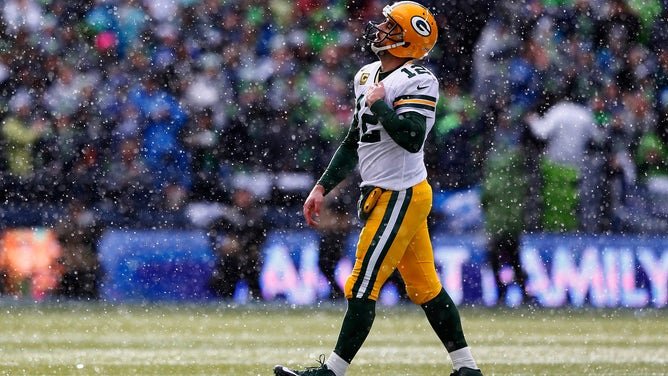
Yes, football games can get rained out.
The sky darkens, the wind picks up, and you wonder: do football games get rained out? It’s a common question for fans. The short answer is yes, weather can impact the schedule.
Rain, especially heavy rain, can make playing conditions unsafe or simply impossible. Organizers consider the players’ safety and field conditions. So they often make the difficult decision to postpone games.

Do Football Games Get Rained Out?
The question of whether football games get rained out is a common one, especially as the weather turns unpredictable. The short answer is: it depends! Unlike some outdoor sports, football is known for its toughness and often plays on, even when the skies open up. But, there are limits. Let’s dive deeper into what factors decide if a football game will go ahead in the rain or be postponed. We’ll explore everything from the different levels of play – from little league to the professional NFL – to the specific weather conditions that could cause a cancellation.
The Different Levels of Football and Rain
The way rain affects a football game isn’t always the same. Rules and risk tolerance can change depending on who is playing. Let’s look at some different levels of football:
Little League and Youth Football
At the youngest levels, safety is the top priority. Little league and youth football games are the most likely to be called off due to rain. Many leagues have specific rules about canceling or postponing games based on:
- Heavy Rain: If the rain is heavy and makes it hard for kids to see or run, the game is usually canceled. This protects the young players from injuries.
- Lightning: Lightning is a big reason for canceling games. Even if it is not raining hard, if there is lightning, the game will usually be stopped. Often, leagues follow the “30-30” rule: if lightning is less than 30 seconds from thunder, they postpone the game. Play won’t resume until 30 minutes after the last thunder or lightning strike.
- Field Conditions: If the field is really muddy, it might be too slippery and unsafe. Youth leagues are very careful about this. A waterlogged field also is a risk for injuries.
High School Football
High school football sits in the middle. While safety is still important, there’s a desire to play. Some high schools have fields with better drainage, which help them play in the rain. Here’s what often happens:
- Moderate Rain: High school games will most likely go on through moderate rain. They know that football is an outdoor game, and they’re used to the weather being a factor.
- Heavy Rain and Lightning: However, if there is really heavy rain, and especially if there is lightning, they will suspend a game for safety. High school leagues often follow the same kind of rules about lightning delays like Little League.
- Field Conditions: A field that’s too muddy and slippery might cause the game to be postponed. Officials will make that call based on how safe the field is for players.
College Football
College football is a big business and tries very hard not to cancel games. They have larger stadiums, with more resources to handle rain. Here is how they handle rain delays:
- Moderate to Heavy Rain: College games very rarely cancel for moderate or even heavy rain. The games will usually proceed as long as the conditions don’t create a danger to the players.
- Lightning: Like other levels, lightning is the biggest reason a college game might be stopped. The game won’t restart until the danger of lightning is gone.
- Extreme Conditions: The only time you see college games get fully postponed or canceled is when conditions are very dangerous, not just rain. For example, hurricanes, or extremely high winds that cause unsafe playing conditions.
- Drainage: Many college football fields have a lot of drainage. This helps them to keep the field playable even in heavy downpours. They may also have covers for their field, which help to keep the grass from being too wet before a game.
Professional Football (NFL)
The NFL is known for its “show must go on” attitude. Canceling games is rare and only happens in the most extreme cases. Here’s what to expect:
- Playing Through the Rain: NFL games almost always play through the rain. Unless the conditions are dangerous, rain is considered part of the game. Fans see players sliding across a wet field as just another part of the football experience.
- Lightning: Lightning is a serious risk, and an NFL game will be paused if there is any dangerous lightning. The game is delayed until the lightning is out of the area.
- Hurricanes and Other Weather Events: The only real reason to fully postpone or cancel an NFL game is if there is a very dangerous weather situation. This might include hurricanes, blizzards, or other severe weather. Often, these games are moved, rather than canceled.
What Kinds of Rain Cause Problems?
It’s not just about how much rain is falling, but also how the rain interacts with other factors. Here’s a deeper look at different rain-related issues:
Heavy Downpours
A sudden, heavy downpour can be difficult. This makes the field slippery and hard to see. Players can lose their footing, and the ball can become hard to handle. This type of rain can sometimes be enough to stop a game, especially at the lower levels.
Prolonged Rain
Even if the rain is not very intense, a long period of rain can also be an issue. This rain can soak the field, making it muddy and difficult to play on. A saturated field increases the risk of injuries as the players’ traction suffers and can cause falls.
Wind and Rain
When rain is paired with strong wind, it adds another complication. The wind can make it hard to throw or catch the ball, and can make it hard for the players to run. Wind and rain together make the weather conditions much worse.
Ice and Freezing Rain
Freezing rain or ice are far more dangerous than regular rain. Icy conditions can cause players to slip and fall, so a game is very likely to be called off. This is especially true in high school and lower leagues. For college and professional level, the game will be postponed if weather is dangerous.
How Officials Make the Call
Deciding when to cancel or postpone a football game isn’t always easy. It involves the judgment of officials, coaches, and sometimes league administrators. Here’s how that process generally works:
Checking the Weather
Before a game, officials will closely monitor the weather. They look at forecasts, radar, and listen for weather alerts. This helps them be ready for changing conditions.
Field Inspections
Officials inspect the field before the game to see if it’s safe to play on. They look at whether the field is too muddy, slippery, or if there is standing water. If the field is unsafe, the game might be canceled or postponed.
Safety First
The most important thing is the safety of the players. If weather conditions, like heavy rain, lightning, or icy patches make playing dangerous, the game will likely be delayed or canceled. Officials will always choose safety over continuing a game. This is especially true in youth leagues.
Communication
Officials communicate with coaches, and often with league officials, to make the decision. They want to make sure everyone is aware of what’s going on, and why a game might have to be changed.
Factors Besides Rain That Can Impact Games
While rain is a big factor in game day decisions, it’s not the only weather condition that could affect the game. Some other conditions that might cause a cancellation are:
Lightning
We’ve talked about it quite a bit, but it’s very important: Lightning is a major reason to stop a game, no matter the level. Lightning is dangerous, and the game is always delayed until the risk has passed.
Extreme Heat
Excessive heat, especially when combined with humidity, can also be dangerous. Games may need to be stopped or postponed in extreme heat for player safety. Players may need extra water and more breaks if playing in extreme heat.
Extreme Cold
Extremely cold temperatures, especially when it’s combined with wind, can also lead to game cancellations. Very cold conditions can create a risk of hypothermia. This is an issue in high school and lower-level leagues, as some places may not have facilities to handle the cold.
Snow and Ice
Snow and ice can cause problems similar to rain, but often to a greater degree. Snow can make a field unplayable, especially if it is really heavy snow. Ice is obviously dangerous. These can lead to game delays or cancellations in many leagues, even college football. But often NFL games will continue to be played even in the snow, though delays are still possible with extreme conditions.
Fog
Heavy fog can reduce visibility and make it hard for players, officials, and even fans to see what is going on. This is another factor that can lead to delays or cancellations.
What Happens When a Game is Postponed or Canceled?
When a game is postponed or canceled due to weather, here is often what happens:
Rescheduling
Usually, officials will try to reschedule a postponed game as soon as possible. This might mean playing it the next day, or on a later date. College and professional level will move their game, but often will try to play the same day if conditions improve.
Refunds
If a game is fully canceled, many leagues or teams will offer refunds or credits for the tickets. The rules about this can vary from league to league. Usually, if a game is postponed and they play it later, tickets remain valid.
Safety Measures
During delays, the teams and the fans are often told to shelter safely. This can mean going inside the stadium or finding another safe place. Safety is the top concern for the players, officials and fans.
How Fans Should Prepare for Rainy Games
If you’re planning to attend a football game when there’s a chance of rain, here’s how to prepare:
Check the Weather
Look at the weather forecast before you leave. This helps you to know what to expect, and what to pack.
Dress for the Weather
Wear waterproof or water-resistant clothing, like a rain jacket, and water-resistant shoes. You may also want to bring a hat to help keep you dry.
Pack Smart
Bring things like rain ponchos, umbrellas (if allowed in the stadium), and maybe a towel or blanket for sitting. Many stadiums do not allow umbrellas. Make sure you check before you go to the game!
Be Patient
Be patient with any possible delays. Officials are making decisions for safety. A little rain is often worth waiting for, and it might make for a more memorable game.
In summary, while football is a tough sport that usually plays through the rain, there are still times when weather can cause a game to be postponed or even canceled. Safety is always the main factor in any weather decision, no matter what level of play it is. This is a part of playing outdoor sports. By understanding the different rules for each level of play, and some of the common weather issues, you’ll be prepared for anything that game day throws your way.
Rain = football weather
Final Thoughts
Ultimately, the answer to “do football games get rained out” is yes, but it’s not always straightforward. Rain alone doesn’t guarantee a cancellation, as many factors influence the decision. League rules, field conditions, and player safety all play a crucial role.
Heavy downpours or lightning are the major factors causing postponements. Officials prioritize the well-being of everyone involved. Therefore, the weather must be monitored closely before every match.

