
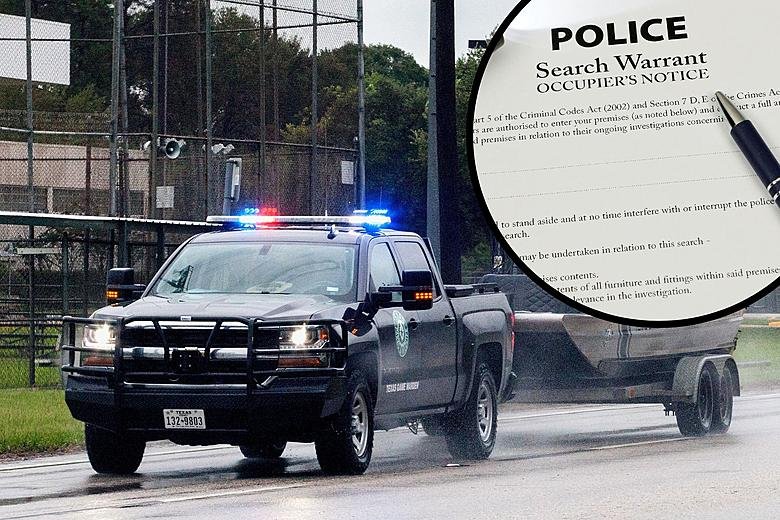
No, game wardens generally do not have more authority than police officers. Their authority is typically limited to enforcing fish and wildlife laws within their specific jurisdiction.
The question, “do game wardens have more authority than police”, often sparks debate. It’s easy to imagine wardens having sweeping powers in the wilderness. But the reality involves defined roles and legal constraints.
Their focus primarily includes conservation and regulation of hunting and fishing. While they possess arrest powers related to those laws, general law enforcement falls under the purview of police agencies. So, the answer is not a straightforward “yes”.

Do Game Wardens Have More Authority Than Police?
The question of whether game wardens have more power than police officers is a tricky one. It’s not as simple as saying one group is always “more” powerful than the other. Instead, it depends a lot on the situation and what kind of laws are involved. Think of it like this: a baker is really good at making cakes, and a plumber is excellent at fixing pipes. They both have special skills and authority in their own areas. Game wardens and police officers are similar – each has unique responsibilities and powers depending on the situation. Let’s explore these differences and similarities.
Understanding the Roles: Game Wardens vs. Police Officers
To really understand who has more authority in different scenarios, it’s crucial to understand the specific jobs of game wardens and police officers. They’re both law enforcement officers but their main responsibilities differ considerably. Here’s a basic breakdown:
What Game Wardens Do
Game wardens, also known as conservation officers or wildlife officers, are primarily focused on protecting our natural resources. They work to ensure that people follow the laws related to:
- Hunting: Making sure hunters have proper licenses and follow rules about what animals they can hunt and when they can hunt them.
- Fishing: Checking fishing licenses, enforcing limits on how many fish can be caught, and protecting fish habitats.
- Wildlife protection: Preventing poaching (illegal hunting), protecting endangered species, and educating the public about wildlife conservation.
- Environmental regulations: Enforcing laws about pollution, habitat destruction, and protecting public lands.
These officers often work in remote areas, including forests, lakes, rivers, and mountains. They patrol these areas by foot, by boat, and in vehicles that can handle difficult terrains. Game wardens spend a great deal of their time outdoors dealing with natural resources, and environmental issues.
What Police Officers Do
Police officers have a much broader range of responsibilities. They work within towns, cities, and counties and are responsible for maintaining order and protecting people within their jurisdictions. Some of their main tasks include:
- Maintaining order: Responding to disturbances, traffic accidents, and other incidents that might disturb peace.
- Law enforcement: Investigating crimes, arresting suspects, and enforcing state and local laws.
- Traffic control: Managing traffic, enforcing traffic laws, and investigating traffic accidents.
- Community service: Building relationships with the community, responding to community needs, and educating the public on safety issues.
Police officers work primarily in populated areas. They are equipped to handle a diverse range of scenarios, such as domestic disputes, robberies, and other urban issues.
Areas of Authority: Where the Lines Blur
Both game wardens and police officers are law enforcement officers and have authority to enforce laws. However, their specific powers depend on where they are, what laws are broken, and their jurisdiction. Here’s a closer look at some key areas:
Jurisdiction
Jurisdiction refers to the area where an officer has the legal authority to act. Game wardens usually have jurisdiction within the state’s boundaries and often within specific areas related to natural resources. For example, a game warden might have authority within state parks or in areas where hunting and fishing are common. Police officers have jurisdiction within the city, county, or state they work for.
Think of it this way: A police officer might not have the authority to arrest someone in a national park for poaching, but a game warden would. On the flip side, a game warden might not be able to respond to a bank robbery in the city, where police officers take the lead. Jurisdiction is crucial in determining who takes charge.
Enforcement of Laws
Both types of officers can enforce a lot of laws, but the laws they primarily focus on are different. Game wardens focus on laws related to wildlife, hunting, fishing, and the environment. They may not spend time dealing with domestic disputes or traffic stops in a city center. Police officers, meanwhile, focus on enforcing criminal laws, traffic laws, and local ordinances. They are the first responders for incidents within their city or jurisdiction. However, both officers are trained to uphold the laws in their given jurisdictions.
Consider this situation: if a person is illegally hunting deer on public land, a game warden will take the lead in dealing with it. But if the same person was caught speeding in a city street, the city police will be primarily involved. Both officers can arrest someone if they break the law but for different circumstances, and they will likely assist each other when they can.
Powers of Arrest
Both game wardens and police officers have the power to make arrests, but again, under slightly different circumstances. They each need probable cause to make an arrest, which means that they must have a reasonable belief that a crime has been committed, but they must also be dealing with their relevant areas.
A game warden, for example, can arrest someone for poaching, trespassing on hunting land, or for violating environmental regulations. A police officer can arrest someone for crimes like theft, assault, or drunk driving. But this power isn’t absolute. Both officer types must respect the rights of the individuals they encounter, meaning they must have a valid reason for detaining anyone. In some situations, an officer could arrest someone for an offense in the other officer’s area of focus if the issue is significant or if they feel the assistance is needed.
Search and Seizure
Both game wardens and police officers have the authority to conduct searches and seize evidence under certain circumstances. They both require a warrant in some situations to search a private home. However, there are also some differences.
Game wardens often have more flexibility to conduct searches without a warrant in open areas like forests, fields, and waterways when they suspect a violation of fish, game, or environmental laws. They could enter hunting areas, boats, or campsites to check for fishing licenses, game tags, or illegal hunting equipment. Police officers need a warrant based on probable cause, before searching a person’s home or car, unless there are exigent circumstances. These are circumstances when waiting for a warrant could endanger someone or allow a criminal to destroy evidence.
Specific Examples to Clarify Authority
Let’s look at some specific examples to understand who has more authority in certain situations:
Example 1: A Hunting Violation
Imagine someone is hunting deer out of season, without a license, on a property where they do not have permission to hunt. A game warden patrolling that area notices this illegal activity. In this case, the game warden has the primary authority. They can issue citations, seize the illegal gear, and arrest the violator if needed. A police officer, if present, might assist but would generally defer to the game warden’s expertise and authority in the area of hunting violations.
Example 2: A Traffic Accident
Now, let’s say there is a car accident on a main road within a city. The police officers will usually be the first on the scene. They will handle the traffic control, conduct the investigation, and issue citations for traffic violations. A game warden would not have authority to get involved in the traffic accident unless they were close by and able to provide assistance as a first responder.
Example 3: Illegal Dumping
If someone is illegally dumping trash in a remote area, a game warden will usually have the authority to deal with that offense. If the same illegal dumping is occurring near a city, the police officers and the city environmental department will have the lead on the issue.
Example 4: A Domestic Dispute
A domestic dispute at a home in a neighborhood falls squarely under the jurisdiction of the city police or a county sheriff’s office. Game wardens have no authority over a domestic dispute unless they happen to be nearby and can assist as a first responder. The police are trained in dealing with these situations and it is in their area of focus.
What Happens When Authority Overlaps?
Sometimes, the lines between the authority of game wardens and police officers get blurry. In these cases, it’s important for officers to communicate with each other and work together to solve the issue. Both officers have training in the law and know when they should defer to the other officer. Here are a few common scenarios with an overlap:
- Joint operations: Often, police officers and game wardens will work together on special operations, like enforcing alcohol laws or tracking drug violations.
- Mutual aid: In situations where there is a need for extra support, such as during a large search and rescue operation, game wardens and police officers will assist each other.
- Cooperative investigations: In some complex criminal investigations that cross jurisdictions, both game wardens and police officers might work together and assist each other in finding a solution.
The Importance of Cooperation
Both game wardens and police officers play an important role in protecting our communities and natural resources. Although they have different areas of focus and different priorities, they also share many similarities. They are both law enforcement officers. This makes working together important. They often rely on each other for assistance and will cooperate whenever needed. This allows them to work efficiently and effectively to ensure the safety of the public.
The Role of Training and Qualifications
It’s important to note that both game wardens and police officers go through significant training to prepare them for their jobs. While they have some similar aspects of training, they also receive specialized training focused on their specific work.
Game Warden Training
Game warden training often includes:
- Extensive knowledge of wildlife, ecosystems, and conservation.
- Specific laws and regulations about hunting, fishing, and environmental protection.
- Training in wilderness survival, navigation, and first aid.
- Firearms training and self-defense specific to outdoor situations.
- Boating, ATV, and other vehicle operation for use in remote areas.
Police Officer Training
Police officer training usually includes:
- State and local laws, including criminal codes and civil rights.
- How to conduct investigations, gather evidence, and arrest people.
- Crisis intervention, conflict resolution, and de-escalation techniques.
- Traffic laws and accident investigation.
- Use of firearms, self-defense, and first aid.
What Does it all Mean?
So, to answer the question of whether game wardens have more authority than police officers, the answer is: it depends on the situation. Neither one is universally “more” powerful. They each have authority within their areas of focus and jurisdiction, and they work to uphold the law in their area of focus. Game wardens primarily focus on wildlife and environmental protection and have special powers in those areas, whereas police officers focus on public safety and maintaining order in populated areas. The best approach is to understand the specific responsibilities of each group and appreciate the important work that they both do.
In short, both game wardens and police officers are vital to keeping our communities safe and our natural resources protected. They have distinct roles and authority, and they often work together to accomplish this goal. Instead of considering who is “more” powerful, it’s better to think about their different functions and how both are important for a functioning society.
Texas Game Wardens: What You Need to Know
Final Thoughts
Game wardens possess specific legal authority within their designated areas, often related to wildlife and environmental laws. They can enforce these rules, conduct inspections, and make arrests related to those violations. This jurisdiction differs from general police power.
Police officers, conversely, have broader authority encompassing criminal law enforcement. Their powers typically extend to a wider range of situations. Their jurisdiction is not confined like game wardens’ but may overlap.
Ultimately, when considering “do game wardens have more authority than police,” the answer is no, but each has distinct, essential, and legally defined roles. Game wardens must enforce specific rules within their zone.

