
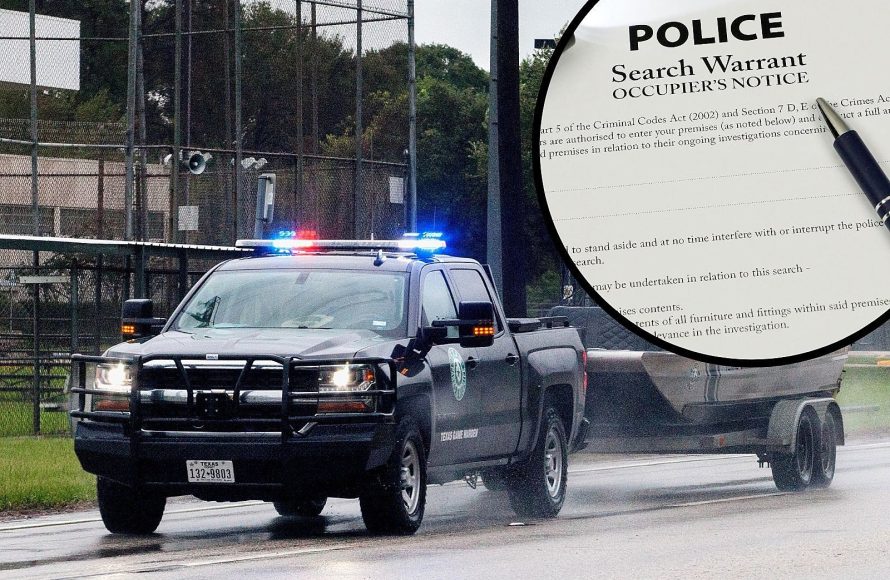
Generally, game wardens do not need a search warrant if they have probable cause or the search falls under specific exceptions, such as during a lawful stop or in plain view.
Ever wondered about the extent of a game warden’s authority? It’s a question many outdoor enthusiasts ponder, especially when considering personal privacy rights. This brings up the core issue: do game wardens need a search warrant before inspecting your gear or property.
The rules around searches by these officers can feel complex, often varying by state and circumstance. Understanding your rights and what a game warden can legally do is crucial. Stay tuned as we dive into this important topic.

Do Game Wardens Need a Search Warrant?
The question of whether game wardens need a search warrant is a bit like asking if a police officer needs a warrant to search your car. It really depends on the situation. Game wardens, also known as conservation officers, are like the police for our natural world. They make sure people are following the rules about hunting, fishing, and protecting wildlife. They are there to protect animals, plants, and habitats. But do they have the same power as regular police when it comes to searching your things? Let’s delve deeper into this topic.
Understanding Game Warden Authority
To understand when a game warden needs a warrant, it’s crucial to know what they’re allowed to do. Game wardens have special powers related to wildlife and natural resources. These powers are usually given to them by state and federal laws. They are trained to enforce these laws to keep our natural areas safe and healthy. A Game warden’s typical authority includes:
- Checking hunting and fishing licenses: They can ask to see your license to make sure you’re allowed to hunt or fish.
- Inspecting equipment: They can check your gear to make sure it meets legal requirements, like the size of your fishing nets or the type of gun you’re using.
- Investigating possible violations: They look into reports of illegal hunting or fishing, and they gather evidence.
- Making arrests: They can arrest people who break wildlife laws, just like police officers do.
The “Open Fields” Doctrine
One important thing to understand is the “open fields” doctrine. This legal rule says that people do not have a high expectation of privacy in open fields or wooded areas. Basically, if you’re out in the woods hunting or fishing, you can expect a game warden to be able to walk through that area. This is because these areas are seen as more public than, say, your own home. The law doesn’t view it as a search if a warden simply walks through an area that anyone could access. They don’t need a warrant to do this, and it’s very different than entering a house.
For example, a warden walking through a public forest and observing someone without a license is not engaging in a search that requires a warrant, they are in a place where they have every right to be. This is very different than that same warden entering your private home to inspect hunting equipment without your consent or a warrant.
When a Warrant Is Needed
While game wardens have quite some authority, there are definitely times when they need to get a search warrant. Generally, a warrant is required if they want to search somewhere where you have a reasonable expectation of privacy. Here’s what that means:
Protected Spaces
This includes places like:
- Your home: A game warden cannot enter your house to search for illegal game unless they have a warrant.
- Your car: While they may do some level of vehicle inspection during a traffic stop for a wildlife violation, generally, a search of the passenger or cargo area of your car requires a warrant.
- Your locked shed or garage: If it’s on your property and not easily visible, they likely need a warrant.
- Your camper or tent: Like a house, these offer you reasonable privacy.
Probable Cause
To get a warrant, a game warden needs probable cause. This means they need to show a judge that there is a good reason to think a crime has happened. This isn’t just a hunch; they must have evidence like:
- Witness statements: Someone might have seen illegal hunting or fishing activities.
- Physical evidence: This could be things like animal remains, illegal traps, or equipment being used improperly.
- Informant tips: Information from a person who has seen or heard about a wildlife crime.
The Warrant Process
If a game warden has probable cause, they will then go to a judge. They present their evidence and tell the judge why they want a warrant to search a specific location. If the judge agrees that the evidence shows probable cause, they will sign a warrant. The warrant will specify:
- What location can be searched: The exact address of the house, the specific vehicle, etc.
- What they are searching for: What types of evidence they are seeking, such as illegal deer meat or untagged fish.
- Who is the subject of the search: Whose property is being searched and who may be charged with a violation if evidence is found.
Exceptions to the Warrant Requirement
Like all rules, there are a few exceptions to the warrant requirement. These are situations where a game warden may not need a search warrant.
Consent
If you willingly allow a game warden to search your property, they do not need a warrant. But it’s vital to understand that you do not have to give your consent. They should ask you directly. If you say yes, that is your consent. If you don’t, they will need to follow different rules for proceeding with their investigation. Always remember you have the right to say no if you are asked to consent to a search. A game warden should make it very clear that you have the right to refuse consent.
When game wardens ask for consent to search, it is not required that you say ‘yes’. You are within your rights to not allow a search. Never let yourself be pressured or bullied into granting consent.
Plain View
If illegal evidence is in plain sight, a game warden can seize it without a warrant. This is called the “plain view doctrine.” For example:
- If a game warden is legally walking through an open field, as discussed previously, and sees an illegal trap, they can seize it.
- If they pull you over for a vehicle stop and spot illegal fish in your car, they can seize them.
- If from a public right of way, a game warden can see an illegal animal being held in the backyard of your home, the warden may be able to seize the animal.
Exigent Circumstances
This is an emergency situation where there is a risk that evidence could be destroyed or a person could be injured. For example:
- If a game warden hears gunshots and has reason to believe that someone is illegally shooting protected game, they may have exigent circumstances and be able to enter that area.
- If a game warden witnesses someone illegally putting fish into a cooler that will leave the scene within moments, they may be able to seize that cooler for evidence.
Specific Examples to Illustrate
Let’s look at some specific examples to make this a little clearer.
Example 1: Hunting on Public Land
A game warden is patrolling a public hunting area. They see a hunter who appears to be improperly dressed for the season. The warden approaches the hunter and asks to see his license. The warden sees a pile of recently harvested pheasants at the hunter’s feet. This is a legal encounter and does not require a search warrant. The warden may ask to inspect the harvested game to ensure the legal limit has not been exceeded.
Example 2: Searching a Home
A game warden gets a tip that someone is keeping illegally caught fish in their freezer. To search this person’s home, the warden would need to obtain a search warrant. The warden cannot simply walk onto the property and start looking around the home without violating the law. This is because a home enjoys a high expectation of privacy. A search warrant signed by a judge is required for this action.
Example 3: Checking a Vehicle
A game warden spots a truck leaving a known poaching area. They pull the vehicle over for a legal traffic stop. While talking to the driver, the warden notices a strong smell of fish. If that smell alone gives the warden probable cause to believe there is illegal fish in the car, the warden may have the legal right to conduct a vehicle search. Otherwise, the warden would need to ask the driver for consent to search or obtain a search warrant. The scope of that search must relate to the suspected crime; they cannot simply rummage through the entire car. If they believe fish are being illegally transported, the area of the search would be limited to areas where the fish could be stored.
Example 4: A Tent in the Woods
A game warden is walking through a public park and sees a tent set up in a restricted area. The warden can walk up to the tent to see if anyone is there. But to search inside the tent, the warden would likely need a warrant. The tent is considered a place where the occupant has a reasonable expectation of privacy, like a temporary home. If the warden sees evidence of illegal activity outside the tent, they can use that to build probable cause to obtain a warrant.
Your Rights When Interacting with a Game Warden
It’s always good to know your rights when dealing with law enforcement, including game wardens. Here are some important points:
- You have the right to remain silent: You don’t have to answer a game warden’s questions. You can say you will remain silent and ask to speak to an attorney.
- You have the right to an attorney: If you are arrested or think you could be charged with a crime, you have the right to speak to an attorney before answering any questions.
- You have the right to say no to a search: You don’t have to consent to a search of your property. If you don’t consent, the warden will likely have to get a warrant.
- Be respectful but firm: You should always be respectful to law enforcement. But you also need to protect your rights. Be polite but firm when asserting your rights.
- Keep a record: If you have an interaction with a game warden that you believe is not legal, keep a record of the time, date, the warden’s name, badge number, and the events that took place.
State and Federal Laws
It is also important to understand that game warden powers vary depending on where you are. State laws and federal laws can give different authorities to wardens. For instance, a game warden in one state might have more authority than a warden in another state. If you are not sure about the laws in your state, you should contact an attorney who has experience in wildlife and natural resource laws.
For example, some states may allow game wardens to conduct roadside checks for hunting or fishing violations, while others may have stricter rules for these types of stops.
Understanding these state and federal laws can make a big difference in how you act in a specific situation. What is lawful in one state may be unlawful in another.
In short, the answer to the question of whether a game warden needs a warrant is this: it depends. Game wardens can often check licenses and look into possible wildlife violations without needing a warrant if they are in a public place, but they must respect your privacy rights as well. When it comes to protected spaces, they usually need a warrant, just like any other law enforcement officer. Remember your rights, and if you have any concerns, seek legal advice. This is a good way to make sure you and the animals, plants, and natural areas are being well-protected.
Illegal Game Warden Searches?
Final Thoughts
Generally, game wardens must obtain a search warrant before entering private property, particularly dwellings. However, exceptions exist like when immediate danger is present or if the property owner gives explicit consent.
These exceptions often involve situations with clear evidence of a violation. The exact legal requirements vary by location. Therefore, “do game wardens need a search warrant” largely depends on the circumstances and jurisdiction.

