
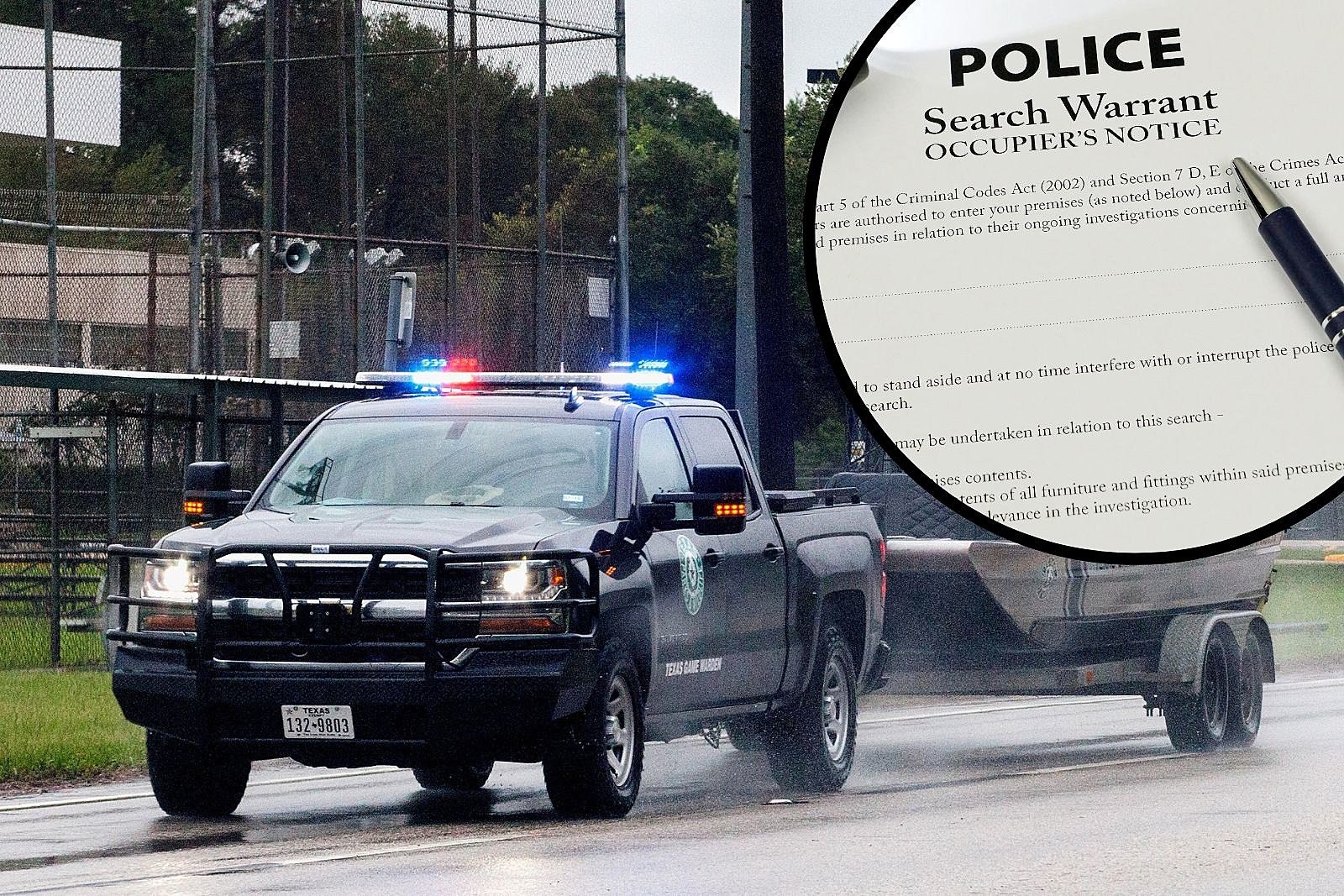
Game wardens do not always need a warrant to conduct searches, especially in areas open to the public or when probable cause exists related to wildlife violations.
The question of whether game wardens need a warrant often sparks debate among outdoor enthusiasts. Many assume all law enforcement requires a warrant for every interaction. However, the rules governing game wardens can differ from those applied to general police forces.
This article dives into the specifics of when game wardens require a warrant and when their authority allows them to act without one. Understanding these parameters is important for anyone who engages with the natural world. It’s essential for anyone wanting to learn about when and why do game wardens need a warrant.

Do Game Wardens Need a Warrant?
Introduction has been added before.
Do Game Wardens Need a Warrant?
That’s a great question, and the answer isn’t always straightforward. It’s not a simple yes or no. It depends on what the game warden is doing, where they’re doing it, and what laws are in place in that specific location. Think of it like this: a police officer needs a warrant to search your house, but they don’t need one to stop you for speeding on the road. Game wardens, sometimes called conservation officers or wildlife officers, also have different rules about needing a warrant, depending on the situation. Let’s dive into the details so it’s easier to understand.
The Fourth Amendment and Its Impact
The reason this question is so complex goes back to the Fourth Amendment of the U.S. Constitution. This amendment protects people from unreasonable searches and seizures. It basically means that the government can’t just barge into your property or take your things without a very good reason. Usually, that good reason is a warrant issued by a judge, based on probable cause, meaning there’s a good reason to believe a crime has been committed.
But the Fourth Amendment is not absolute. There are exceptions. And that’s where things become more interesting for game wardens.
Open Fields Doctrine
One major exception that affects game wardens is the “Open Fields Doctrine.” This legal idea says that the Fourth Amendment protection of privacy doesn’t apply to what is called “open fields.” Think of it like the fields around your house and not inside your house or immediately around it (like your yard, patio etc.). If a game warden needs to look for a deer that may have been illegally killed, they probably wouldn’t need a warrant to walk across an open field to find it. This is because the courts have said that there’s no expectation of privacy in these open areas.
Here’s a breakdown:
- What constitutes an open field? Fields, woods, and undeveloped land are generally considered open fields. It’s usually not an area right next to someone’s house.
- Why does this matter? Game wardens can often enter open fields to investigate potential violations of wildlife laws without a warrant. They might be looking for evidence of illegal hunting, trapping, or fishing.
- Exceptions? If an open field is enclosed with signs stating ‘Private Property’ and is close to the house, the rules might get complicated. It depends on the specific state and situation.
Examples of Open Field Searches
Imagine a game warden receives a tip that someone is illegally trapping bobcats. The reported location is in a large area of wooded land. The game warden can legally enter this property without a warrant to look for evidence of the violation, as long as the area is considered an open field. They could also take pictures or notes of any findings.
Also consider a game warden patrolling a large stretch of publicly managed state forest when they come across a hunting camp setup in a field. They can walk into this field and check the area without a warrant to see if the campers have the required permits and licenses. This would be considered an area without an expectation of privacy.
Consent and Cooperation
Another way a game warden can legally search or seize something without a warrant is if they have your consent. That means you give them permission to do it. For example, if a game warden asks if they can check your hunting license and you show it, you’ve given them permission to see the license. If they ask if they can look in your cooler to see if you have fish, and you say yes, you’ve given them permission to search that cooler.
It’s important to remember that you don’t have to give consent. If you don’t give consent, they cannot just barge in to look for things. However, refusing consent might make them believe there’s more of a problem and they may try to get a warrant to search based on suspicion. It’s always best to be polite, respectful, and cooperative.
When Refusing Consent Might Be Best
Let’s say a game warden asks to search your entire vehicle after you came back from a fishing trip, and you believe you did everything by the book. If you don’t feel comfortable with that type of broad search, you have the right to politely refuse. You can say that you don’t give consent to search your vehicle. At this point, they need to have a valid reason to get a warrant to proceed, or they have to simply let you go.
Plain View Doctrine
The Plain View Doctrine is a rule that says if a game warden is lawfully present in a location, and they see evidence of illegal activity that is easily noticeable, they can take action on that. For example, if a game warden is walking on a public trail and sees an illegal rifle leaning against a tree, they can probably seize that rifle without a warrant. The key is that they have to be in a place where they have a right to be, and the illegal item must be very obvious.
Examples of Plain View
- Illegal Fish: A game warden is checking fishing licenses at a boat ramp and sees a large fish being kept that is clearly undersized and illegal to harvest. The warden can seize the fish.
- Untagged Deer: A game warden stops a vehicle for a routine check and notices a deer in the back of a truck that does not have a proper tag attached. The warden may seize the deer as evidence.
- Prohibited Equipment: A game warden spots illegal gill nets on a boat that is being pulled on a trailer through a boat ramp. The warden can seize the nets.
Vehicle Stops and Checkpoints
Game wardens can often stop vehicles without a warrant in certain situations. They need not have probable cause that you’ve broken the law, but may need some reasonable suspicion. This means they need to have a good reason to believe someone is violating wildlife laws. Common reasons for a vehicle stop include a vehicle being seen leaving a location known for hunting or fishing, a known violation area, or if you are driving in a suspicious manner within that kind of area.
They can also set up checkpoints on roads, often during hunting seasons, to check hunting licenses, permits, and harvested animals. These checkpoints are usually set up in areas with known game activity and are legal, as long as the checkpoint is being conducted in a lawful way.
Reasonable Suspicion for Vehicle Stops
Reasonable suspicion is a lower standard than probable cause. It means that a game warden has specific facts or circumstances that, when considered, would lead a reasonable person to believe that there’s some kind of violation of law, such as a poaching situation. Here are some examples:
- Late-Night Activity: A vehicle is seen driving slowly through an area known for deer poaching, without using lights at 2:00 am.
- Excessive Hunting Equipment: A vehicle has multiple hunters in it, and it has an abundance of hunting rifles, more than typically allowed.
- Suspicious Behavior: A vehicle is observed leaving a hunting area at a high rate of speed, or has blood stains on the tailgate.
Specific Locations and Special Rules
The rules about when a game warden needs a warrant can sometimes change depending on where you are.
Waterways and Boats
Game wardens often patrol lakes, rivers, and coastal areas. They usually can inspect a boat for legal operation. When they see violations of safety laws, fishing regulations, or environmental rules, they have some leeway to investigate these situations without a warrant. The idea here is that they need to ensure that people are acting lawfully and that natural resources are protected.
Wildlife Management Areas
These are areas set aside for wildlife conservation and recreation. These areas can have different rules. In these areas, game wardens can typically be more active in inspecting people’s activities because these locations are designed for hunting, fishing and wildlife activities.
Private Property
Game wardens generally cannot enter private property without a warrant or permission from the landowner, unless it falls under the “Open Fields” concept, or one of the other exceptions already discussed. A game warden cannot simply enter your fenced yard, and your house or closed outbuildings without your consent or a warrant. There must be a good reason for them to believe that a violation has occurred, or is occurring, before getting a warrant.
What Happens if a Warden Makes an Illegal Search?
If a game warden conducts an illegal search or seizure (meaning without a warrant, without consent, or without one of the exceptions we discussed), any evidence they find is probably not admissible in court. This is called the “exclusionary rule.” It means that the illegally obtained evidence cannot be used against the person in a criminal case. This makes it important that game wardens follow the proper procedures, and ensures that your rights are protected, too.
Consequences for Illegal Searches
- Suppressed Evidence: The illegally seized evidence cannot be used in court.
- Dismissed Charges: If there is no other evidence, charges based on the illegal evidence might be dropped.
- Civil Lawsuits: Individuals can sue a game warden who has violated their constitutional rights.
State-Specific Variations
It’s important to know that the rules for game wardens can vary from state to state. Some states might have laws that give game wardens more authority than others. For example, some states might allow game wardens to search more areas than the federal law allows. This can also depend on the specific regulations within the state concerning wildlife management and conservation. If you are ever in question, check the specific laws of your state.
It’s good to be familiar with the rules and regulations in your state.
The Importance of Game Wardens
Even though sometimes they might stop and check you, game wardens are vital for protecting our natural resources. They work hard to keep people from illegally killing wildlife, damaging habitats, and taking advantage of our natural resources. They are also there to keep our environment healthy for everyone to enjoy for many years.
The work they do helps ensure that there are plenty of fish and wildlife for future generations and that everyone gets a fair chance to take advantage of the natural world.
How much power does a game warden have? #podcast #gamewarden #lawenforcement
Final Thoughts
Game wardens generally need warrants to search private property. However, they often have exceptions for vehicles, public lands, and situations with probable cause. These exceptions must fit legal standards to avoid violating rights.
The question, do game wardens need a warrant, is complicated. The answer depends heavily on the specific circumstances. Laws vary by state, so understanding local regulations is crucial.

