
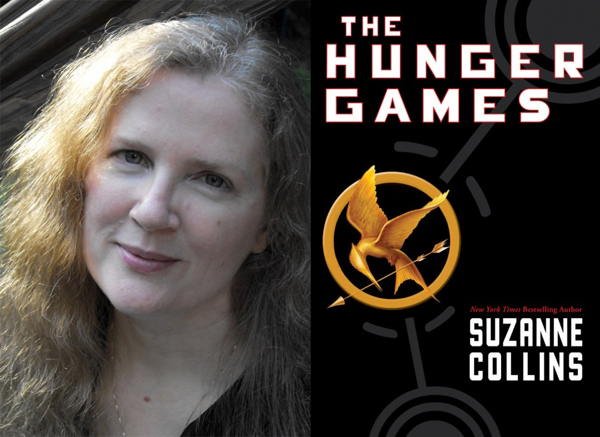
Suzanne Collins wrote The Hunger Games by drawing inspiration from classical mythology, reality television, and her own experiences, weaving these influences into a compelling dystopian narrative.
Ever wondered how did Suzanne Collins write The Hunger Games? It’s a question many fans ask when captivated by the rich world and compelling characters. Her creative process involved blending various elements into a cohesive and gripping story.
Collins pulled ideas from historical events, including Roman gladiator battles, and the spectacle of modern shows. She crafted a world that felt both familiar and terrifying. This mix of known and unknown, creates a powerful impact on readers.

How Did Suzanne Collins Write The Hunger Games?
The Hunger Games trilogy has captivated millions of readers worldwide. But have you ever wondered how Suzanne Collins, the amazing author, crafted this compelling world? It wasn’t just a flash of inspiration; it was a process filled with careful planning, deep research, and a sprinkle of personal experience. Let’s dive into the fascinating journey of how Suzanne Collins brought Panem and its heart-wrenching games to life.
Inspiration From Unexpected Places
Suzanne Collins didn’t just wake up one day with the entire Hunger Games story in her head. Her inspiration came from a mix of different sources, weaving together to form the unique world we know today.
Greek Mythology’s Influence
One of the most important influences was Greek mythology. Collins was particularly drawn to the myth of Theseus and the Minotaur. In this myth, the city of Athens was forced to send young men and women to be sacrificed to the Minotaur. This idea of children being sent to their deaths as a form of punishment and control greatly shaped the concept of the Hunger Games. The parallels are striking: Panem’s districts offer children as tributes in an annual event, similar to the sacrifices in the myth. The Games serve as a harsh reminder of the Capitol’s power.
Reality TV’s Role
Another key source of inspiration was, surprisingly, reality TV. While channel surfing, Collins was struck by the juxtaposition of reality shows and news coverage of war. She saw a connection between the spectacle of entertainment and the grim realities of violence and conflict. This prompted her to ask, “What if these two worlds collided?” This question became the seed that grew into the Hunger Games premise. The Capitol’s fascination with the Games mirrors the public’s appetite for reality shows. She made a world where viewers are not only entertained by the contestants, but also see their tragic stories unfold before their eyes.
Personal Connection and Family Experiences
Collins’s personal experiences also played a role. As a child, her father served in the Air Force and went to Vietnam. She recalls feeling the impact of war from a young age, even though she never witnessed it directly. This experience gave her a deep understanding of the pain and suffering of those affected by conflict. She also has a profound interest in societal injustice and power dynamics. These feelings are woven into the fabric of the Hunger Games story. Her understanding of military families and the impact of war, both seen and unseen, enriched the story, making it feel real and raw. These personal influences add layers of depth to the narrative.
Worldbuilding: Constructing Panem
Creating a believable world is essential for any great fantasy or science fiction story. Suzanne Collins dedicated time and effort to meticulously build the world of Panem, making it a character in itself.
The Districts: Each Unique and Purposeful
Panem isn’t just a backdrop; it’s a society with its own history, culture, and economic structure. The 12 districts (and later 13) are each assigned a specific industry, ensuring their dependence on the Capitol. For example:
District 12: Coal mining, representing poverty and hardship.
District 1: Luxury goods, showcasing the Capitol’s opulence.
District 4: Fishing, representing strength and resilience.
District 11: Agriculture, depicting a hardworking and under-appreciated society.
This setup reinforces the power imbalance between the Capitol and the districts and creates a clear picture of societal inequality. The distinct cultures and resources of each district make them feel authentic, while also showing the different struggles and strengths of their people.
The Capitol: A Symbol of Excess
In contrast to the districts, the Capitol is a place of extreme wealth and extravagance. Its citizens are obsessed with fashion, entertainment, and the Hunger Games. They seem detached from the suffering in the districts. Collins designed the Capitol to be visually striking, almost grotesque. This extreme display of power and indifference highlights the moral decay at the heart of the system and helps to build tension in the story.
The Rules and Regulations: Power Structures in Play
The rules of Panem are rigid and strictly enforced by the Capitol. Everything from the reaping to the Games themselves is designed to maintain control and remind the districts of their subservient status. The Capitol creates laws that keep the districts in check, like the requirement to provide tributes for the Games. These laws reinforce the Capitol’s position of power. This detailed system of rules and regulations makes the world feel real, and sets up a society ready for revolt.
Crafting Complex Characters
The Hunger Games isn’t just about the world; it’s about the people who inhabit it. Suzanne Collins created characters that are complex, flawed, and relatable, even in the most extreme of circumstances.
Katniss Everdeen: More Than Just a Heroine
Katniss Everdeen is the heart of the series. She’s not a perfect hero; she’s driven by her need to protect her family and her own survival instincts. Collins gives her a mixture of strengths and vulnerabilities, making her a character that readers truly care about. Katniss’s internal struggles make her relatable. She fights for survival, not just for glory. Her emotional journey helps the audience understand the impact of her surroundings and the difficult choices she must make.
Peeta Mellark: The Boy with the Bread
Peeta Mellark is a foil to Katniss. He’s kind, compassionate, and uses words as his weapon. This is different to Katniss who is action-oriented and quiet. Peeta is someone who strives to maintain his humanity, even in the brutal Games. His ability to think creatively and play the game of perception is a key element in the narrative. His emotional connection with Katniss develops as the story progresses, making readers emotionally invested in their survival.
Other Memorable Characters
Collins doesn’t stop with the main characters. She created an array of memorable supporting characters, each adding to the story’s richness. Gale Hawthorne, Effie Trinket, Haymitch Abernathy, and President Snow all play important roles. These characters add different perspectives to the narrative, exploring different aspects of Panem and its people. They show the many layers of the conflict and add to the book’s overall depth.
The Writing Process: A Methodical Approach
So, how did Collins actually write the books? It wasn’t a random process. She employed a very intentional approach.
Planning and Outlining
Collins is known for her meticulous planning. She spends time outlining the plots and character arcs of her books. This ensures that the narrative flows smoothly and that all the important threads are tied together. This level of planning allows her to create a series that is both complex and cohesive. She doesn’t just write as she goes; she has a clear vision of the beginning, middle, and end.
Research and Immersion
Even though The Hunger Games is a fictional story, it is grounded in real-world research. Collins explored subjects like war, history, mythology, and social issues. This process helped her craft a world that felt believable and gave the story its depth. This commitment to research makes the story more powerful, offering insights into real-world problems and their connections to the fictional world.
Drafting and Revising
Writing is only part of the process. Collins then goes through several drafts to refine the story. She makes edits, adjusts pacing, and ensures every detail is consistent. She reviews her work carefully and is committed to making sure the story is as strong as possible. This process shows that writing is not just about the first draft, but the process of rewriting, reviewing and perfecting.
Thematic Depth
One of the strengths of the Hunger Games series is its thematic depth. Collins explores complex issues like poverty, inequality, government control, and the impact of violence. These themes give the story relevance, making it more than just a simple adventure tale. They create opportunities for readers to engage with the underlying messages and ask important questions about the world we live in. These important themes are layered throughout, so that as the reader progresses the importance of the message deepens.
Narrative Style: Immersing the Reader
Collins’s narrative style is direct and engaging, drawing the reader into Katniss’s world. The first-person perspective allows us to experience the story directly from her point of view, making us feel her fear, pain, and determination. This writing style allows readers to connect with her on a personal level and feel the impact of events in the story.
First-Person Perspective
The use of the first-person point of view is a crucial part of what makes the Hunger Games work so well. We only know what Katniss knows, and we experience the world and the Games through her eyes. This helps to create suspense and drama. This narrative choice strengthens the emotional connection between the reader and the main character.
Simple Language
Collins uses clear and simple language, which makes the books accessible to a wide range of readers. While the themes are complex, the writing style is easy to understand, allowing readers to fully engage with the story. Her writing style creates an engaging reading experience for all ages, which has made her books so popular.
Pacing and Tension
Collins is skilled at building tension and controlling the pacing of the story. She uses a mix of slow and fast-paced scenes, keeping the reader engaged and on the edge of their seat. The pacing keeps the readers eager to see what happens next, making it difficult to put the book down.
This careful combination of inspiration, world building, character development, and writing technique resulted in the creation of the Hunger Games, a series that continues to fascinate and inspire people all over the world.
The care and thought that Suzanne Collins put into the creation of the Hunger Games is evident on every page. From the initial spark of inspiration to the meticulously planned world and characters, every aspect of the series contributes to its success. She has crafted a story that not only entertains but also encourages readers to think about important social and political issues.
Suzanne Collins on the Vietnam War Stories Behind The Hunger Games and Year of the Jungle
Final Thoughts
Suzanne Collins crafted The Hunger Games through a blend of her interest in mythology and her observations of reality television. Her focus on compelling characters and a fast-paced narrative drove the books’ success. She used a distinct first-person perspective to immerse readers in Katniss’s experience.
The author’s careful world-building and thematic exploration also played a crucial role. How did Suzanne Collins write the hunger games? It involved detailed planning and research. This must have involved significant time dedicated to crafting the intricate world and plot.

