
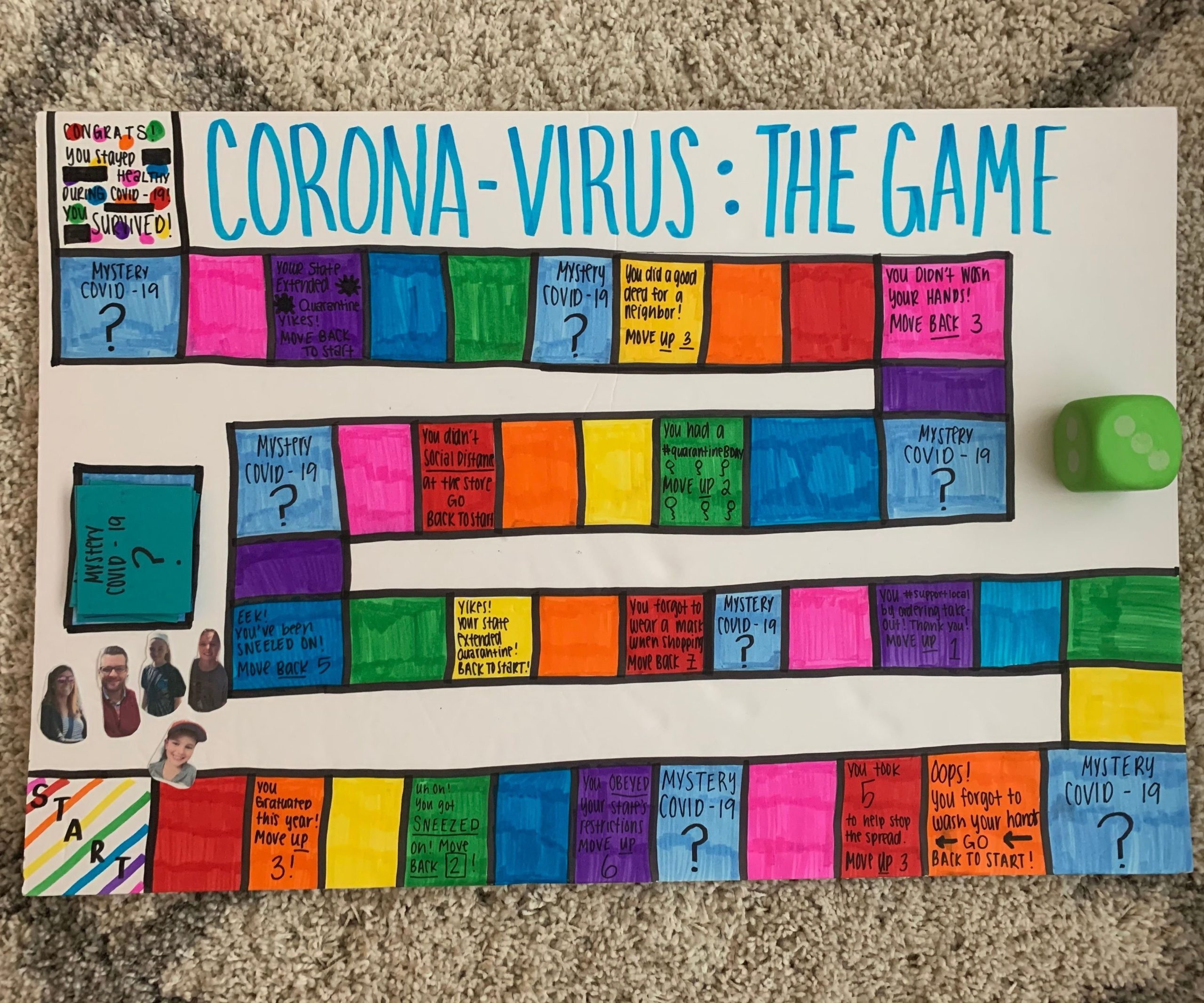
Creating do it yourself board games involves designing your game’s rules, making the board and pieces using materials you have at home, and then testing your creation.
Ever felt limited by the games on store shelves? The idea of crafting your own fun and games is a lot more achievable than you think! Do it yourself board games offer a creative way to personalize your entertainment.
It’s a fantastic opportunity to engage kids or even adults in a project that combines fun and crafting. Think about unique themes and the possibilities to make your game truly yours.

Do It Yourself Board Games: Creating Fun From Scratch
Have you ever played a board game and thought, “I could make something even cooler!”? Well, you absolutely can! Making your own board games is a fantastic way to have fun, be creative, and spend time with family and friends. It’s not as hard as it might seem, and the possibilities are endless. We will explore many ways you can make your own amazing board games.
Why Make Your Own Board Game?
There are so many great reasons to try your hand at do it yourself board games. Let’s look at a few:
Creative Expression
Making a board game is like writing your own story, but in game form! You get to decide everything: the theme, the characters, the challenges, and how players win. It’s a great way to show off your imagination and create something unique. You can include your favorite things or make a whole new world for players to explore.
Personalized Fun
Store-bought board games are awesome, but they might not always be perfect for you and your family or group of friends. Maybe you want a game that’s about your favorite animal, or something that uses a silly joke you all share. Creating your own game allows you to customize it exactly the way you want. You can even add inside jokes and make it super personal.
Family Bonding and Social Interaction
Designing a game together can be a super fun activity for families or friends. It’s a chance to collaborate, share ideas, and laugh a lot. Then, once the game is made, playing it together is another opportunity to connect and have a good time. It helps build relationships and creates lasting memories.
Learning Opportunity
Creating a board game is not only fun, but it is also educational! You will use math skills when making the game board and figuring out the rules. You’ll also use critical thinking skills when you come up with challenges and plan how the game works. It is a fun way to learn new things and use different parts of your brain.
Affordable Entertainment
Board games can be expensive, but making your own is a cheap way to have fun. You can use materials you already have at home, like cardboard boxes, paper, markers, and small toys. No need to spend a lot of money to create hours of fun for your family or with your friends. This makes do-it-yourself board games an affordable entertainment option.
What You Need to Get Started
You probably have most of what you need already. Here is a basic list of items to gather:
- Cardboard: Old cereal boxes, shipping boxes, or even sturdy paper plates will work for the game board.
- Paper: Use plain paper for sketching out the board layout and making cards.
- Writing tools: Pens, pencils, and markers for drawing, writing rules, and designing the game.
- Scissors and glue/tape: You’ll need these for cutting out shapes and sticking things together.
- Ruler: A ruler helps make straight lines and even spaces on the game board.
- Game pieces: You can use anything from small toys, buttons, coins, or even make your own from clay or paper.
- Dice: If your game needs them, use dice from other board games or download a digital dice roller app.
- Other optional items: Colored pencils, stickers, paint, and anything else you want to use to make your game look cool.
Types of DIY Board Games
There are many different types of board games you can create. Here are a few ideas to get your creative wheels turning:
Simple Race Games
Race games are one of the easiest to start with. These games usually involve moving around a path on the board and trying to reach the finish line first. Here’s how to make one:
- Create the path: Draw a winding or zig-zag path on your cardboard. You can make it as long or short as you want, and with curves and turns for extra fun.
- Add some squares: Mark off spaces on the path with lines, so you can move your game pieces along the track.
- Include special spaces: Draw some “move ahead” or “go back” spaces to add some surprises. You can also have special spaces that allow the players to perform special actions like roll the dice again or switch places with an another player.
- Roll the dice and move: Players will roll the dice and move that number of spaces along the path.
Memory Match Games
These games are great for younger players and help with memory skills. To create your own memory matching game, follow these steps:
- Make matching cards: Use index cards or cut out pieces of cardboard. Draw matching pairs of pictures, symbols, or write words on them.
- Arrange the cards: Place the cards face down in a grid pattern on a flat surface.
- Take turns flipping cards: Players take turns flipping over two cards at a time. If the cards match, they get to keep them. If the cards don’t match, they must be flipped back over.
- The winner: The player with the most matching pairs at the end of the game wins.
Roll-and-Move Games with Actions
These games are similar to race games but include extra actions or challenges that the players need to complete. Here is how you create one:
- Create the path and game board: Draw a path and mark spaces on the game board as you would in a race game.
- Action cards: Make action cards. These cards could include simple tasks like “Sing a song,” “Do 5 jumping jacks,” or “Tell a joke.”
- Special spaces: Include special spaces that tell a player to draw an action card and perform the action listed on the card.
- Moving and doing actions: Players roll the dice to move. When they land on a special space, they must complete the task written on the action card.
Themed Board Games
Themed games are very engaging for the players because the game focuses on one particular theme or topic. The possibilities are endless. For example, you can create a game based on a jungle adventure, a space mission, a fantasy world, or an underwater exploration.
- Choose a Theme: Think about what everyone loves. Do you like animals, space, fantasy, or sports? This will be the main topic of the game.
- Create the board and spaces: Draw your board with things related to the theme. For example, if it’s a jungle adventure, use a jungle as the background and have spaces on the board with things you would find in the jungle, like, trees, river, or animals.
- Add challenges and special rules: Make challenges or actions that fit the theme. For instance, if it’s a space game, you might have to answer a space-related question, or perform a space related actions.
- Personalized game pieces: You could make game pieces in the shape of an animal, rocket, fantasy character or sports item. This will further enhance the theme of the game and make it more engaging for the players.
Story-Based Games
Story-based games let players create a story as they play. These games are great for creative thinking and storytelling:
- Make story cards: Create cards with different story elements, like characters, settings, and problems.
- Divide the game board into sections: Split the game board into sections and each section is related to a stage of the story.
- Players move and tell stories: Players move along the board. When they land on a section, they must use the element they drew on the story cards to keep the story going with the previous section of the story.
- Collaborative Storytelling: The goal of this game is not to win but to create a fun and imaginative story together.
Steps for Designing Your Board Game
Okay, now let’s dive into the actual design process. Here’s how to make your own unique board game:
Brainstorm and Plan
First, sit down with your friends or family and have a brainstorming session. Discuss:
- Theme: What kind of story do you want to tell? What is the game about?
- Goal: How do you win? What do you need to do to win the game?
- Type: Do you want a race game, a memory game, a story game, or a mix?
- Target Audience: Consider who will be playing the game. Will it be for young children, teenagers, or adults? This will help you adjust the rules and difficulty level.
- Key elements: Think about the special challenges and game mechanics you want to include.
Sketch Your Game Board
Now that you have a plan, it’s time to draw your game board. Don’t worry if it’s not perfect. You can always change it later. Remember:
- Start simple: Draw a rough sketch of how the board will look. Where will the starting and ending points be? Will it be a straight path or a more complicated design?
- Make clear spaces: Make sure there is enough space to put your game pieces. Draw squares, circles, or other shapes as movement spaces.
- Add special spots: Include special spaces for instructions, challenges, or rewards. Make them unique from the normal movement spaces on the game board.
Create Your Game Pieces
Next, figure out what you will use for game pieces. Here are some creative ideas:
- Use what you have: Buttons, coins, small toys, or even shaped paper clips can work.
- Make your own: Create pieces from modeling clay or cut them out from cardboard. Get creative with paint and markers.
- Keep it simple: The goal here is functionality. You want game pieces that can easily move on your game board.
Write the Rules
Rules are super important to understand the game and play it fairly. You need to have the rules written down, so everyone knows how to play. Try to make the rules simple to understand. Think about these things:
- Keep it clear: Write simple, easy-to-understand rules. Use short and clear sentences.
- Step-by-step: Explain how to start, how to move, what to do on special spaces, and how to win.
- Test it out: After you write the rules, play a practice game to see if you need to change anything.
Design Game Cards or Elements (if needed)
If your game has cards or other special elements, design these now. Think about:
- Card content: What will be on your cards? Action instructions, story elements, questions, or challenges?
- Size and shape: What size and shape do you want your cards to be? They need to be easy to handle and read.
- Material: Make cards from card stock or even index cards if you want them to be more durable.
Test and Tweak
This is the most important step. Play your game with friends or family and see what happens.
- Play and observe: Pay attention to what works well and what doesn’t work so well when you play your first game.
- Ask for feedback: Ask for feedback from the players. Do they find the game fun and easy to understand?
- Adjust and improve: Use their feedback to make your game even better! Change the rules, add more elements, or change the challenges if you need to.
Tips for Making Your Board Game Awesome
Making a game is fun and exciting. Here are some ideas on how to make your game even better:
Use Color
Bright colors make everything look more fun and engaging. Use color markers, paint, or colored paper to make the game board and game pieces stand out. Color helps the player feel the game is more vibrant and exciting!
Add Textures
Try adding different textures to your game board. For example, use textured paper or glue to make some parts bumpy, while others smooth. Adding textures can create a more interactive game, and give a tactile sensation to the players.
Involve Others
Get your family or friends to help with the design. Everyone can contribute their ideas and make the game unique to your group. It will not only make the game more fun and interactive, but will also help you create unforgettable memories.
Be Creative With Game Pieces
Don’t just settle for plain pieces. You can use small toys, create miniature characters, or even make personalized pieces for each player. Unique game pieces can add a personal touch and enhance the game experience for all players.
Make it Replayable
Think about ways to make your game different each time you play. You can have multiple card decks, changing goals, or modular game boards. This will ensure the game stays fun every time it is played. This will encourage more game time with family and friends.
Examples of DIY Board Game Ideas
Want a little more inspiration? Here are some fun ideas for DIY board games:
- “Adventure Through the House”: Make a game where players travel through the different rooms of your house with challenges in each room.
- “The Magical Candy Land”: Draw a board with colorful candy and create spaces with fun tasks.
- “Superhero Training”: Make a game where players need to complete challenges to become a superhero.
- “Animal Safari”: Create a board with different animal habitats and make players collect animal cards.
- “Mystery Island”: Design an island where players need to solve clues to find hidden treasures.
Creating your own board games is a fantastic way to have fun and bond with family and friends. It encourages creativity, problem-solving, and storytelling. With a little bit of planning and effort, you can make a game that’s truly your own! So gather your supplies, get those creative juices flowing, and start making your very own board game! You won’t regret it!
FANTASTIC DIY BOARD GAME to PLAY with YOUR KIDS TODAY
Final Thoughts
Creating your own games provides fun and a unique experience. It allows for endless customization to fit your specific needs.
These projects can be a fantastic family activity, fostering creativity. With simple supplies, you can design captivating game mechanics.
Ultimately, do it yourself board games are a terrific way to enjoy personalized entertainment. This option gives a great opportunity for a project.

