
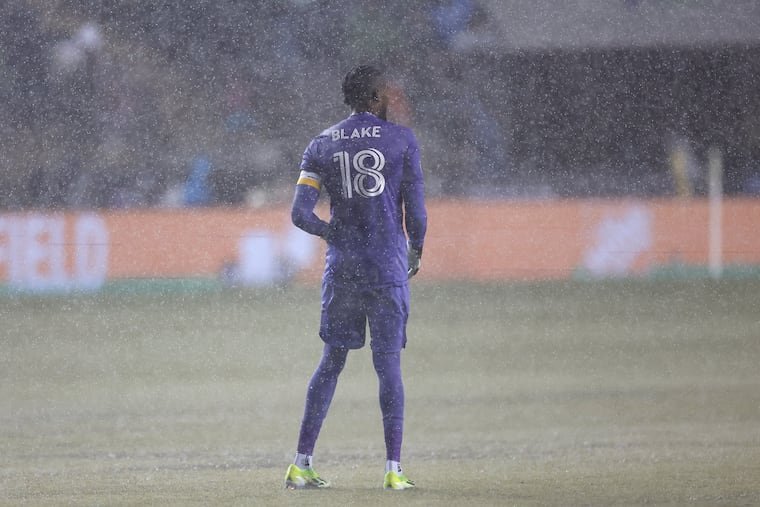
Yes, MLS games can get rained out, though it’s not extremely common.
The sky turns a menacing grey, and the wind picks up – what happens to the soccer game? Many fans wonder, do MLS games get rained out? It’s a valid question, as weather can certainly impact outdoor sporting events.
While MLS teams typically try to play through light rain, heavy downpours or severe weather often result in delays or even postponements. They prioritize player safety and the overall fan experience when deciding about any interruptions.

Do MLS Games Get Rained Out? Understanding Weather Delays and Cancellations
You’re all geared up for a Major League Soccer (MLS) match, ready to cheer on your favorite team. But then, the sky turns gray, and rain starts to fall. You might be wondering, “Do MLS games get rained out?” It’s a great question, and the answer isn’t always a simple yes or no. Let’s dive into what happens when the weather turns sour during MLS season.
The MLS Weather Policy: What Happens When It Rains?
MLS, like other major sports leagues, has a policy for dealing with bad weather. It’s not just about rain; it also covers other dangerous conditions like lightning, extreme heat, and even snow. The main goal is to keep everyone – players, fans, and staff – safe. It’s not just about whether it’s raining; it’s about if the conditions are safe for play. MLS aims to make sure games can be played fairly. Often, MLS teams will make sure there are contingency plans, ensuring that a game is played either on the scheduled day, or soon after.
Rain Delays vs. Cancellations
Most of the time, when it rains, MLS games aren’t completely canceled. Instead, they’re often delayed. A delay means that the game is put on hold for a little while until the weather gets better. Think of it like a time-out for the rain! Here’s a quick look at the typical process:
- Initial Delay: When the rain starts, especially if it’s heavy, or if there is lightning, the game officials might call a temporary halt to the game. The players will go off the field, and fans might need to seek shelter, and the league looks into whether or not to postpone it.
- Monitoring Conditions: Officials watch the weather closely. They use things like radar and forecasts to see how long the bad weather might last. If a break in the weather is expected, the delay will be shorter. If bad conditions appear like it’ll continue, the delay will be longer
- Resuming Play: Once the weather improves, the teams will be given a warning and will come back onto the field and the game will resume at the point where it was stopped. If a delay stretches beyond a reasonable amount of time, the game may be postponed to be played at a later date.
- Full Cancellation: A full cancellation usually only happens if the weather is consistently unsafe or if the stadium itself is affected by the weather (like significant flooding), making it impossible to play that day, or due to circumstances out of the league’s control.
So, if you see rain, don’t automatically assume the game is canceled! Usually, the game will go on, just with a little pause in the action.
Factors Influencing Weather Decisions in MLS
Several factors play a big role in whether an MLS game is delayed or called off due to weather. These factors are considered carefully by the league officials and game staff. Here are some key things they consider:
Severity of the Rain
The amount of rain matters a lot. A light drizzle might not stop a game, but a heavy downpour can make the field slippery and unsafe for players. Waterlogged pitches can make the ball behave very unpredictably, and can also create dangerous situations that can make it hard to play in.
Lightning
Lightning is a big no-no for outdoor sports. Even if it’s not raining hard, any sign of lightning near the stadium will cause a delay. It’s a matter of safety. Players and fans are at risk of being struck by lightning, so all personnel are moved inside and the game is paused, if not postponed, until the lightning danger passes. Lightning strikes are dangerous, and league officials take the risk seriously.
Field Conditions
The condition of the playing surface is super important. If the field becomes too soggy, it can be really dangerous for players. Imagine trying to run and turn when the ground is like mud; it’s not just difficult, but it could lead to injuries. This is why game officials pay careful attention to how the field is holding up.
Forecasts and Radar
MLS officials don’t just look at the weather outside at the stadium; they use all the technology available to them! They use weather forecasts and radar to see what’s coming. This helps them make decisions early and gives teams and fans a heads-up if there’s a chance of delay or postponement. This includes local weather stations, that can track current conditions, as well as make predictions on what the weather will look like for the rest of the day or night.
Timing of the Game
The time when the match is scheduled can be a factor. A match in the late afternoon or evening might be more likely to be delayed if a storm is coming compared to an early match. This also affects travel for the team and fans as well, since weather conditions change quickly.
What Happens to Your Ticket When a Game Is Delayed or Postponed?
Now, let’s talk about your ticket. What happens if an MLS game you’re planning to attend gets delayed or postponed because of bad weather? Here’s what you need to know:
Delay Policies
If the game is delayed but ultimately played on the same day, your ticket will still be valid. If the stadium has open seating, usually if there are seats that are on the sidelines, people are generally able to move to a spot that isn’t directly affected by rain. You won’t need to do anything with your ticket, just make sure you keep it safe!
Postponement Policies
If the game is postponed to a different day, your ticket is usually good for the new date. The team or the ticket provider will let you know when the rescheduled game will be. Sometimes the team/league may give fans options, like refunding the ticket price or giving you a credit for a future game. Each team can have its own specific policies for this, so it’s good to check the specific policy on that club’s website.
Check Team and Stadium Websites
The most important thing to do when there’s a chance of bad weather is to check the specific team’s website and stadium information, and be sure to check them before you head to the game. They usually update this information on the same day that weather issues occur, if not earlier. They often have detailed info about their ticket policies and what will happen in case of weather-related delays or postponements. This could save you time and a lot of frustration.
How Fans Can Prepare for Weather at MLS Games
Being prepared for weather is an important part of going to outdoor sports events, like MLS games. Here are a few tips to stay comfortable and safe:
Check the Forecast Before You Go
Always check the weather forecast before heading to the stadium. Knowing if there’s rain, heat, or other weather issues coming can help you plan your attire and what you bring to the game. Checking the weather beforehand can help you plan to make the best of your experience
Dress Appropriately
Dress for the weather, be sure to layer clothing. If rain is expected, bring a raincoat or a poncho. Avoid carrying umbrellas to an outdoor sporting event; these are often prohibited due to safety and visibility reasons. If it’s hot, wear light, breathable clothes, a hat, and sunscreen.
Bring Protective Gear
If you know rain is likely, pack a small poncho or a lightweight rain jacket. Some stadiums sell these at the stadium as well, but prices may be higher. It is best practice to have these with you at all times, especially if the weather is unpredictable.
Stay Hydrated
Weather is one of the key factors that you must keep in mind as a fan. Whether it’s hot or not, it is key that you stay hydrated, so be sure to drink lots of water before, during, and after the game. It’s a good practice to bring a water bottle to the stadium, but always check the stadium’s policies on outside food and beverages. Most stadiums have places where you can refill your water bottle, but its good to check beforehand.
Follow Stadium and League Announcements
Pay attention to announcements at the stadium and any updates that the MLS or the team releases through their websites or social media. They’ll keep you informed about delays, postponements, and any safety precautions.
The Rare Case of Snow and MLS Games
While rain is the most common weather issue, sometimes snow can affect MLS games, especially in the early spring or late fall. Most MLS games are scheduled during the warmer months of the year, however, some clubs in the Northern part of the US, or in Canada, have to deal with the possibility of snow.
Impact of Snow
Snow can be problematic for soccer games. A light dusting might not be a problem, but heavy snowfall can make the field unplayable and can create similar issues that rain does, such as making the field slick, making it harder to see the ball, and affecting overall safety. Heavy snow or ice is a big safety issue and is a key reason for postponing the game.
Postponement Due to Snow
Similar to rain, if a lot of snow or ice is expected, the game will probably be postponed for the safety of the players and fans. Officials must consider the safety of fans getting to the game as well, as travel conditions can be very dangerous, especially if roads are covered in ice. This is why snow can cause longer delays than other types of bad weather.
Extreme Heat: Another Consideration for MLS
It’s not only rain and snow that can impact the game; extreme heat can also pose a problem. MLS is played during the summer months, when weather can get very hot, especially in areas like the southern US. Here’s what they do when it gets too hot:
Heat Delays and Hydration Breaks
When temperatures get really high, MLS might have additional hydration breaks throughout the game. This helps players stay safe and avoid heat-related health issues. These breaks are very similar to the breaks that occur for a short time in each half of the game, and are done with the safety of the players in mind. Some games might be delayed or even postponed due to heat, to avoid the hottest parts of the day.
Fan Safety in Heat
Just like players, fans need to be careful during hot weather. Stadiums may have cooling areas or water stations available. It’s key for fans to stay hydrated and take breaks in the shade if necessary. Stadium staff will usually advise fans to be safe and be aware of their surroundings.
Dealing with Other Weather Conditions
Aside from rain, snow, and heat, there are other weather conditions that can sometimes play a factor in MLS games. Here are a couple of other weather situations, which may delay or postpone a match.
High Winds
High winds are not as common, but can affect the playing conditions. High wind speeds can cause balls to move in strange ways, and it can make playing fairly, challenging for all. Sometimes, strong winds are also coupled with dangerous conditions like lightning and rain, so it is something that officials look for, when weather conditions are being examined.
Poor Visibility
Conditions like fog or smoke can also be a problem. If visibility is very low, it can be dangerous for players and fans, and makes playing fair and fun, impossible. Poor visibility can also affect the broadcast of the game, making it harder for fans at home to watch. Poor visibility is another factor that MLS looks at when deciding to delay, postpone, or play a game.
So, do MLS games get rained out? Sometimes, but most of the time they are delayed and resumed after the weather is better. MLS prioritizes safety and aims to make sure that games are played fairly under acceptable conditions. By following these guidelines, everyone can better understand how weather impacts the game, and can stay informed about when and how games are played! Stay tuned to club channels for any updates!
How the forecast impacts markings for MLS and NFL games
Final Thoughts
MLS games do get rained out, though it’s not super common. The league usually makes every effort to play matches. They will try to delay games if possible to avoid cancellation.
Severe weather, such as heavy storms, might force a game to be postponed. Rescheduling will then happen at a later date. Fans might wonder, “do mls games get rained out?” The answer, while not ideal, is sometimes yes.

