
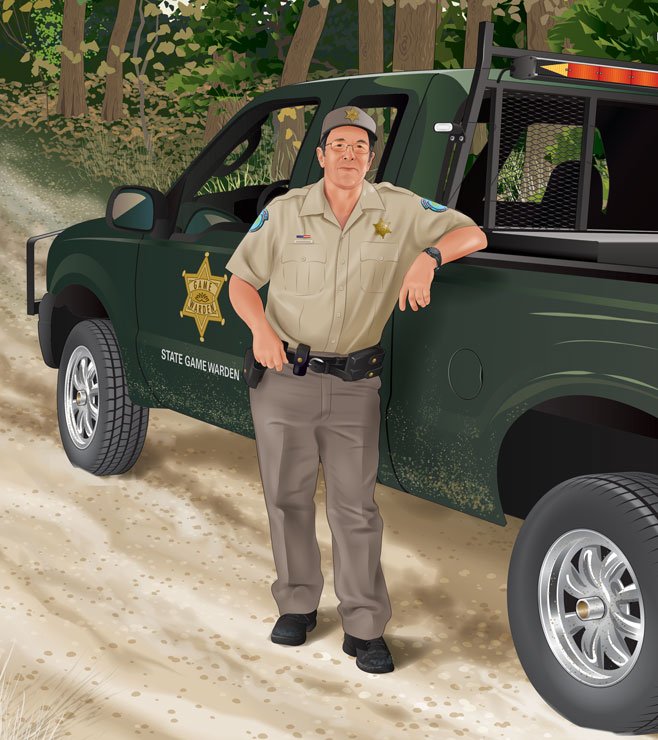
Game conservation laws directly shape hunter education by dictating the specific knowledge and skills trainees must acquire, emphasizing ethical hunting practices and legal compliance.
Ever wondered how the rules of the game impact the lessons taught to aspiring hunters? The connection is vital. It’s not just about aiming straight; it also focuses on the rules and regulations. The question, “how do game conservation laws affect hunters hunter ed,” is paramount for understanding responsible hunting.
Game laws drive hunter education curriculum. These laws outline what is and isn’t legal regarding hunting, impacting what trainees learn about specific species, seasons, and permitted methods. It guides the core ethics instilled in new hunters.

How Do Game Conservation Laws Affect Hunters and Hunter Ed?
Game conservation laws are like the rules of the road for hunters. They aren’t just random things made up to make hunting harder; they are actually super important for keeping wildlife populations healthy and thriving. These laws directly affect what hunters can do, when they can do it, and how they have to prepare. That’s where hunter education comes in – it’s the key to understanding and following these rules. Let’s dive into how these two things are connected.
The Purpose of Game Conservation Laws
Imagine a world where everyone could hunt as much as they wanted, anytime they wanted. It wouldn’t take long for animal populations to disappear, right? That’s why we have game conservation laws. These laws aim to:
- Prevent Overhunting: Laws limit the number of animals that can be taken to ensure there are enough breeding adults to keep populations going.
- Protect Endangered Species: Certain animals are at risk of disappearing. Laws safeguard them by making it illegal to hunt them or by limiting where and when they can be hunted.
- Maintain Habitat: Laws may be in place to protect the places where animals live, feed, and raise their young. This can be done by limiting hunting in certain areas or setting rules for what you can and cannot do in wildlife areas.
- Balance Ecosystems: Game animals play a role in the ecosystem. Hunting laws can help to ensure that there are not too many or too few of them, helping to keep things in check.
- Manage Game Populations: Wildlife managers use data on animal numbers to adjust hunting regulations. This ensures that the animal populations don’t get too big or too small. This could involve increasing bag limits for animals that are plentiful and reducing it for those who are fewer in numbers.
These laws are not just about protecting the animals themselves; they’re about making sure that hunting is sustainable for the long term. This means future generations can experience the outdoors and hunting as we do today.
Hunter Education: Your Key to Understanding
Hunter education courses are specifically designed to teach you about game conservation laws. Think of it as a driver’s education class, but for hunters. These courses cover a lot of ground, including:
Learning the Regulations
- Hunting Seasons: When can you hunt certain animals? These times are based on the animal’s breeding cycle and ensure animals can reproduce.
- Bag Limits: How many animals of each species are you allowed to take? This helps prevent overharvesting of game.
- Legal Hunting Methods: What kinds of weapons are you allowed to use? How can you legally hunt a certain animal? Regulations vary between species and geographical location.
- Permits and Licenses: What licenses or permits are needed for hunting specific animals and where do you need to obtain them from?
Hunter education makes sure you know the specifics of what is legal and ethical. It’s not enough to just know you need a license; you have to know the particular rules for where you hunt.
Identifying Wildlife
A crucial part of following game laws is knowing exactly what you’re hunting. Mistaking one animal for another could lead to serious legal issues. Hunter ed teaches you:
- Species Recognition: How to tell different types of animals apart. This includes differences between males and females, young and old, and similar-looking animals.
- Identifying Protected Species: Recognizing animals you are not allowed to hunt because they are endangered or protected.
Correct identification is critical to avoid breaking the law and harming protected species. This also contributes to the overall goal of wildlife preservation and conservation.
Ethical Hunting Practices
It’s not all about what is legal; it’s also about what is ethical. Hunter education promotes:
- Fair Chase: Hunting in a way that gives the animal a fair chance to get away.
- Respect for Wildlife: Treating animals and their habitats with respect.
- Responsible Hunting: Following safety rules and handling firearms properly.
- Proper Game Handling: Knowing how to field dress game animals safely and ethically, with an understanding of hygiene and resourcefulness.
Ethical practices are not always laws, but they are a huge part of being a responsible hunter, and are very important for sustainable hunting and preserving the sport’s integrity.
Understanding Conservation Principles
Hunter education courses also touch on the science behind game management and why these laws are necessary. You will learn about:
- Population Dynamics: How animal populations grow and decline, and how hunting plays a role.
- Habitat Management: How different things affect wildlife habitats, and what can be done to protect them.
- The Role of Hunters in Conservation: How hunters can contribute to wildlife management and conservation through license fees and volunteer work.
Knowing the “why” behind the rules often makes it easier to follow the “what.” Understanding how your actions impact animal populations encourages responsible behaviour.
How Laws and Education Interact
Imagine a Venn diagram with game conservation laws on one side and hunter education on the other. The overlap – the place where they meet – is where responsible, legal, and ethical hunting happens. Here’s a closer look at how they connect:
Legal Compliance
Hunter education courses prepare you to follow the specific game laws in your area. If you don’t understand or follow these laws, you could face:
- Fines and Penalties: These can be significant, depending on the violation.
- Loss of Hunting Privileges: You could lose your right to hunt for a period of time, or even permanently.
- Criminal Charges: In severe cases, breaking wildlife laws can lead to criminal prosecution.
Hunter education not only helps you to follow the rules, but also helps to protect you from legal problems.
Promoting Conservation
Hunters who understand the importance of conservation are more likely to support these efforts. These hunters:
- Respect Wildlife: They see animals as more than just trophies, they respect the animal and the environment.
- Report Violations: They are more likely to speak out if they see someone breaking the law.
- Support Conservation Programs: Through their license fees, they contribute to wildlife management.
- Engage in Habitat Improvement: Some hunters actively participate in efforts to restore habitats for wildlife.
When hunters are involved in conservation, it strengthens the entire system and makes the future of hunting more stable.
Ensuring Hunter Safety
Hunter education is not just about laws; it’s also about safety. Understanding the rules of safe gun handling and hunter ethics leads to:
- Fewer Hunting Accidents: Safe gun handling reduces the chance of accidental shootings.
- More Respectful Hunting: It ensures the safety of you and others.
- Better Hunter Image: Educated hunters are seen as responsible and ethical.
Safety is a critical part of the hunting experience, and it helps to ensure that everyone stays safe and that the sport continues to be viewed in a positive light.
Adaptive Management
Game conservation laws are not static; they change based on scientific data. For example, if a deer population is doing well, the bag limits might increase. Hunter education courses keep hunters updated with these changes:
- New Regulations: Changes in seasons, bag limits, or hunting methods.
- Updated Information: How scientific research informs management practices.
- Local Rules and Ordinances: Understanding special regulations that may exist in specific areas.
This allows hunters to stay informed and ensures they’re always hunting ethically and within the boundaries of the law. It’s part of the continuous cycle of learning and improvement.
Real-Life Examples
Let’s look at some scenarios to see how game laws and hunter ed connect.
Scenario 1: The Incorrect Identification
Imagine a hunter in the woods who isn’t very experienced. They see an animal that looks like a deer, and they take a shot. However, it turns out to be a protected species that looks similar to the deer. Without hunter education, this mistake could have serious consequences – it could lead to a fine, losing the right to hunt, or even worse. With good hunter education, the hunter would know how to identify the protected animal and wouldn’t take the shot, averting a violation.
Scenario 2: The Bag Limit Violation
A hunter has a successful day and has harvested their bag limit of ducks. But, since they don’t understand bag limits, they keep hunting and end up taking more ducks than they are allowed. This act is a clear violation of the rules. Because of hunter education, they would have been taught about bag limits, know what to do after achieving their limit and prevent the violation from happening.
Scenario 3: Out of Season Hunting
A hunter hears that ducks are still plentiful in their local area during the off season. Thinking that there are still many ducks available, they decided to go out for hunting. This is a violation of hunting seasons, as hunting is only allowed during the set season, in order for ducks to be able to reproduce. Hunter education will ensure that the hunter does not engage in any act of hunting during the off season, as it could be detrimental to the overall wildlife population.
Making a Difference
Game conservation laws and hunter education aren’t just about rules and regulations. They’re about being a responsible steward of the environment and ensuring that future generations can enjoy the sport of hunting. When hunters follow the laws and principles of ethics, they show their love for nature and make a positive impact.
The combined efforts of well-understood laws and comprehensive hunter education programs create a system where both wildlife and hunting can flourish together. This system requires continuous learning and a commitment to responsible hunting, something every hunter should strive for.
By understanding and respecting these rules, and through continuing hunter education, we play our part in keeping wildlife healthy and hunting sustainable for many years to come. It’s a shared responsibility that makes the natural world a better place.
How Do Game Conservation Laws Affect Hunters?
Final Thoughts
Game conservation laws directly shape hunter education. Students must learn these regulations to participate legally and ethically in hunting. Knowing specific hunting seasons, bag limits, and lawful gear is crucial.
Hunter education programs include how conservation efforts impact wildlife populations. Students learn the “why” behind rules. This is must for responsible hunting practices.
Ultimately, how do game conservation laws affect hunters hunter ed is clear. These laws provide the core content of education. They ensure hunters become knowledgeable and supportive of wildlife management.

