
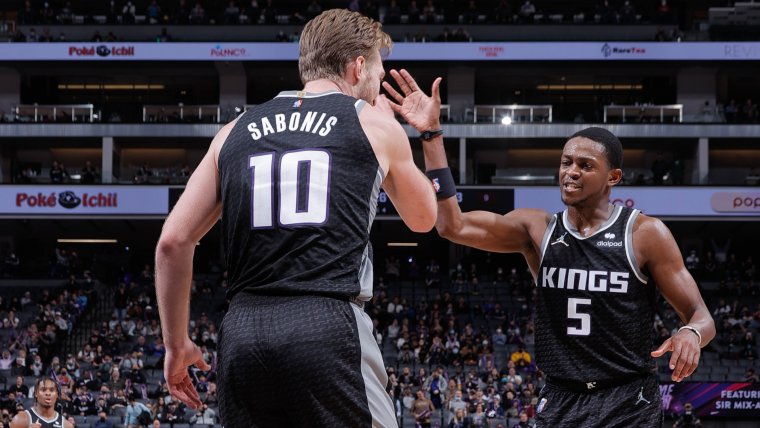
NBA preseason games matter
primarily for team chemistry, experimenting with rotations, and identifying areas for improvement before the regular season begins; however, their win/loss records are generally insignificant.
Do NBA preseason games matter? It’s a question many basketball fans ponder each year. While the intensity might not match the playoffs, these games do provide a valuable glimpse into team dynamics. Coaches utilize them to test new strategies and evaluate player performance.
These early contests often reveal strengths and weaknesses. Teams use them to make critical roster decisions. Though the final scores lack significant consequence, the information gained is vital.

Do NBA Preseason Games Matter?
Okay, basketball fans, let’s talk about the NBA preseason. You see those games where the big stars might only play a little bit, and the scores sometimes look kind of weird? It’s natural to wonder, do those games even matter? It’s not like they count toward the real standings, where teams fight for playoff spots. So, what’s the deal? Well, the answer is a bit more complicated than a simple yes or no. Preseason games have a purpose, even if it’s not always about winning every single time.
The Real Purpose of Preseason: Getting Ready
Think of preseason as a practice run for a big race. Imagine a runner who hasn’t raced for a while. They wouldn’t just jump into a major marathon, right? They’d need to practice, test out their pace, and get their body ready. It’s similar for NBA teams. Preseason games are really about getting ready for the regular season. They help teams in a number of ways.
Getting Players in Game Shape
NBA players are incredible athletes, but they need to build up their “game legs” after time off. Preseason helps players get back into the rhythm of playing basketball at a high level. They use these games to shake off rust and improve their conditioning. They need to get used to the pace of the game, the quick starts and stops, and the back-and-forth action.
- Cardio: Getting their heart and lungs ready for the long season.
- Strength: Players test their strength and ability after off-season breaks.
- Stamina: Getting used to playing long stretches without getting tired.
Implementing New Plays and Strategies
During the off-season, coaches work on new ways for their teams to play. This could mean new offensive plays, defensive schemes, or even how they want to use certain players. Preseason is where they put these ideas to the test. It is like trying out a new recipe, you need to know if it is a good one or needs more work. Preseason games offer a place to practice and adjust.
- Trying out new plays: Seeing which ones work best in live game situations.
- Testing defensive strategies: Seeing how well players can work together.
- Player rotations: Figuring out who plays well with whom.
Building Team Chemistry
Basketball is a team sport, and players need to build chemistry with their teammates. Preseason games let players learn how to read each other on the court, get used to each other’s playing styles, and develop a sense of team unity. Players need to get used to playing together, passing the ball well, and reading each other’s minds on the court. Think of it like a group project in school – everyone needs to learn how to work together.
- Understanding each other’s moves: Learning where teammates will be on the court.
- Developing trust: Knowing who to pass to in different situations.
- Creating a positive team environment: Getting to know each other better.
Opportunities for Young Players and Bench Players
Preseason games aren’t only beneficial for the starters or big-name players. They give opportunities to other players on the team too. Young players and bench players get a chance to show what they can do.
Showcasing Young Talent
Preseason games can be a golden opportunity for young players who are trying to make their mark in the league. They get more playing time and chances to show off their talents. This helps coaches decide who is ready for a bigger role. It’s like an audition for a play, and these games are their chance to impress the directors.
- More playing time: Young players get extended minutes to show their potential.
- Learning from veterans: Playing alongside experienced players helps them grow.
- Making an impression: Trying to earn a spot on the final roster or a bigger role.
Bench Players Proving Their Worth
Players who usually sit on the bench in regular season games also get more playing time in the preseason. This is a great chance for them to demonstrate their value to the team. They can show they are ready to contribute when they get called upon. It is like a backup singer getting a chance to show their talents on the main stage.
- Showing consistency: Demonstrating that they can perform well consistently.
- Improving their game: Trying out new skills in game situations.
- Proving their reliability: Showcasing that they can be counted on when needed.
The Downside of Preseason
Okay, we have talked about how preseason can be helpful. But, there can be some drawbacks or negative things about them too. It’s not all perfect.
Risk of Injuries
Players try hard in these preseason games to impress and get better, but sometimes they can get hurt. Because these games are fast-paced and intense, there’s always a risk of injury, even if it’s just a minor one. It is like driving a car, there is always a possibility of an accident.
- Strain and Sprains: The risk is always there when players push themselves.
- Impact injuries: Due to fast-paced plays, there is risk of collisions.
- Time off the court: Injuries can keep them from playing in the season.
Not the Most Intense Competition
Even though players are trying their best to improve, the intensity of the games is usually not the same as the regular season. This is because coaches are experimenting and trying out new things and also, since these are friendly matches, they are often not as competitive as regular season games. Some players might not play as hard, saving their energy for the real deal. It is like a practice drill compared to a real match.
- Players may hold back: They want to avoid injuries and save their energy.
- Focus on practice: Coaches often focus more on implementing plans rather than winning.
- Less intense competition: Games don’t have the same energy as regular season.
How Fans Should Look at Preseason
As fans, how should we watch and interpret preseason games? Should we get too excited about a big win or too worried about a loss? It’s a good idea to view these games with a bit of perspective.
Don’t Overreact to Results
It’s easy to get caught up in the excitement and start predicting the team’s success or failure based on their preseason results. But, it’s better not to overreact too much on wins or losses. Because they’re not a good sign of how a team will perform in the real season. They may be good for teams to learn and improve, but not the best way to judge how good a team is. It’s like trying to predict the weather based on a single day’s cloud. It might not be accurate.
- Focus on player development: Watch how individual players are improving.
- Team improvement: Look for how well the team is playing together.
- Don’t read too much: Remember, wins and losses don’t matter in preseason.
Observe Player Performance and New Strategies
Instead of focusing just on the score, pay closer attention to what the players are doing on the court. Do they look more skilled? Are the new strategies of the team working? Are the players developing a good sense of team chemistry? This can be more telling than a simple win or loss. It’s like watching a rehearsal for a play – you see the potential and the direction the team is headed.
- New player combinations: Notice the new ways that players are working together.
- Player development: See how well players are adapting to new strategies.
- Adjustments during the game: How the team changes its game plan to try different things.
Preseason Statistics: A Grain of Salt
You might see some statistics popping up from preseason games. Don’t give too much attention to them. While stats are always a part of basketball, they don’t mean much in the preseason. Teams might play different players at different times, making the stats not very reliable. It’s like trying to judge a cake’s quality from a small piece of it. It’s not a full picture.
Limited Play Time for Starters
Star players usually play only for short periods during preseason games. This means they don’t put up as big numbers as they might in the real season. So, judging their performance by their preseason stats is not a good idea. The coaches want them to rest up and be ready for the real games. It’s like giving a car a test drive, not putting it on a full race.
- Less playing time: Star players don’t play as many minutes as usual.
- Protecting starters: Coaches want to avoid injuries to their key players.
- Experimenting with different lineups: Testing different players and combinations.
Focus on Experimentation
Coaches use preseason to test different lineups and strategies. Therefore, the statistics may not reflect what they would do during the real season. They might try players in new positions, use different combinations, and test defensive tactics. So, we need to take the stats with a bit of a grain of salt. It’s like trying different ingredients in a recipe – sometimes it works, sometimes it doesn’t.
- Trying out new positions: Playing players in places they don’t normally play.
- Testing different line ups: Using different combinations to see which ones work best.
- Experimenting with strategies: Testing different plays and defensive techniques.
The Importance of Preseason to Team and Player Development
Overall, preseason games have a really important role in getting teams and players ready for the long and tough NBA season. They provide the perfect opportunity to make sure the players are healthy, the team is playing well together, and the strategies are in place. Let’s take a deeper look into the real importance of preseason.
Fine-Tuning Player Skills
Preseason games offer players the chance to improve their skills in a real game setting. They can work on shooting, passing, and defense against real opponents. It is like a dress rehearsal before the big performance. It’s a chance to polish their skills before the season starts.
- Improved Shooting Accuracy: Working on their shooting touch against real defenders.
- Better Passing Skills: Improving timing and precision in their passes.
- Enhanced Defensive Techniques: Getting better at guarding players and stopping opponents.
Developing Team Cohesion
Preseason helps teams play better by improving how well the players work together. When teams play games together, they learn to trust each other and work well together. They get used to each other’s playing styles, and that’s key for a successful season. It is like building a house with strong foundation.
- Learning Team Dynamics: Seeing how players work together in game situations.
- Building Trust: Developing trust and confidence in each other.
- Improving Communication: Working on communication both on and off the court.
Identifying Areas for Improvement
Teams can discover their weaknesses and areas for improvement during the preseason. These are the issues that they can improve before the real season starts. It’s better to identify areas to improve early on rather than when the season is already under way. It is like having a diagnostic test to find the problem and work on them before the real test.
- Pointing out Weak Spots: Spotting areas where the team needs to do better.
- Addressing Issues: Figuring out ways to fix the team’s problems.
- Making Necessary Changes: Adjusting the team’s plans before the season starts.
In Conclusion
So, do NBA preseason games matter? Yes, they do, but not in the same way that regular-season games matter. They aren’t about wins and losses. They’re more like a tune-up for a car before a long road trip. Preseason helps teams prepare, try out new things, develop chemistry, and give young players a chance to shine. As fans, we shouldn’t worry too much about the score. Instead, we should focus on watching individual players improve, observing the team’s new strategies, and the overall team’s development. Preseason games are a vital part of the NBA journey, helping teams get ready for the real competition ahead.
Do NBA Preseason Wins Matter?
Final Thoughts
Ultimately, preseason games offer teams a chance to experiment. They allow players to get back into game shape. Coaches must assess new talent and refine strategies.
Preseason results rarely predict regular season success. The importance lies in development and preparation. Thus, do NBA preseason games matter? Yes, they provide crucial training, but don’t over-analyze win-loss records.

