
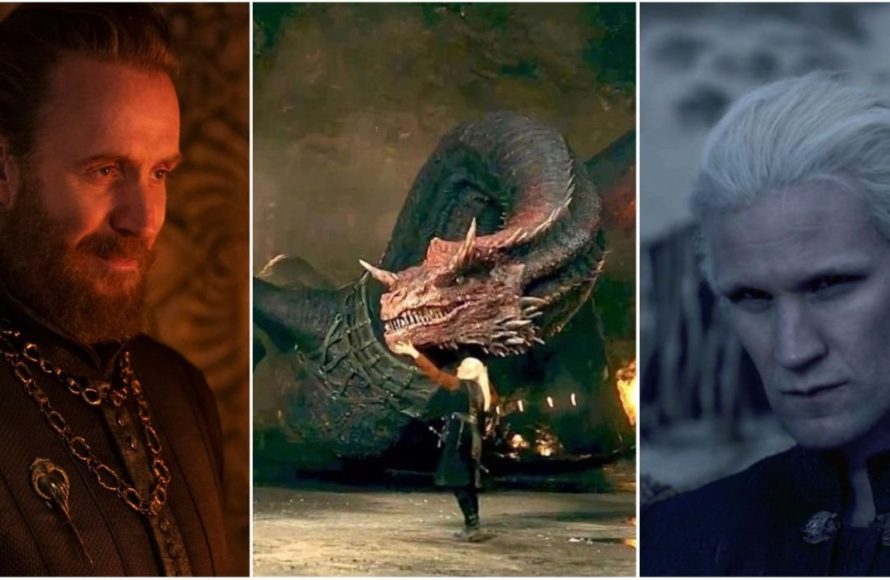
While House of the Dragon presents a compelling story, it’s not definitively better than Game of Thrones; both shows offer unique strengths and viewing experiences.
The question lingers in the minds of many fantasy fans: is House of the Dragon better than Game of Thrones? This debate has fueled countless discussions since the prequel’s premiere, each side armed with compelling arguments. Both series share the same universe, yet they differ in focus, pacing, and overall tone. The comparison is complicated, but worth exploring.

Is House of the Dragon Better Than Game of Thrones?
Okay, let’s dive into the big question that’s been on everyone’s minds: Is House of the Dragon actually better than Game of Thrones? It’s like comparing apples and oranges, but they’re both really popular fruits, right? Game of Thrones was a massive, sprawling story with tons of characters and locations. It took us to the frozen North and the sunny South, and everywhere in between. House of the Dragon, on the other hand, zooms in on one family, the Targaryens, and one specific time period. This difference in scope is really important when we think about which show is “better.” It’s not simply about which one we like more, but what each show aimed to achieve and how well it did it.
The Scope of the Story: A Grand Saga vs. Focused Family Drama
Game of Thrones gave us a huge world to explore. We met so many different characters: brave knights, cunning politicians, powerful queens, and even spooky ice zombies. We saw them all fighting, scheming, and sometimes even working together. It was like reading a really long history book, with each page bringing new twists and turns. The scale of the story was simply massive, stretching across a whole continent with multiple families vying for the Iron Throne. This is a major point to keep in mind when we are thinking, which show did more justice to their narrative.
Game of Thrones: A Wider Canvas
Think about the places we visited: King’s Landing with its dark secrets, Winterfell with its snowy walls, and the arid landscapes of Dorne. These settings were integral parts of the story, shaping the characters and the plot. It wasn’t just about the Iron Throne, it was about the whole world and how everyone was affected. Game of Thrones presented a complex tapestry of political intrigues, moral dilemmas, and a struggle for power that felt both personal and epic. We followed the journeys of dozens of characters, making it almost impossible to know who would live or die. It was a rollercoaster of emotions. The large cast meant that we saw different viewpoints and that was great to see.
- Multiple family houses with individual struggles
- A large geographical area, many separate kingdoms with their own culture and history
- A wide timeline that spanned generations
- A lot of characters to follow, some with complicated storylines
House of the Dragon: Intimate and Intense
House of the Dragon, in comparison, is a more focused story. It’s primarily about the Targaryen family and their internal struggles for power. Instead of a widespread war involving many houses, we see a civil war within one powerful family. It’s like a magnifying glass on the Targaryens, showing us their strengths, their weaknesses, and their fiery dragons. The show is more character-driven, digging deep into the personalities of Rhaenyra, Daemon, Alicent, and others. This focused approach allows us to really get to know these characters and see how their personal conflicts tear apart their family. It feels more like a Shakespearean tragedy than a grand fantasy epic. The setting is more confined, primarily centered around Dragonstone and the Red Keep, giving us a greater sense of the Targaryen’s world. Instead of exploring a large world, this show asks us to look closely at one family and the complex relationships between its members. This is one of the key differences between the two shows.
- Focus on the Targaryen house and their conflicts
- A smaller area to explore, mostly the capital
- Shorter timeline that concentrates on a specific period of Targaryen history
- Characters that are related, and their issues are mostly the family issues
Character Depth and Development
Both shows boast impressive characters, but they use character development differently. Game of Thrones had so many characters, which made it hard to keep up, but it also meant that we saw characters change in incredible ways over the course of the seasons. We witnessed the growth of characters like Jon Snow from a naive boy to a leader, the transformation of Sansa Stark from a captive to a cunning player of the game, and the change in Jaime Lannister from a villain to a conflicted hero. These character arcs were central to the show’s success.
Game of Thrones: The Evolution of Many
Character development in Game of Thrones was a slow burn. We saw many characters go through significant changes, often as a result of the difficult choices they had to make and the harsh realities of the world they lived in. The show took its time building up characters, and it paid off. By the end, we felt like we knew these characters very well, and we were invested in their stories. The unpredictable nature of who might die made their journeys even more gripping. Every season was filled with surprising character deaths that shocked us as audience, which further cemented the show’s reputation as a dark fantasy show where no character was safe. The character arcs were intricate, demonstrating that power and morality can be very complicated things.
House of the Dragon: Intense Focus on a Few
In House of the Dragon, the character development is much more focused. We spend a lot of time with Rhaenyra, Daemon, Alicent, and their children. We watch as they are shaped by the events that occur in the show. The relationships feel more complicated, as we see them change from allies to rivals, and the drama feels more intimate. The show really emphasizes the flaws and mistakes that these characters make, making them feel more like real people. This focus on a smaller cast allows the show to explore the characters’ motivations in greater detail. The tensions between Rhaenyra and Alicent are the driving force of the story, and we see how these two women’s choices pull the Targaryen house apart. House of the Dragon is exploring the intricate family dynamics with great care, giving us a more layered view of the human struggles of its characters.
Pacing and Storytelling Style
How a story moves along – its pacing – is a big deal. Game of Thrones had a lot to juggle – multiple storylines, locations, and characters. It often used a slower pace, giving the time needed to build the world and its inhabitants. The early seasons especially took their time to set the stage for the epic events that would eventually unfold. This patient storytelling created a more intricate and immersive experience. The slower pace allowed for plenty of dialogue and plot development. It felt more like a detailed book.
Game of Thrones: The Slow Build
The storytelling in Game of Thrones was about gradual growth, where the seeds of conflict were planted early and developed slowly. The show did not shy away from long dialogues to explain complex political dynamics and character motivations. It wasn’t always about big action sequences; sometimes, it was about subtle moments of character interaction that moved the plot forward. The slow pace also meant that we had time to think about the moral dilemmas characters faced and how they would affect the larger story. The show also spent a great deal of time developing the lore and mythos of Westeros.
- A slower pace that builds the world and the characters
- Multiple storylines that were slowly weaved together
- A focus on dialogue and political maneuvering
House of the Dragon: More Immediate Conflict
House of the Dragon, however, is quicker paced, especially when you compare it to the early seasons of Game of Thrones. The central conflict is introduced early, and the show does not waste too much time getting the main drama rolling. It gives us the main characters, their motivations, and their relationships more immediately, and then throws them directly into the conflict. This immediate tension creates an atmosphere of impending conflict, where we are constantly aware that things are not going to end well. This faster pace makes the show more intense, but it also means the story unfolds more rapidly. It feels more like a tense action movie. The show relies heavily on dramatic scenes and visual storytelling to convey the weight of the events.
- A faster pace focused on a central conflict
- More emphasis on dramatic scenes and action
- Intense moments of conflict
Visual Spectacle: Dragons and Action Sequences
Let’s be honest, both shows have some amazing visual moments. Dragons are a big part of both, but the way they are used is different. Game of Thrones had dragons as a late addition, more as a weapon for Daenerys to use. In contrast, dragons are at the very heart of House of the Dragon. They are more like characters themselves, with distinct personalities. This makes their appearance and actions far more important. The action sequences are really good too, in both shows. However, they vary quite a bit.
Game of Thrones: Action as a Consequence
In Game of Thrones, big action sequences were typically the result of wars that are being built for several episodes or seasons. We saw large-scale battles like the Battle of the Bastards or the Battle of Winterfell. These action sequences were spectacular but served a greater purpose. They reflected the scale of the conflicts, and the characters and we as an audience, felt their consequences. The battles often had a gritty, realistic feel that heightened the drama and the cost of war. In addition to the battles, there was a lot of focus on the landscapes and how the setting helped shaped the events. Visuals were very important in making Westeros a living, breathing world.
House of the Dragon: Dragons in the Spotlight
House of the Dragon, on the other hand, includes dragons in almost every episode. These dragons are beautiful and very intimidating. We see them flying, fighting, and bonding with their riders. They’re an integral part of the show’s appeal, and they aren’t just used for battles. They are a part of the Targaryen family and their history, making them seem more alive and connected to the characters. The action sequences feel more personal, as we see individual dragons and their riders engaging in combat. Visuals focus on the dragons themselves and their relationship with the family. The dragon fights are much more central to the story of House of the Dragon and are much more frequent than in Game of Thrones.
The Ending: A Major Point of Comparison
Okay, let’s talk about the elephant in the room: the endings. Game of Thrones had an ending that was, to put it mildly, very divisive. Many fans felt that the last season did not live up to the build-up and character arcs that had been developed for years. This had a major impact on how people remember the show as a whole. The ending is probably the biggest dividing factor when we think about which show is better. House of the Dragon, however, has the benefit of knowing how its story ends, since it’s based on a complete book. This makes many viewers optimistic about a satisfying conclusion.
Game of Thrones: A Divisive Finale
The final season of Game of Thrones faced some intense criticism. Many felt that the conclusion was rushed, character arcs were abandoned, and some major plot points did not make much sense. The ending left many fans feeling that the show’s potential was not reached. Characters that had been built up over years ended up feeling very out of character in the last season. These writing choices were a very big talking point that led many fans to re-evaluate the show and their feelings about it. This finale has definitely had an impact on the show’s overall legacy. It remains one of the most talked-about television endings of all time.
House of the Dragon: The Promise of a Planned Ending
The advantage House of the Dragon has is that its story is drawn from a finished book, which means the ending will not have to be “made up,” like the last few seasons of Game of Thrones. This makes the viewers more hopeful about the ending, because it can focus on what the writer intended it to be. The show can build towards a finale that feels natural, and true to the lore and the characters that have been introduced. This potential for a well-planned, cohesive conclusion gives House of the Dragon a major benefit compared to the ending of Game of Thrones.
Themes and Overall Message
Both Game of Thrones and House of the Dragon explore complex themes, such as power, loyalty, and the cost of ambition. However, they often look at these themes from different angles. Game of Thrones had more to say about war, the dangers of absolute power, and the complexities of good vs. evil. The show asked us to consider whether anyone can truly be good in a world as brutal as Westeros. The show also looks at how political systems can lead to both progress and destruction. In House of the Dragon, it explores the family relationships, their secrets, and their ambitions, making the themes more personal and intimate.
Game of Thrones: Epic and Existential
The themes in Game of Thrones were sprawling, just like the world itself. The story often focused on the destructive nature of unchecked power and the consequences of political maneuvering. The show had a deep sense of moral ambiguity, and it showed us the shades of grey that many characters had to navigate. The show questioned the very nature of good and evil, making viewers ponder these questions. Its themes touched on how ambition, war, and betrayal affect societies and individuals, and it asked, what it means to fight for what is right?
House of the Dragon: Intimate and Tragic
House of the Dragon focuses more on themes of legacy, the pitfalls of pride, and the destructive nature of family conflicts. It looks at the challenges women face in a patriarchal world. We see how personal choices lead to large-scale consequences, and how ambition and entitlement can corrupt even the most powerful individuals. The show uses the Targaryen family as a case study in how a noble house can destroy itself from within. It explores the darker sides of human nature and the tragic impact that these flaws have on family relationships. The show makes us think about family, loyalty, and the costs of conflict. The story delves deep into the family dynamic, making it more intimate and personal.
So, is House of the Dragon better than Game of Thrones? It’s a tricky question. Game of Thrones gave us a huge, sprawling story with so many characters, while House of the Dragon focuses more on a specific family and time period. Both shows have strengths and weaknesses, but they also serve different purposes and therefore provide different experiences. The answer will mostly depend on what you value more in a fantasy show. The important thing to consider here is that both shows are different and great in their own ways.
House of the Dragon will be better than Game of Thrones?
Final Thoughts
House of the Dragon offers a different, narrower focus compared to Game of Thrones. The intense Targaryen family drama certainly provides a compelling watch. Ultimately, which show you prefer becomes a matter of taste.
The question of ‘is house of the dragon better than game of thrones’ remains subjective. Both series have their strengths and weaknesses, but a must is to acknowledge them individually. Both are worthy additions to the fantasy television landscape.

