
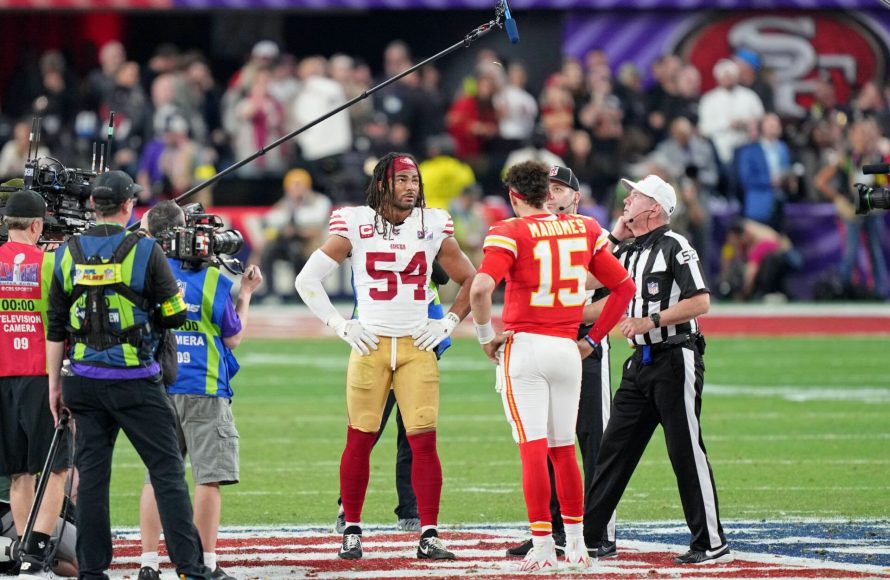
No, NFL preseason games do not go to overtime.
Have you ever wondered, do NFL preseason games go to overtime? It’s a common question for new fans and even seasoned viewers sometimes. These exhibition games operate under slightly different rules than the regular season.
The focus of preseason is evaluating players and preparing for the regular season, not necessarily securing a win with an overtime period. Therefore, when the clock hits zero, the game ends in a tie if it’s level.

Do NFL Preseason Games Go To Overtime?
Let’s dive deep into the exciting world of NFL preseason games and answer a question many fans have: Do these games ever go to overtime? It’s a good question because sometimes, these games look just like the regular season, with lots of action and close scores. But there’s a big difference when it comes to that extra period we know as overtime. Let’s explore how the NFL handles these situations.
The Basic Rules of NFL Overtime
First, we need to understand how overtime works in the NFL during the regular season. In a regular season game, if the score is tied after four quarters, the game goes into overtime. There are specific rules for overtime to decide a winner. Let’s look at some key rules:
- The Coin Toss: A coin is tossed to decide which team gets the ball first.
- Sudden Victory: If the team that gets the ball first scores a touchdown, they win the game. It’s called sudden victory.
- Field Goal and Stop: If the first team gets a field goal, the other team gets a chance to score. If they score a touchdown, they win. If they only get a field goal the game continues with the first team getting another chance to score. If the second team does not score, the first team wins.
- Tie game: If no one score in the overtime, than the game is declared as tied.
These rules make overtime very exciting. They also make sure a team gets a fair chance to win.
Preseason Overtime: A Different Story
Now, here’s the big difference: NFL preseason games do not have overtime. If the score is tied at the end of the fourth quarter, the game ends in a tie. That’s it! There is no extra period.
Why is this different? Well, preseason games are all about preparing for the regular season. They are primarily used to evaluate players, test new strategies, and get the team ready. The goal is not necessarily to have a winner in every game. Instead, the focus is on giving playing time to all players, especially those who are new or trying to make the team. Because of this, the NFL decided there was no need for extra time for games that do not count in the standings.
Reasons Why Preseason Games Don’t Have Overtime
Several factors play into why the NFL chooses not to use overtime in preseason contests. These all revolve around player safety and game management:
Player Safety
The number one reason is player safety. Preseason games often see players who aren’t regulars on the team get most of the playing time, and because of this those players are less experienced and in some cases less fit than the starters. Adding an overtime to an already intense game could increase the chance of injuries. Players get fatigued, especially towards the end of a game. Adding an overtime period would push them even more, potentially leading to more injuries, and the league wants to avoid unnecessary risks.
Limited Roster Spots
During the preseason, teams are actively evaluating players for roster spots. They need to give many players opportunities to play to see who is the most skilled and how they handle game situations. A regular season game features a group of specific starters that see the most playing time, but a preseason game needs to divide playing time among many players. Overtime would add additional playing time and would skew that balance. By ending the game in a tie, coaches make sure to observe all players that they need to evaluate.
Focus on Evaluation, Not Winning
Preseason is all about testing. Coaches want to see how their plays work, how new players do under game-like pressure, and how well the team works together. They aren’t as focused on winning each game as they are during the regular season. Adding an overtime adds more stress that coaches don’t want in the preseason.
Protecting Starters
Another reason for no overtime is to protect the starters. During the preseason, coaches want to give key players some playing time, but not too much. Starters need to stay healthy and injury free so that they can perform their best during regular season games. Overtime would increase the risk of injury to these players. By keeping the playing time to just four quarters, coaches can better protect their important players.
Saving Energy for the Regular Season
Preseason is for working the kinks out of the system, but the regular season is what really matters. The intensity of a regular season game and the importance of wins means that players need to be physically and mentally prepared. Making players go through an overtime would wear them down. The NFL is very careful to make sure players enter the regular season at their peak condition.
How Ties Affect Preseason Games
Since preseason games can end in a tie, how does it affect the game? The answer is, very little. Because preseason games don’t count toward a team’s regular season record, there isn’t much that changes with a tie. Coaches can still evaluate players and see the effectiveness of new game strategies. The main goals of the preseason are met regardless of the result.
Key Takeaways About Preseason Overtime
To make it easy to understand, here’s a quick summary of the main points:
- No Overtime: NFL preseason games do not have overtime. If the score is tied after four quarters, the game ends in a tie.
- Focus on Evaluation: The priority of preseason games is to test players and strategies, not necessarily to win.
- Player Safety: The NFL wants to avoid unnecessary risks of injury during preseason by skipping the overtime period.
- Limited Roster Spots: Preseason provides time to evaluate many players and ensure an equal opportunity to show their capabilities.
Why is this Important for Fans?
Knowing that preseason games do not have overtime can help fans to enjoy the games. It is helpful to know why the NFL does not need an overtime period. Understanding the main goal of the preseason can help fans appreciate it for the way it is meant to be.
For example, if you are watching a close game during the preseason, and are hoping for an overtime period, you will not see it. When the clock strikes zero at the end of the fourth quarter, you will know the game will end in a tie. There is no need to wonder what will happen next.
A Quick Look at Overtime in Other Football Leagues
It’s also interesting to see how other football leagues handle overtime. College football and the Canadian Football League (CFL) have different rules from the NFL. This can help us to compare how overtime rules are different across different leagues.
College Football Overtime Rules
In college football, overtime is very different. Here’s how it works:
- Each team gets a chance to try to score from the 25 yard line.
- If each team scores the same number of points, they go to another overtime period.
- After the third overtime period, each team will then have a 2-point conversion attempt, rather than the run of the ball.
- College overtime is about scoring on each play, rather than the sudden victory approach that is seen in NFL regular season games.
Canadian Football League (CFL) Overtime
The CFL uses a system of overtime that is very different from either the NFL or College Football. Here is a look at the rules:
- Each team gets one drive at the ball.
- If each team scores the same amount of points on the single drive, the game continues to the next overtime period.
- After the third overtime period, each team will then have a 2-point conversion attempt, rather than the run of the ball.
- The rules are closer to the college football system, in that both teams get to try to score in each overtime period.
The Evolution of NFL Overtime Rules
Over the years, the NFL has changed its overtime rules a few times, all in the interest of player safety and fairness. The current rules were introduced to prevent an unfair advantage by the team that gets the ball first. This history shows how the NFL is always thinking about the best way to have an overtime that is fair and fun to watch.
So, while the NFL regular season games offer the excitement of overtime, preseason games keep things simple by ending in a tie. This difference allows coaches to focus on developing players and getting ready for the regular season. This is a great way to ensure all teams get the most out of this time of year. Enjoy the games!
preseason endings shouldn't be this good
Final Thoughts
NFL preseason games do not go to overtime. The primary goal of preseason is player evaluation, not competitive results. Teams prioritize player safety and don’t want to risk injuries in extra periods.
Therefore, if a preseason game ends in a tie after four quarters, that is the final score. It is crucial to remember that do nfl preseason games go to overtime? No, they don’t.

